Brazilian contract development and manufacturing organization (CDMO) IdeeLab is positioning the “biogeographical context” as a decisive factor in accelerating R&D in agricultural biologicals, arguing that products designed for temperate regions often underperform in tropical markets. According to AgFunderNews, the company is expanding its infrastructure and capabilities in Brazil to help ag input firms reduce development timelines and costs while adapting technologies to Latin American conditions.
Gilson Manfio, PhD, head of R&D and innovation at IdeeLab, said the company’s goal is to develop sustainable biological technologies tailored to regional agricultural realities. “Many companies bring technologies from abroad and launch them in the country, and they don’t perform as well as they did in the original country,” Manfio told AgFunderNews, underscoring the limitations of transferring solutions without local validation.
CDMOs and the push for regionalized development
The CDMO model, long established in the pharmaceutical industry, is gaining ground in ag biotech as companies seek external partners to manage development, testing and manufacturing. In Brazil and across Latin America, this model also addresses regulatory, climatic and biological differences that influence product performance.
Manfio explained that traditional agrochemical developers are incorporating biological products into their portfolios, but development pathways differ from those used for synthetic chemistry. Products formulated for Europe or the United States may behave differently in tropical agriculture systems such as Brazil’s, where disease pressure, pest diversity and environmental conditions vary significantly.
By operating locally, CDMOs can run trials with pathogens and pests that cannot be imported into laboratories abroad due to biosafety restrictions. This enables more precise screening and validation in real-world scenarios where the product will ultimately be commercialized.
Next-generation biologicals
IdeeLab’s current R&D projects focus on metabolite-based and protein- or peptide-based biologicals, which the company considers part of the next generation of ag inputs. These technologies may offer advantages over live cell-based products, including improved tank mix compatibility, longer shelf life and broader formulation possibilities.
According to Manfio, hybrid approaches are also under evaluation, combining immediate effects from metabolites with longer-term plant colonization by live microorganisms. The aim is to deliver both rapid and sustained benefits.
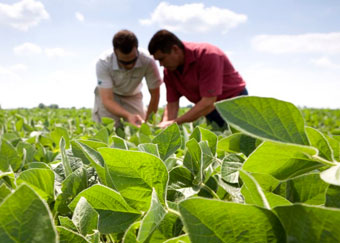
Early-stage development involves isolation and screening of microorganisms or metabolites through in vitro assays. As projects advance, validation moves to greenhouse trials using model plants or target crops to measure growth promotion, nutritional impact or resistance to pests and diseases. Field trials are later conducted across multiple geo-climatic zones to support product registration and commercial use.
Regulatory and industrial scale-up challenges
Regulation plays a central role in the development pathway. In Brazil, crop protection biologicals require prior authorization from the Ministry of Agriculture (MAPA) if the technology is new to the market. Field validation typically occurs in three distinct geo-climatic regions to demonstrate consistent performance.
Industrial production requirements also differ by product category. Crop protection biologicals must be manufactured in dedicated bioprocess lines, separate from other product types such as inoculants. This affects facility design and capital investment decisions.
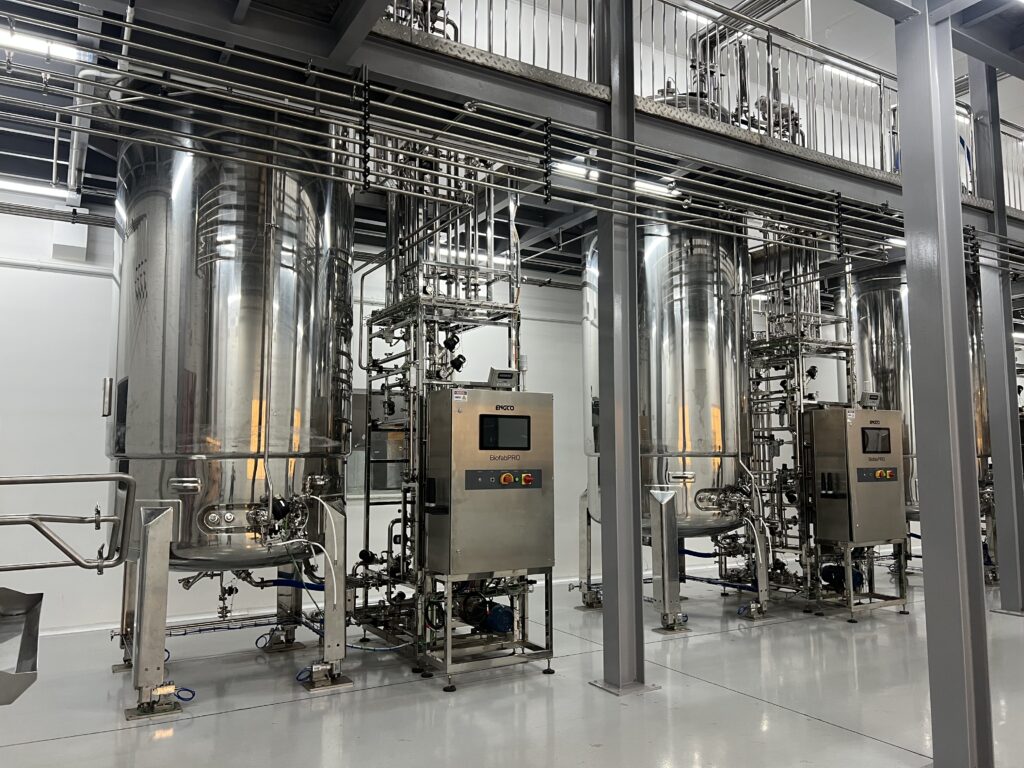
IdeeLab’s facilities in Brazil include bioreactors ranging from 100 to 5,000 liters, along with automated systems to support scale-up. The company is preparing to inaugurate a new biofactory, which will enable commercial-scale manufacturing of both live cell products and metabolite-, protein- and peptide-based technologies for clients.
Expansion plans
Looking ahead, IdeeLab plans to expand production capacity at its biofactory, attract new projects in advanced biological technologies and broaden its R&D scope into bioinsecticides and bioherbicides—segments considered underdeveloped within the biologicals market.
International expansion is also part of the strategy, primarily through licensing agreements that allow client companies to commercialize technologies in other regions.
As global agriculture faces pressure to improve sustainability and productivity, the company argues that aligning biological product development with local ecological and regulatory realities may be essential to unlocking faster innovation cycles and broader market adoption.