Can coffee grounds replace cocoa in food products?
A startup is transforming spent coffee grounds into a cocoa alternative with stable pricing and similar performance in food applications
lunes 13 de abril de 2026
Kawa Project is developing a cocoa alternative made from upcycled spent coffee grounds, aiming to reduce price volatility and offer a more stable supply for food manufacturers, according to AgFunderNews.
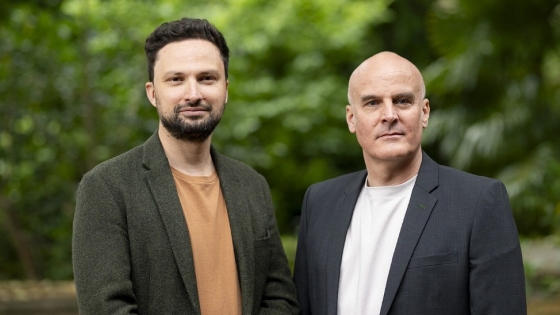
The initiative comes at a time when cocoa prices are increasingly volatile, pushing companies to explore substitutes that can ensure consistent costs and supply. Founded by Aaron Feigelman, Kawa Project focuses on turning a widely available waste product into a functional ingredient.
The process begins with stabilizing and drying used coffee grounds to very low moisture levels. From there, the material undergoes extraction to remove dominant coffee flavors while preserving roasted and slightly acidic notes that are also present in cocoa. The final step is milling the material into a fine powder comparable to industrial cocoa.
According to Feigelman, the result is a product that performs similarly to cocoa in real applications. “After our extraction and refining process for the more alkalized varieties, it is very, very similar, especially in application,” he said. While differences can be detected in raw form due to lower fat content, these become less noticeable in finished products such as baked goods.
This functional similarity is key for adoption. Food companies are not always looking to fully replace cocoa but rather to reduce exposure to supply chain risks. In many cases, manufacturers use blends of traditional cocoa and alternatives to balance cost and stability.
The economic model depends on scale. For smaller clients like bakeries or niche brands, production below one million pounds can already be viable through co-manufacturing. However, reaching large industrial players requires scaling beyond that threshold and investing in dedicated facilities.
Pricing is another critical factor. While matching cocoa prices is important, the real advantage lies in stability. Unlike cocoa, which is subject to climate and geopolitical disruptions, the raw material for Kawa Project’s product is widely available and consistent. This allows the company to offer predictable pricing over time.
Interest in alternatives tends to fluctuate with cocoa prices. When prices drop, some buyers become less engaged. However, companies with long-term strategies continue to explore substitutes to avoid future disruptions. The volatility seen in recent years has reinforced the need for diversification in sourcing.
The use of spent coffee grounds also addresses a growing sustainability challenge. In many regions, coffee waste is a cost burden for producers, who must pay for disposal or composting. In some cases, particularly in parts of Asia and South America, the waste is burned.
By converting this byproduct into a value-added ingredient, Kawa Project positions itself within the circular economy, reducing waste while creating new supply chains for the food industry.
The company has also explored partnerships and pilot programs with coffee producers and food companies to test the material in real-world applications. These collaborations help validate both the technical performance and the commercial potential of the product.
As the food industry looks for ways to balance cost, sustainability and performance, alternatives like this could play a growing role. The combination of upcycling, stable inputs and functional similarity to cocoa places coffee-based substitutes among the most promising innovations in the space.
Invertí en periodismo de calidad
En Agroempresario trabajamos para acercarte contenidos que agregan valor.