New Zealand startup Solarferm is developing a technology that converts gas into industrial sugars using a two-step process involving thermochemical conversion and engineered bacteria, aiming to reduce the cost and volatility of glucose supply for the global bioeconomy, according to information reported by AgFunderNews.
Solarferm, a New Zealand biotechnology startup, is developing a new production method that generates industrial sugars from gas instead of agricultural crops. The company seeks to provide a cheaper and more stable supply of glucose for the expanding bioeconomy.
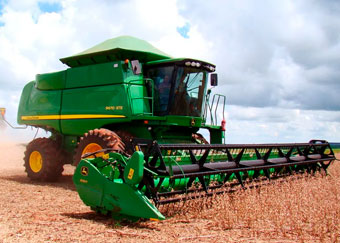
The approach is designed to address one of the key constraints in biomanufacturing: the dependence on crop-derived sugars, which are exposed to climate variability, supply shocks, and price volatility.
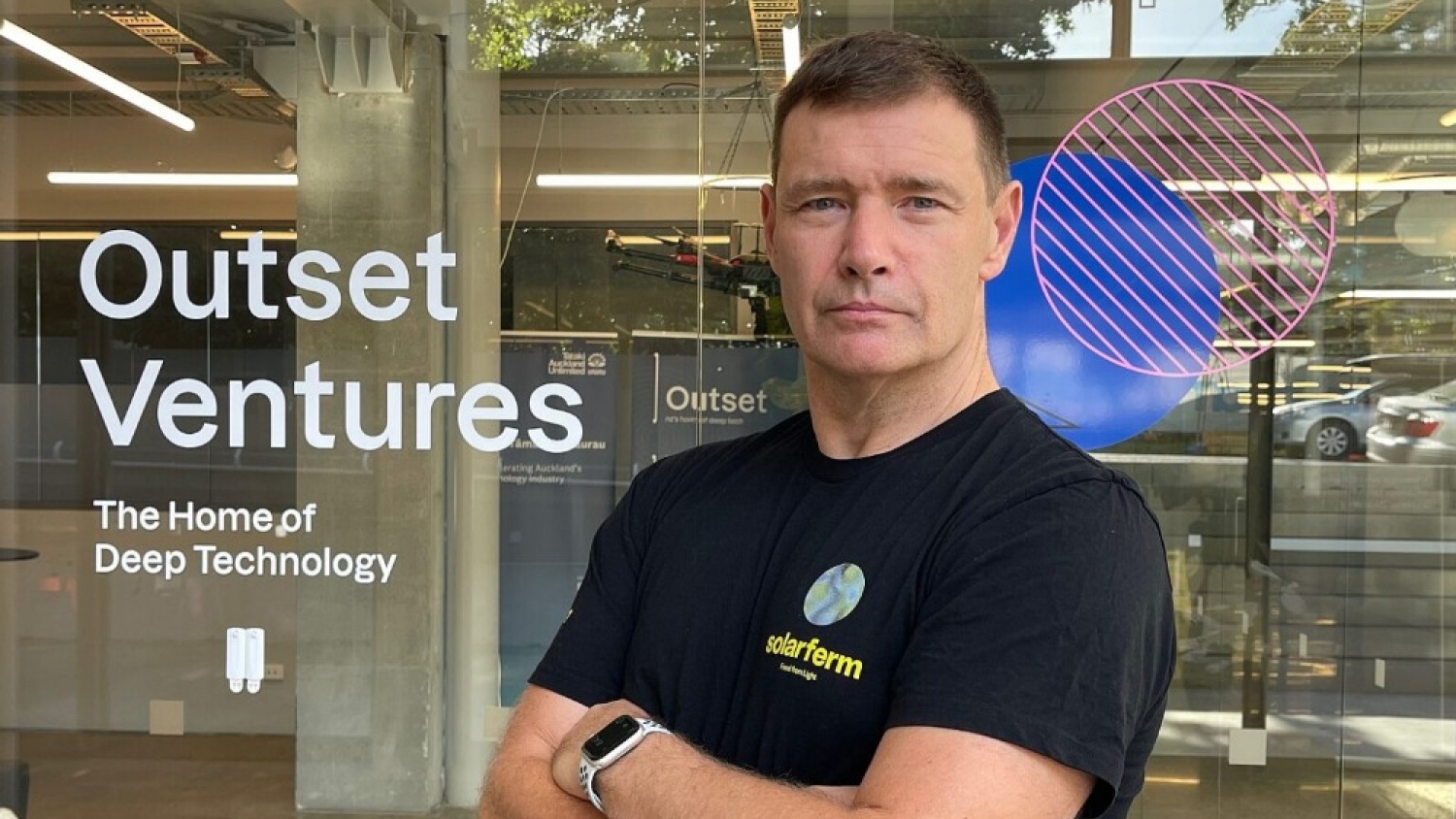
The startup was founded by scientists Gabriel James, PhD, and Tancred Frickey, PhD, and combines chemical engineering and synthetic biology to produce fermentable sugars at scale.
The process works in two main stages. First, natural gas or methane is converted into a chemical intermediate using heat and catalysts in a thermochemical reaction. Second, engineered bacteria transform that intermediate into glucose, the foundational sugar used across industrial fermentation processes.
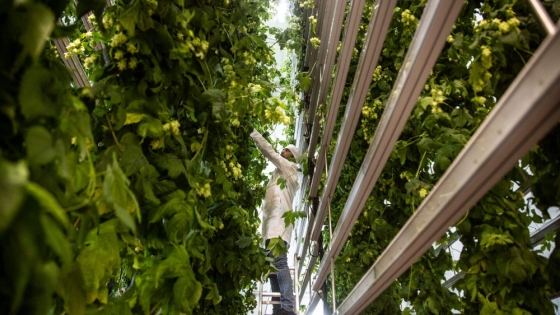
Early versions of the system use photosynthetic bacteria placed in stainless steel fermentation tanks with internal lighting. The long-term goal is to reduce or eliminate the need for artificial light, improving energy efficiency and scalability.
The company’s techno-economic models suggest that production costs could reach parity with fermentation-grade dextrose, estimated at around $550 per ton, although this depends on successful industrial-scale deployment.
Solarferm argues that sugar supply chains are vulnerable to disruption. Weather patterns linked to El Niño have previously reduced global sugar output, contributing to sharp price increases in international markets.
According to cofounder Gabriel James, the goal is to create a more resilient system for industrial sugar production. He stated: “We want to make the cheapest, cleanest sugar on the planet.”
The company positions sugar as a universal input for biomanufacturing. While alternative approaches exist, such as gas fermentation or the use of agricultural byproducts, Solarferm believes glucose remains the most flexible and widely used feedstock across the industry.
The startup is also exploring business models that integrate energy companies and industrial manufacturers. One option involves licensing technology to energy firms with existing gas infrastructure, which could build and operate production plants.
Another model focuses on co-location with fermentation facilities, enabling direct supply of glucose into manufacturing pipelines and potentially creating a closed-loop system where carbon dioxide from fermentation is reused in production.
Solarferm’s technology can also produce rare sugars such as allulose and tagatose. However, the company prioritizes glucose production first, since it serves as the biochemical foundation for more complex sugar pathways.
The startup has raised a small pre-seed round and additional non-dilutive funding to support development. It is now preparing a seed funding round as it moves toward early commercialization.
Interest from industry players is already emerging, including multinational food and dairy companies concerned about long-term feedstock security for large-scale fermentation operations.