Canada has launched a national programme worth more than $3 billion aimed at strengthening internal food supply, improving affordability, and expanding controlled agriculture systems, according to an announcement made by Prime Minister Mark Carney. The plan, introduced in 2026 in Canada, seeks to reduce dependence on external suppliers and increase resilience in the food system through investment in production, logistics, and regulation reform.
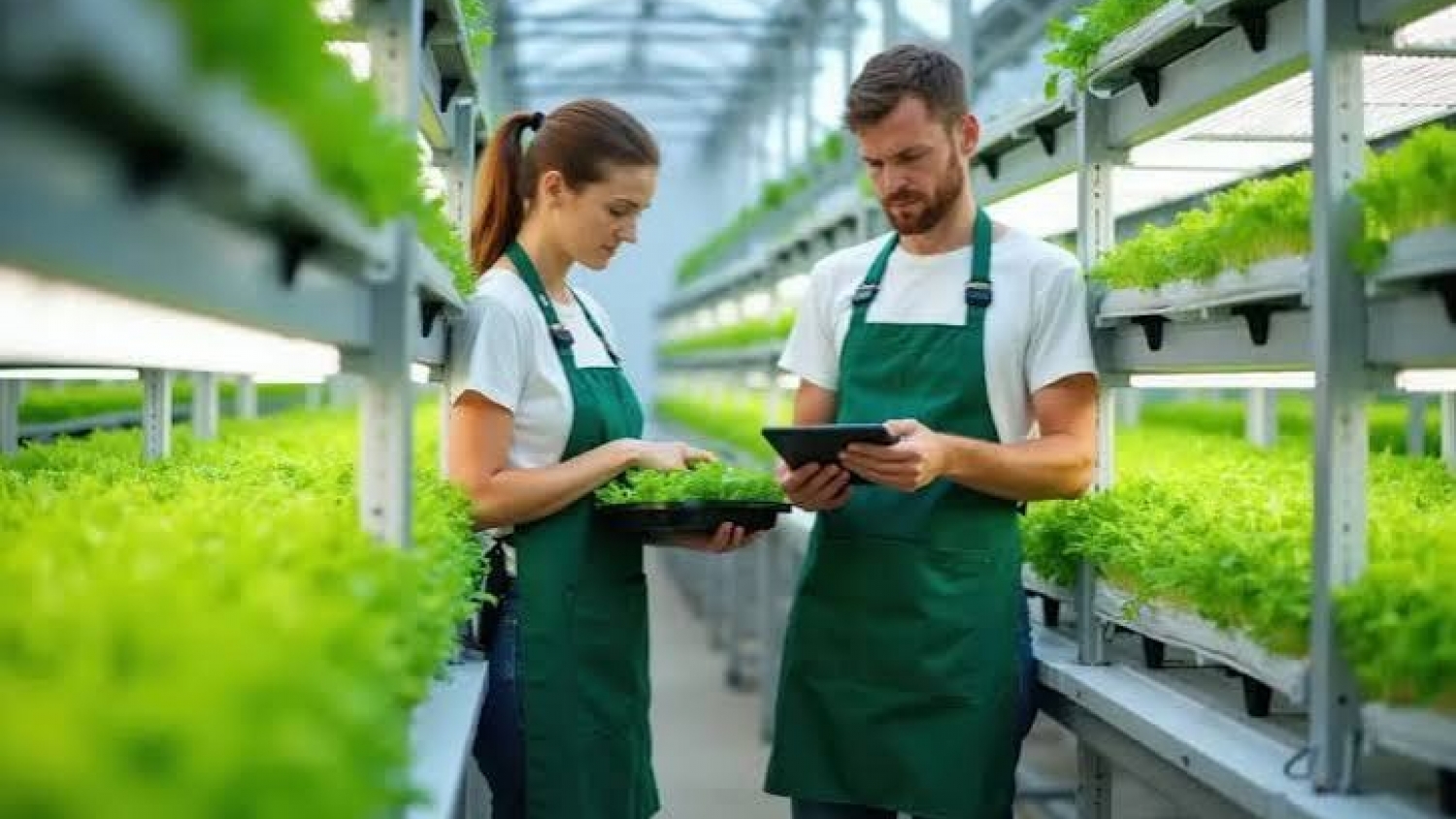
The initiative places a strong emphasis on expanding year-round production of fruits and vegetables through greenhouses, vertical farms, and other enclosed growing systems. It also introduces new financing tools for agri-food businesses, infrastructure upgrades, and regulatory changes designed to accelerate innovation and distribution across provinces.
The policy responds to rising global uncertainty linked to trade disruptions, climate volatility, and supply chain pressure, while addressing domestic challenges such as high grocery costs despite Canada’s role as a major global food exporter.
A central component of the programme is a $750 million allocation dedicated specifically to scaling year-round domestic horticulture. The measure is designed to increase local supply stability regardless of seasonal conditions, supporting controlled environment agriculture as a strategic production method.
In parallel, the government is allocating additional capital through multiple funds. These include $1 billion for agri-food financing through Farm Credit Canada to expand processing capacity, $150 million to upgrade equipment for producers and processors, and further investment to modernise distribution infrastructure and competition oversight in the grocery sector.
The strategy is structured around four main priorities: increasing competition among retailers, boosting domestic production, expanding controlled environment agriculture, and reducing regulatory barriers that slow approvals for agricultural inputs such as seeds, fertilizers, and veterinary products.
Another key element focuses on logistics and distribution improvements. New food terminals and hubs are expected to support smaller retailers by improving access to competitively priced goods, reducing dependence on dominant retail chains.
Regulatory reform is also a central pillar. The government plans to streamline approval processes across agricultural inputs and reduce internal trade friction between provinces, making it easier for food produced in one region to reach consumers in another.
The broader policy package builds on existing social and economic measures, including school food programmes, consumer support benefits, and ongoing investment rounds expected to roll out throughout 2026.