Pairwise is seeing a sharp increase in demand for CRISPR gene-editing technology as agricultural applications expand beyond corn, soybeans and other major row crops, according to information reported by AgFunderNews. The company says its Fulcrum platform now has 25 licensees covering more than 30 species, with additional deals under discussion.
The expansion reflects a broader shift in agricultural biotechnology. Gene editing is increasingly being explored in specialty crops, livestock, aquaculture, insects and microbes, opening markets that have historically received less investment in genetic research.
Ian Miller, chief operating officer at Pairwise, told AgFunderNews that the company has seen a “dramatic uptick” in licensing activity over the past 12 to 18 months.
“We’re really enthusiastic about the direction that the regulatory environment is going worldwide,” Miller said.
One factor behind the increased interest is the regulatory treatment of gene editing. Unlike traditional transgenic techniques, which introduce foreign DNA from another species, gene editing can modify an organism's existing genetic material. In a growing number of markets, this distinction can result in a simpler regulatory pathway.
The European Union is also becoming a more relevant market after adopting a new regulatory framework for plants produced using new genomic techniques.
Pairwise was founded in 2017 by agricultural biotechnology entrepreneurs Tom Adams and Haven Baker, together with CRISPR researchers Feng Zhang, David Liu and J. Keith Joung. The company has developed collaborations with major agricultural companies including Bayer and Corteva.
Its current licensing portfolio, however, extends well beyond large commodity crops.
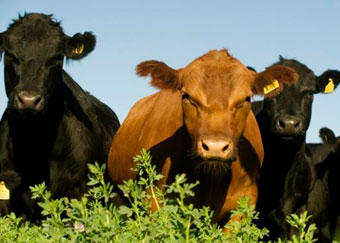
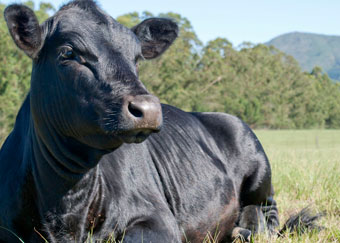
Among its projects, Agragene is using Fulcrum for sterile insects, Genus is applying the technology to animal genetics, and Australia's national science agency CSIRO has a license covering livestock, aquaculture, microbes and plants.
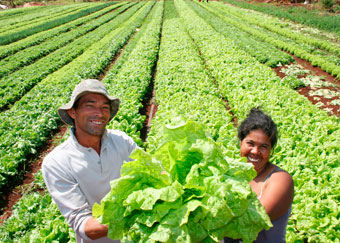
The platform is also being used in vegetable breeding, ornamental horticulture, cacao, yam, cassava, cowpea and rice.
“I think if you look at the scope of the licensees there, it can go everything from yield to disease to composition,” Miller told AgFunderNews. “We have other folks interested in biofuel.”
Pairwise says it has at least as many potential licensees in various stages of discussion as it currently has signed agreements. The company is also working with an undisclosed consumer packaged goods company.
The business model is based on offering a broad set of gene-editing tools through a single licensing arrangement. Miller described the approach as “one-stop shopping,” allowing customers to access different editing technologies without negotiating multiple separate licenses.
“You don’t have to get multiple licenses. We’re offering one-stop shopping. We license one stack, one royalty rate, which is competitive with what single licenses are charging folks in other spaces,” Miller said.
The licensing structure generally includes an upfront payment, maintenance fees and royalties if a commercial product is launched. Pairwise can also provide technology-transfer support to companies that need assistance implementing the platform.
A particularly promising area is perennial and specialty crops, where conventional breeding can take years or even decades.
Blackberries are one example. Pairwise has developed edited varieties with more compact plant architecture that can allow greater planting density, along with seedless and thornless characteristics. The company is commercializing a compact blackberry variety with Plant Sciences Genetics, while a seedless version is currently in field trials.
Pairwise is also working with Sun World International on a pitless cherry.
Miller does not expect gene editing to replace conventional breeding. Instead, he sees CRISPR as a tool that can generate precise genetic variation that breeders can subsequently use, while conventional methods remain valuable for moving large groups of genes.
The expansion into less-studied crops also presents challenges. Many of these species have considerably less genetic research behind them than corn and soybeans. Understanding which genes and genetic networks control complex traits such as drought, heat and salinity tolerance remains one of the biggest hurdles.
At the same time, Pairwise believes knowledge accumulated in better-studied crops can be applied to other species when biological mechanisms are conserved.
The company's work with the International Institute of Tropical Agriculture on yam illustrates this approach. Researchers are studying plant architecture while drawing on knowledge developed through previous work on dwarfing and compactness in other crops.
For Pairwise, the growing diversity of its licensing portfolio is evidence that the next stage of agricultural CRISPR will extend far beyond traditional row crops.
“I’m wildly enthusiastic, and I think we’re in a great spot. What the shape of our pipeline tells you is that the opportunities for CRISPR in the future aren’t just focused on corn and soy,” Miller concluded, according to AgFunderNews.