By Agroempresario.com
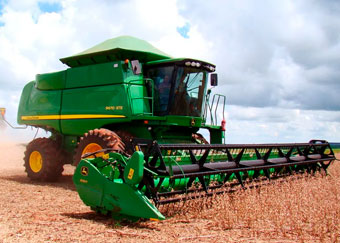
Rural roads, often winding and less maintained than urban streets, present unique challenges for the safe movement of agricultural machinery and workers. These challenges necessitate a multifaceted approach to safety, encompassing vehicle maintenance, worker training, and environmental considerations. Properly maintained machinery and vehicles are the foundation of road safety in rural areas. Regular inspections and servicing ensure that critical components like brakes, lights, and tires are in optimal condition. Moreover, the use of proper lighting and reflective markings on machinery is essential, particularly during low-light conditions or at night. Slow-moving vehicle (SMV) signs are also vital, alerting other road users to the presence of slower-moving agricultural traffic.
Worker safety is equally important, starting with comprehensive training on the safe operation of machinery and vehicles. Workers should also be equipped with personal protective equipment (PPE), such as high-visibility clothing, helmets, and safety boots, to protect them in case of accidents. Training should emphasize the importance of being aware of surroundings, including blind spots and the presence of other workers or vehicles, to prevent incidents. The condition of rural roads plays a significant role in safety. Installing clear signage to indicate farm entrances, exits, and crossings can help prevent unexpected encounters with other road users. Regular monitoring of road conditions, including checking for potholes and narrow sections, is crucial to avoid hazards. Adhering to and enforcing appropriate speed limits for both farm machinery and other vehicles also reduces the risk of accidents.
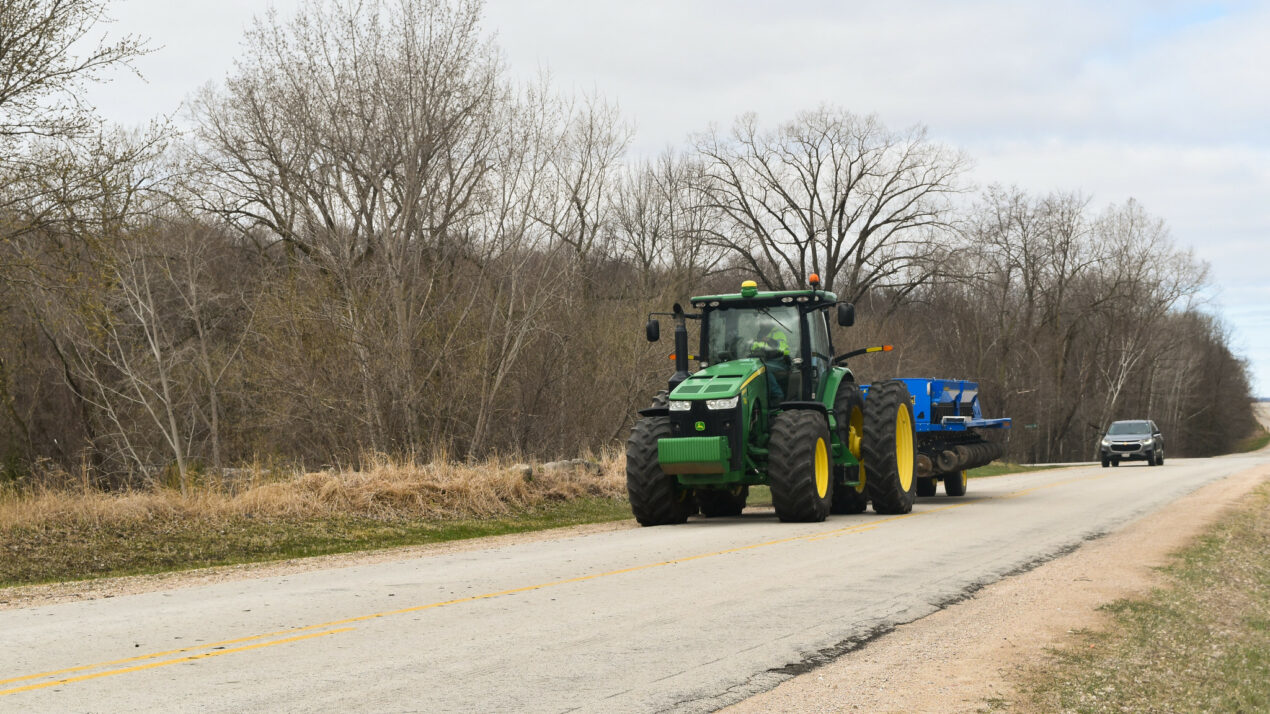
Effective communication and coordination are key to managing the movement of machinery and workers. Two-way radios or mobile communication systems can keep teams connected, particularly during field operations. Coordinating the movement of large machinery during off-peak hours can also minimize interactions with other road users, reducing the potential for accidents. Weather and time of day are additional factors that must be considered. Monitoring weather conditions and avoiding the movement of heavy machinery during adverse weather, such as fog or heavy rain, is crucial. Whenever possible, scheduling operations during daylight hours enhances visibility and safety for all parties involved.
Community and public awareness are vital components of rural road safety. Engaging with the local community and educating other road users about the presence of farm machinery can foster a culture of caution and awareness. Public safety campaigns, particularly during planting and harvesting seasons when machinery is more frequently on the move, can further raise awareness and encourage safer driving practices. By focusing on these comprehensive strategies, the risk of accidents on rural roads can be significantly mitigated, creating a safer environment for both rural workers and the general public.