By Agroempresario.com
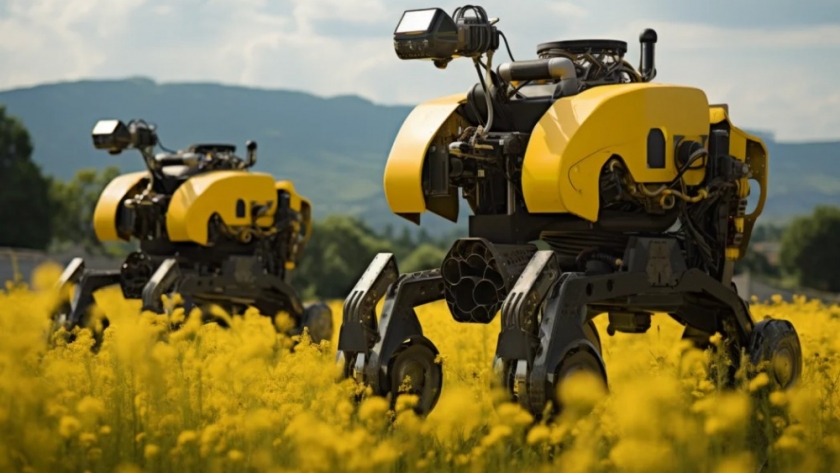
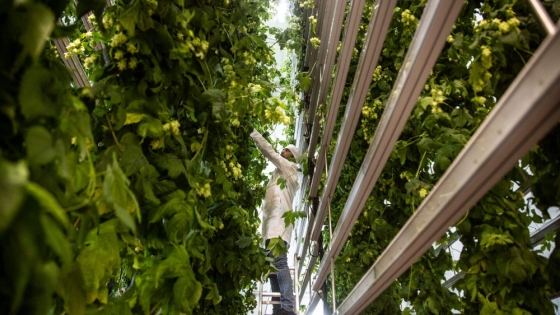
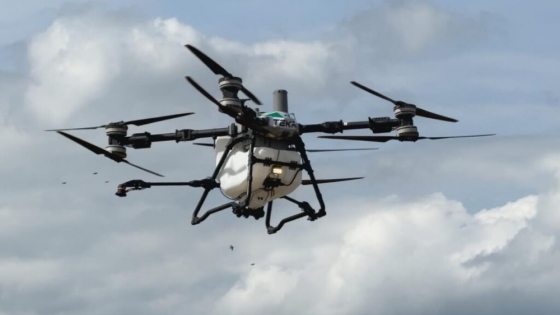
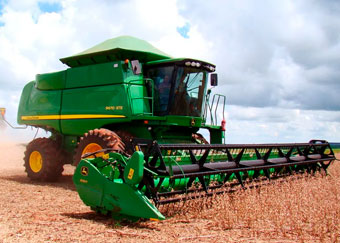
In the rapidly evolving world of agriculture, robotics is paving the way for unprecedented advancements. Autonomous vehicles, drones, robotic harvesters, and seeding and weeding robots are revolutionizing the farming landscape. These machines operate with minimal human intervention, using advanced materials, sensors, GPS, and AI algorithms to perform a variety of tasks with precision. Controlled through sophisticated software platforms and powered by batteries, solar panels, or diesel engines, these robots can plow fields, plant seeds, monitor crop health, and harvest produce more efficiently than ever before.
The benefits of robotics in farming are substantial. Robots can work tirelessly for longer hours, significantly boosting productivity. Their precision in applying inputs such as water, fertilizers, and pesticides reduces waste and minimizes environmental impact. In a sector often plagued by labor shortages, robots offer a reliable solution by taking on repetitive and labor-intensive tasks. Additionally, they provide invaluable data on crop health, soil conditions, and weather, enabling farmers to make better-informed decisions.
However, the adoption of robotic technology in farming comes with its challenges. The high initial investment required for purchasing and setting up these systems can be a major barrier, especially for small-scale farmers. Ongoing maintenance costs, the need for regular software updates, and the necessity for training operators also add to the overall expense. Moreover, the rise of robotics raises concerns about job displacement for farm laborers and the risks associated with technical failures or cyber-attacks.

Despite these disadvantages, the advantages are compelling. Robots enhance productivity by performing tasks faster and more consistently, leading to higher yields and uniform crop quality. The precision of robotic systems translates into significant environmental benefits, as inputs are applied more efficiently. The detailed data collected by these machines supports data-driven decision-making, promoting smarter farming practices.
Looking to the future, the adoption of robotics in agriculture is expected to grow as technology advances and costs decrease. Enhanced integration with IoT devices and AI will further improve decision-making and efficiency. Future robotic systems will likely offer greater customization and flexibility, catering to the specific needs of various farms and crops. Collaborative robots, or cobots, will emerge to work alongside humans, enhancing their capabilities rather than replacing them. Moreover, robotics will play a critical role in sustainable farming practices, helping to address global challenges such as climate change and resource scarcity.
In conclusion, robotics is transforming agriculture by increasing efficiency, precision, and sustainability. While the initial costs and technical challenges may pose barriers, the long-term benefits and technological advancements promise a future where robotics is integral to global food production.