A recent decision by the US Federal Communications Commission (FCC) is triggering a profound transformation in the agricultural spray drone market, forcing manufacturers to accelerate domestic production while reshaping global supply chains. The ruling, issued on December 22, places all newly authorized foreign-made drones and critical components on a restricted list, citing national security concerns. The measure is already redefining competition in a sector long dominated by overseas suppliers, particularly Chinese manufacturers. The developments were reported by AgFunderNews, which analyzed the regulatory impact on the agtech ecosystem.
The decision adds all new foreign-manufactured drones and essential components—including motors, batteries, navigation systems, flight controllers, and sensors—to the FCC’s “covered list” of equipment deemed to pose an unacceptable security risk. As a result, new drone models or parts manufactured outside the United States can no longer receive FCC authorization, a prerequisite for commercial deployment.
While the ruling does not affect foreign-made drones that were already authorized prior to December 22, it effectively blocks future upgrades and next-generation platforms from entering the US market. According to industry estimates cited by AgFunderNews, roughly 80% of agricultural spray drones used by US farmers were produced by DJI, highlighting the scale of disruption the policy could create.
A temporary reprieve for existing fleets
The FCC clarified in early January that drones already approved before the cutoff date may continue operating and receiving software and firmware updates until at least January 1, 2027. This carve-out prevents an immediate supply shock and allows farmers to maintain their current operations in the short term.
However, the long-term implications are more complex. Agricultural drone technology evolves rapidly, with manufacturers typically launching new platforms and hardware upgrades on an annual basis. Blocking future authorizations places foreign suppliers at a structural disadvantage and opens the door for US-based companies to expand production and capture market share.
According to FCC Chairman Brendan Carr, the agency intends to work with domestic manufacturers to “unleash American drone dominance,” signaling a broader industrial policy shift toward local production.
Domestic manufacturers move quickly
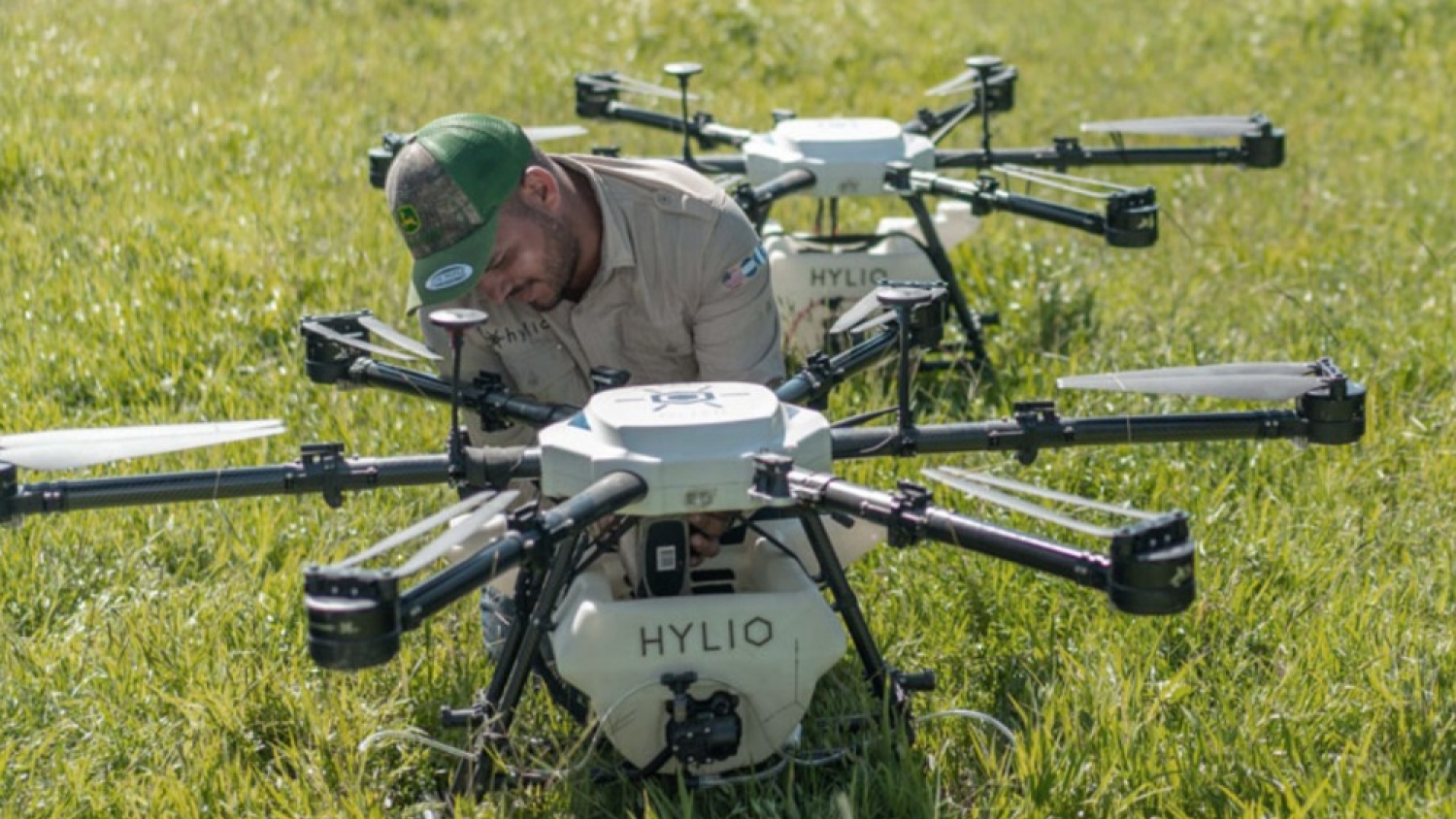
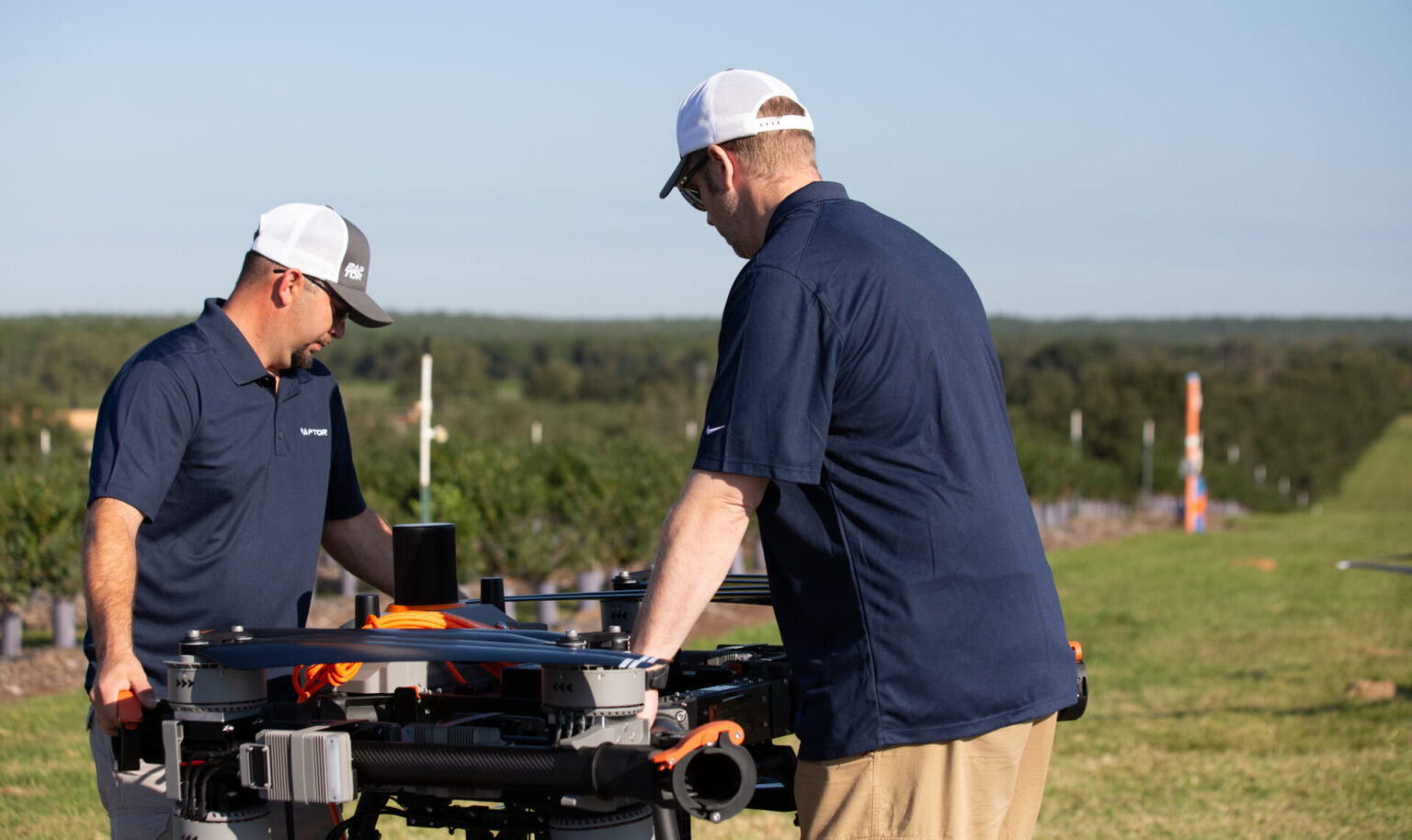
US-based drone makers are already responding. Companies such as Hylio in Texas and Ceres Air in Vermont are ramping up production capacity to meet rising demand from growers seeking compliant, US-manufactured alternatives.
Hylio, which assembles agricultural spray drones domestically and positions itself as a “Made in America” supplier, has accelerated manufacturing following the FCC decision. The company integrates proprietary software with precision agriculture tools, including spot spraying, swarm control, and automated regulatory reporting.
According to figures cited by AgFunderNews, Hylio reported revenues of nearly $13 million in 2025 and plans to significantly expand output in 2026. The firm is also increasing fundraising efforts to support higher production volumes.
Ceres Air, meanwhile, has begun US manufacturing of its Black Betty drone line, using proprietary software and redesigned hardware tailored to American farming conditions. While some design elements originated from overseas platforms, the company has localized production and data infrastructure to comply with US regulations.
Supply chain bottlenecks remain
Despite the momentum, significant challenges persist. Industry executives told AgFunderNews that sourcing critical components domestically—particularly batteries, motors, and LiDAR systems—cannot happen overnight.
While the US has advanced manufacturing capabilities, scaling production of these components will take time and capital investment. Some companies are expected to apply for temporary waivers, allowing them to import certain parts while transitioning to domestic suppliers.
The FCC has established a process for conditional approvals and exemptions, particularly for companies demonstrating a clear roadmap toward US-based manufacturing. Drones that qualify as “domestic end products” under Buy American standards may also receive temporary exemptions through early 2027.
Foreign firms explore partnerships
The regulatory shift is also prompting foreign manufacturers to rethink their US strategies. Rather than exiting the market, some companies are exploring licensing agreements, joint ventures, or US-based assembly partnerships to maintain access.
Dealers and service providers that previously relied heavily on Chinese-made drones are now working to establish domestic production lines under license. According to AgFunderNews, these hybrid models could play a key role during the transition period, allowing US firms to meet demand while domestic supply chains mature.
DJI, the global market leader, has stated that it remains committed to the US market, although it has not announced plans to manufacture drones domestically. The company has criticized the FCC decision as lacking evidentiary grounding and noted that exemption requests remain an option under the new rules.
Implications for farmers and innovation
In the short term, farmers will continue operating existing fleets without disruption. However, analysts warn that innovation could slow as foreign manufacturers are blocked from introducing new hardware and sensors in the US.
This pause could place American growers at a disadvantage compared with competitors abroad who retain access to the latest drone technologies. Over time, however, proponents argue that increased domestic investment will strengthen the US agtech ecosystem, improve data security, and create new manufacturing jobs.
As AgFunderNews notes, the FCC ruling marks a turning point for agricultural drones in the United States. What began as a regulatory intervention is now acting as a catalyst for industrial restructuring—one that could permanently alter how agricultural technology is designed, built, and deployed across the country.