IntegriCulture, a Tokyo-based startup supplying infrastructure for cellular agriculture, reported a net profit for the fiscal year ending in September 2025, becoming one of the first companies in the sector to reach profitability. Founded and led by Dr. Yuki Hanyu, the company achieved positive results by expanding beyond cultivated meat into cosmetics, research services and biomanufacturing tools, at a time when the alternative protein industry faces tightening capital conditions.
According to information reported by AgFunderNews, the company closed the year with a net profit of JPY 40 million, supported by revenue from non-food applications and contract research services, while continuing to develop cost-reduction technologies for cultivated meat production. The performance comes amid a broader slowdown in global investment in cellular agriculture.
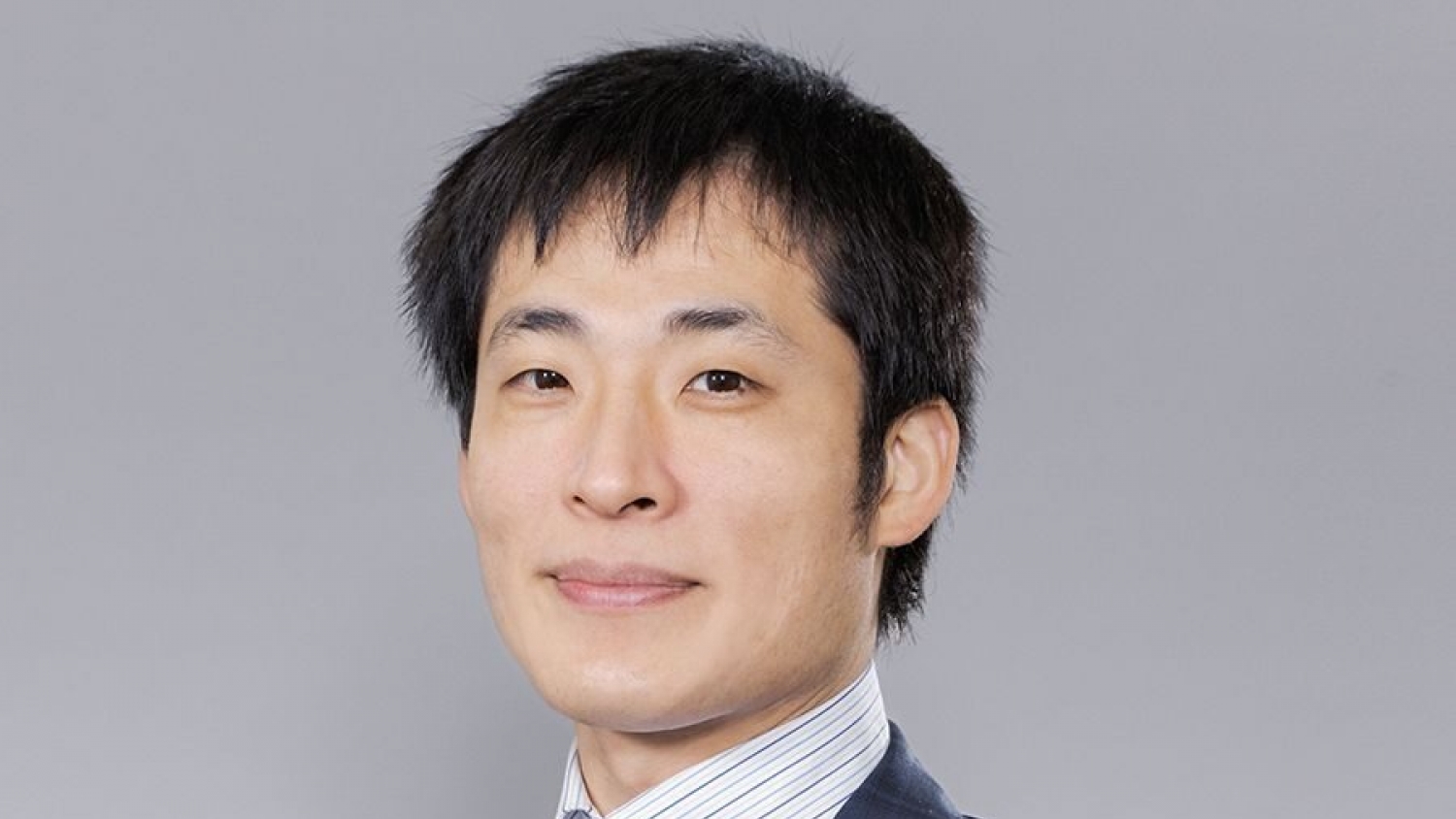
“Startup activity in cell ag isn’t big in Japan yet,” said Yuki Hanyu, cofounder and CEO of IntegriCulture. “So we’re financing ourselves from two fronts: revenue from non-food applications—mainly cosmetics—and supplies and CRO services for startups and non-food sector players.”
Founded as a “picks and shovels” provider for the cultivated meat sector, IntegriCulture positions itself as a full-stack infrastructure company, working on cell culture media, scaffolds, and low-cost bioreactors. Its business model focuses on supporting other players rather than developing end products, allowing it to generate cash flow while the broader market matures.
“We are a supplier-CRO that is evolving into a CRDMO,” Hanyu explained. “We support all players in cellular agriculture—small and big—with materials, equipment and know-how. We have officially settled at a positive net profit.”
Capital intensity remains a major hurdle
Despite the financial milestone, Hanyu cautioned that the sector’s long-term prospects remain constrained by high capital requirements. “As long as cellular agriculture remains capital intensive, it will be very difficult to take off,” he said, emphasizing the need for incremental, collaborative progress rather than rapid scaling.
Instead of investing in large, traditional bioreactors commonly used in biopharmaceutical manufacturing, IntegriCulture is prioritizing smaller, modular systems designed specifically for cellular agriculture. “Under this strategy, we are entirely skipping large stir tank bioreactors,” Hanyu noted, pointing to alternative designs such as packed-bed systems, where cells grow attached to surfaces rather than in suspension.
The company is pursuing both scale-up and scale-out engineering approaches. Scale-up efforts are supported by Japan’s SBIR program, while scale-out development is being conducted in partnership with Sumitomo Riko, a Japanese industrial materials company. Together, they developed the Oxy-thru Cultivator, a low-cost bioreactor that operates without active oxygen infusion.
“Scale-up or scale-out engineering remains an issue,” said Hanyu, adding that rapid hardware prototyping is essential as the industry progresses.
CulNet and the push to lower media costs
One of IntegriCulture’s core technological innovations is CulNet, a system designed to reduce the cost of cell culture media, one of the biggest expense drivers in cultivated meat production. Rather than producing individual growth factors through microbial fermentation, CulNet uses interconnected chambers of living cells that naturally secrete proteins and metabolites.
“CulNet technology continuously generates cell-cultured serum that can supply the product bioreactor where meat, liver or whatever target cells grow,” said Hanyu. “Since the use of CulNet eliminates the need to make the media composition a trade secret, we think it has the potential to win consumer trust.”
The system avoids genetic modification and complex downstream processing, two factors that often increase regulatory and production costs. According to the company, newer versions of CulNet hardware are already designed for commercial-scale production, with future iterations expected to become smaller and more automated.
Cosmetics drive near-term revenue
While cultivated meat remains a long-term focus, cosmetics have emerged as a key revenue engine. IntegriCulture has developed Cellament, a conditioned medium derived from early-stage avian cells, which is used as an ingredient in premium skincare products.
Clients include Euglena, Epolar, Fabius, and Oppen Cosmetics, with particular interest coming from emerging K-beauty brands. “Compared to stem cell serum or animal placenta extracts, Cellament has comparable to superior skincare benefits,” said Hanyu, citing safety, supply stability and ease of formulation.
To differentiate these products in the market, the company is launching a Cell-Ag open brand, aiming to establish “Cell-Ag Cosmetics” as a distinct category alongside plant-based and animal-based products.
Regulatory outlook in Japan
On the regulatory front, IntegriCulture is working with the Japan Association for Cellular Agriculture (JACA) to engage policymakers on cultivated meat guidelines. While a regulatory framework was expected in early 2026, Hanyu acknowledged delays.
“The regulatory and political environment in Japan is mixed,” he said. However, foodtech and biomanufacturing remain among the government’s strategic priorities, alongside AI and space technology. To avoid political friction, the company presents itself primarily as a biomanufacturer rather than a disruptive force in agriculture.
As global investment in alternative proteins remains cautious, IntegriCulture’s path to profitability highlights a potential survival strategy for deeptech startups: diversify early, control costs, and build enabling infrastructure while the market catches up.