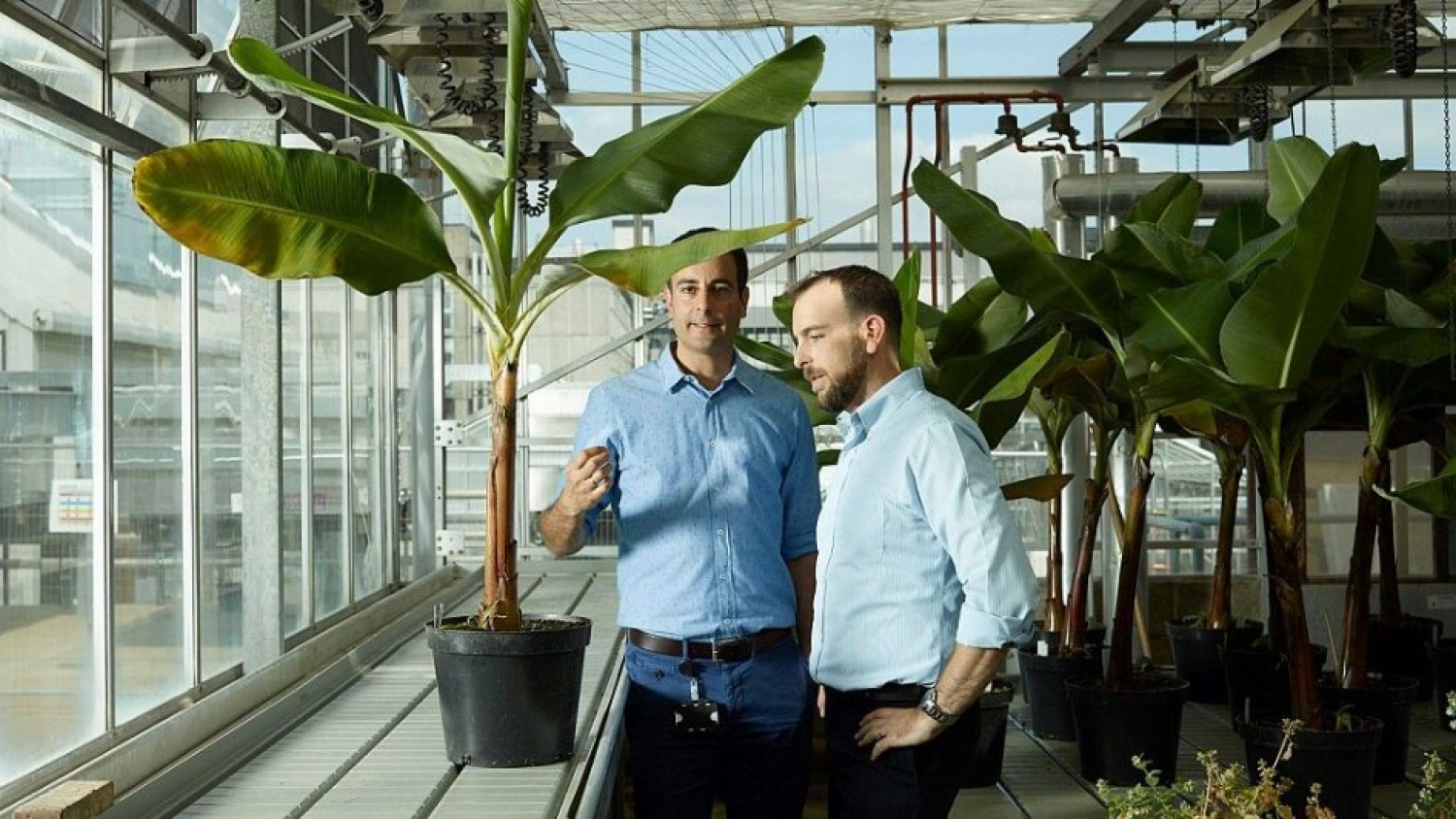
Plant biotechnology company Tropic has raised $105 million in a Series C funding round to expand the commercialization of gene-edited bananas, including varieties that resist browning and have a longer shelf life. The investment will also support the development and future deployment of Cavendish bananas resistant to the devastating TR4 fungal disease, with commercial rollout expected from 2027, according to AgFunderNews.
The company, based in the United Kingdom, said the new capital will allow it to scale large-scale plant production, strengthen commercial partnerships and accelerate its pipeline of genetically improved crops. The funding round was led by Forbion Bioeconomy Fund and Corteva, with participation from investors including IQ Capital, Just Climate, ABN Amro, Invest International, Temasek, Five Seasons Ventures, Aliment Capital, Sucden Ventures, Genoa Ventures, and Polaris Partners.
According to Tropic’s leadership, the latest investment marks a key milestone for the company’s technology platform and its commercial ambitions in global agriculture.
“2025 proved that our technology delivers, not in the distant future, but right now,” said Gilad Gershon, CEO of Tropic.

New banana varieties targeting food waste and logistics
Among Tropic’s first commercial innovations are non-browning bananas and bananas with an extended shelf life, both developed using CRISPR-based gene-editing tools. The company says these traits could open new markets for fresh-cut fruit products while reducing food waste and improving supply chain efficiency.
The non-browning variety maintains the same flavor, aroma and sweetness as conventional bananas but remains visually fresh for much longer after being cut. This is achieved by disabling the gene responsible for producing polyphenol oxidase, an enzyme that triggers the browning process in fruit.
By preventing rapid discoloration, the innovation allows bananas to be incorporated into fruit salads and ready-to-eat products, a segment where the fruit has historically been difficult to use because of its rapid oxidation.
Tropic has already received regulatory approvals for these bananas in the Philippines, Colombia, Honduras, the United States and Canada, and additional markets are expected to follow.
Longer shelf life to reduce costs and expand exports
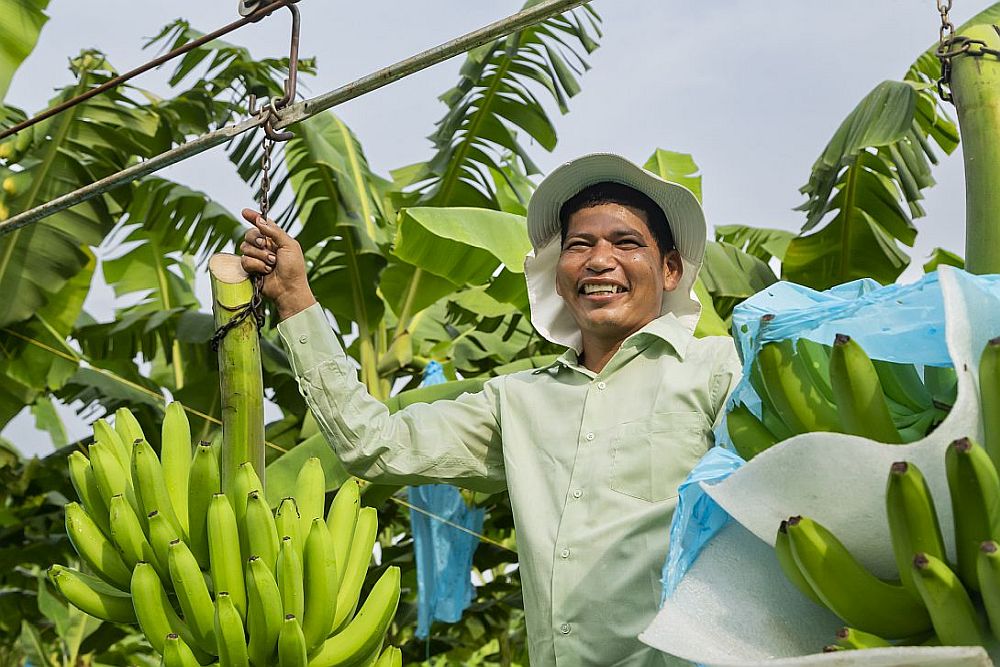
The company has also engineered bananas with a longer shelf life, designed to slow the ripening process. The technology works by disabling genes linked to the production of ethylene, a plant hormone responsible for triggering ripening.
Ethylene activates several biological processes in fruit, including starch conversion into sugar, cell wall softening and the color change from green to yellow. By moderating this process, Tropic’s gene-edited bananas can remain green for a longer period.
According to Gershon, the innovation can provide up to 10 additional days of shelf life, a time extension that could significantly impact global banana logistics.
“Demand already exceeds supply,” the CEO said, adding that the extended shelf life allows producers to harvest later, ship fruit over longer distances and reduce packaging and refrigerated transportation costs.
A technological response to TR4 disease
Beyond shelf life and post-harvest improvements, Tropic is also working on what could become one of its most disruptive developments: bananas resistant to fusarium wilt, also known as TR4.
The fungal disease has spread across major banana-producing regions, including Asia Pacific, Africa and South America, affecting crops in countries such as Colombia, Peru and Venezuela. The disease is widely considered one of the most serious threats to the global Cavendish banana industry, which represents a multibillion-dollar market.
To address the challenge, Tropic is applying its proprietary Gene Editing Induced Gene Silencing (GEiGS) technology. The system activates natural RNA interference mechanisms within plants to silence genes associated with pathogens such as fungi and viruses.
Instead of editing protein-coding genes directly, the platform modifies non-coding genetic sequences that regulate other genes. This allows researchers to control gene expression more precisely and target biological processes that influence disease resistance.
“In the case of TR4, we’re redirecting a banana non-coding RNA to attack a gene within the fusarium strain causing the disease,” Gershon explained.
The technology allows scientists to adjust gene expression rather than simply switching genes on or off. This more targeted approach can also focus changes on specific plant tissues, such as roots or fruit, reducing potential unintended effects.
Expanding applications across agriculture
Tropic’s GEiGS platform has potential applications beyond bananas. The company has already licensed the technology to several partners in the agriculture and biotechnology sectors.
Among them is Corteva, which is exploring the platform to develop disease resistance traits in corn and soybean. Other collaborations include work with British Sugar to improve sugar beet resilience and with Genus to address livestock disease challenges.
Investors believe the technology could play a significant role in addressing biological threats to global food production.
“Tropic’s gene-editing platform addresses crops that have been essentially unimprovable through conventional breeding, and the results speak for themselves,” said Alex Wilson of IQ Capital.
He added that the spread of TR4 has intensified the urgency for new solutions in the banana sector.
“With TR4 posing an existential threat to a $25bn industry, the urgency behind Tropic’s pipeline is only growing,” Wilson said.
As the company expands its production capacity and advances regulatory approvals, Tropic aims to move its TR4-resistant bananas into commercial deployment starting in 2027, a step that could reshape disease management strategies in one of the world’s most widely consumed fruits.