India is accelerating the deployment of artificial intelligence in agriculture in 2026, combining government incentives, global tech investment and homegrown startups to reach millions of smallholder farmers, as reported by AgFunderNews. Ranked just behind the United States and China in Stanford’s Global AI Vibrancy Index, the country is positioning itself as the world’s “AI back office” while tailoring solutions to the realities of fragmented farms and limited rural infrastructure.
Earlier this month, Finance Minister Nirmala Sitharaman unveiled a 20-year tax holiday that will offer zero taxes through 2047 for global AI workloads, a move designed to attract hyperscale infrastructure and data operations. Major technology companies have already expanded their footprint: Amazon committed $35 billion to Indian cloud operations, Microsoft pledged $17.5 billion for a hyperscale region centered in Hyderabad, and Google invested $15 billion in an AI hub in Vizag.
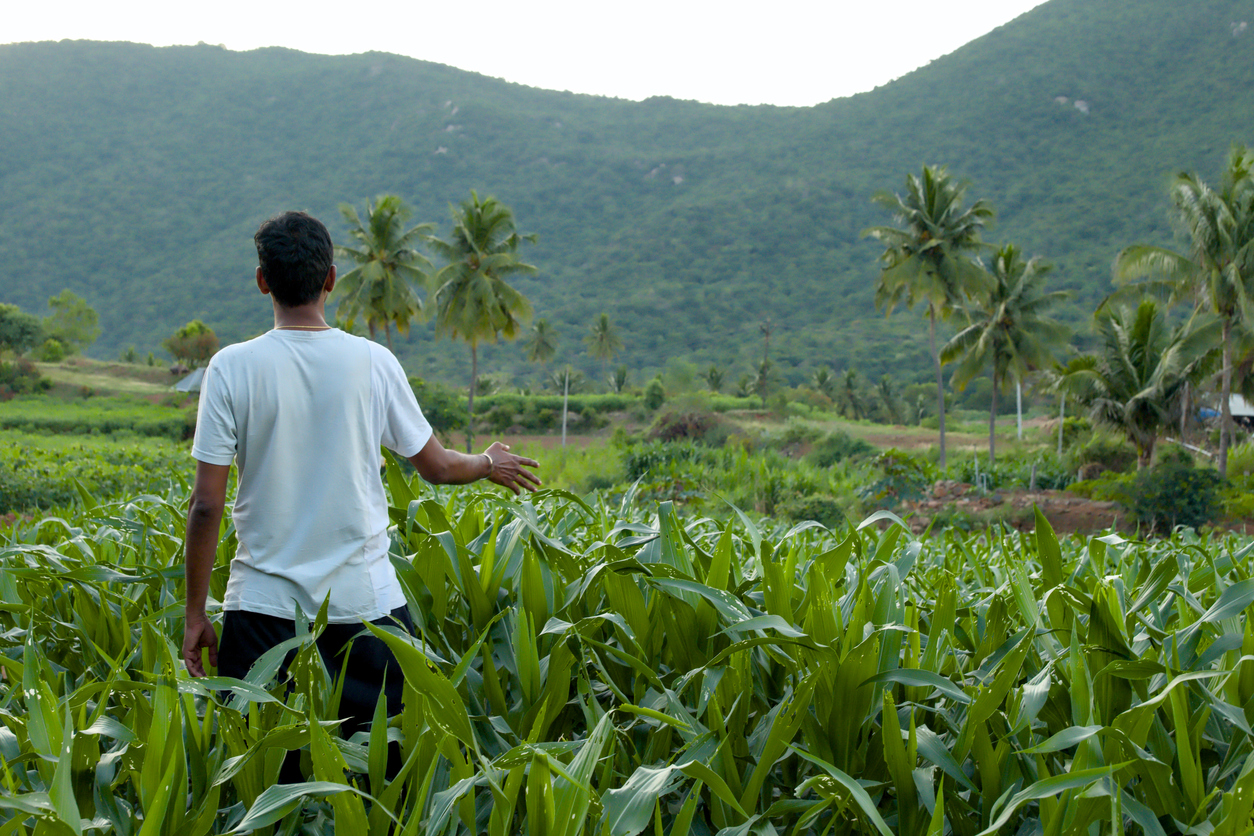
While global players are building infrastructure, agricultural applications are increasingly developed within India. In late January, the government launched Bharat-VISTAAR, a multilingual AI advisory tool for farmers. The platform integrates AgriStack’s digitized farm records with validated practices from the Indian Council of Agricultural Research (ICAR). Its objective is to improve productivity, strengthen decision-making and reduce production risk.
Structural barriers to AI adoption
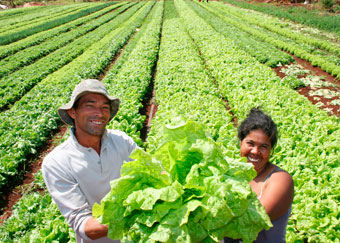
Despite the momentum, adoption remains uneven. According to a 2025 World Economic Forum report cited by AgFunderNews, Indian agriculture faces “numerous obstacles, including fragmented infrastructure, limited access to high-quality data and affordability concerns for smallholder farmers.” Around 86% of farms operate on two hectares or less, and average annual farmer income stands near $1,500.
Small landholdings constrain mechanization and scalability, limiting surplus and profitability. Access to institutional credit, storage and market intelligence is also uneven. Infrastructure gaps add further complexity: AI data centers require significantly more energy and water than conventional facilities, resources that are already under pressure in rural regions.
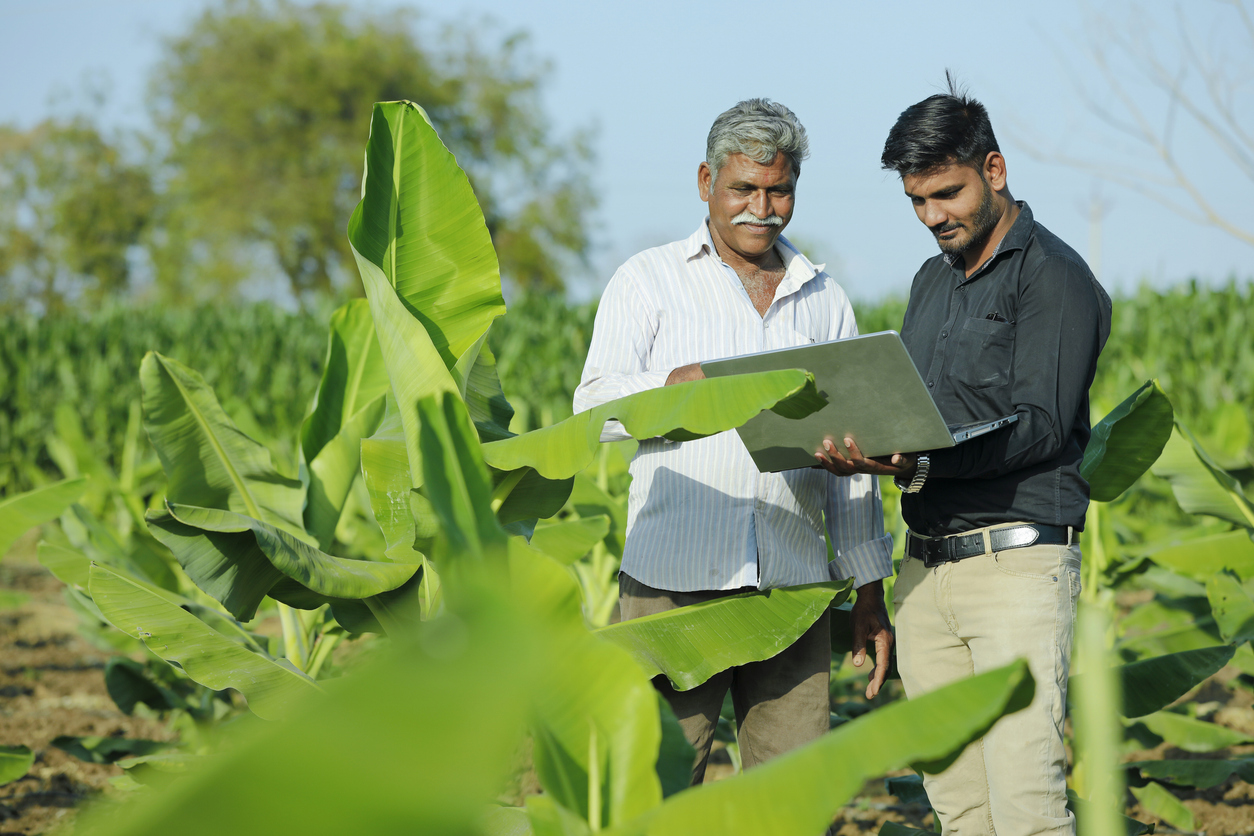
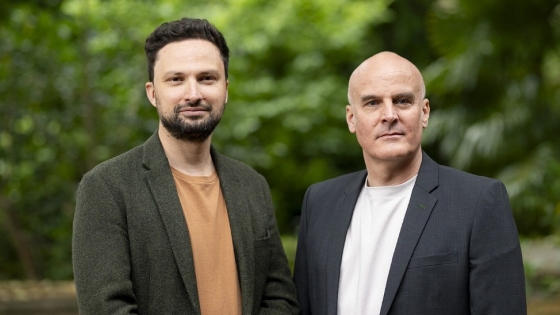
These constraints have forced startups to rethink their business models. Seamus Tardif, cofounder and CRO of Myca, told AgFunderNews, “Monetizing farmers in the global south is next to impossible to do.” Rather than selling directly to farmers, Myca works with agribusinesses that already serve them, using AI to optimize field teams and allocate advisors more efficiently.
The company’s system analyzes sales data, crop calendars and local climate variables to improve workforce distribution. Its credit platform, Watchman, applies machine learning to shift from seasonal scoring toward transaction-based credit assessment, incorporating field-level insights to reduce financial exposure.
Closing the vernacular gap
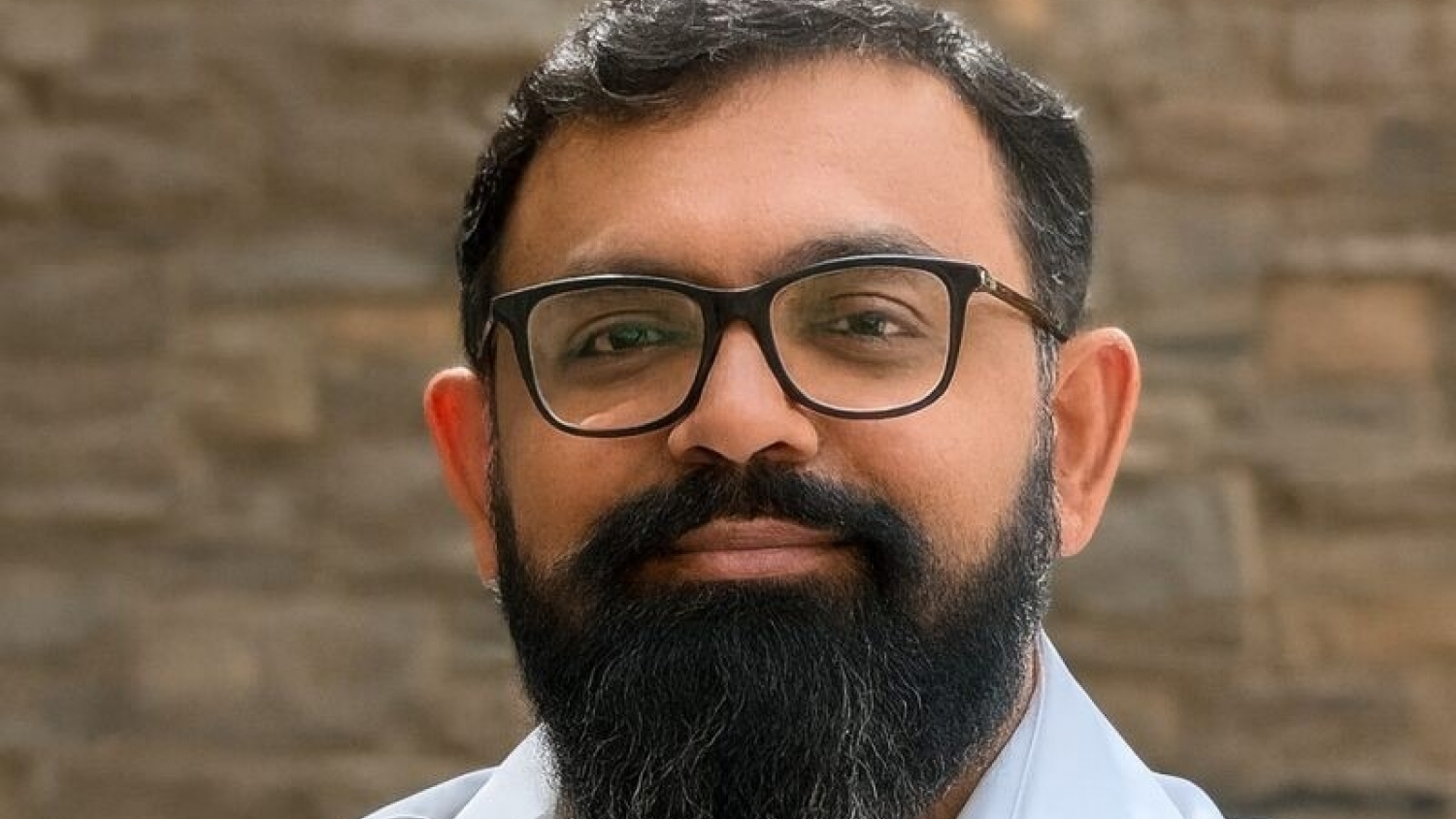
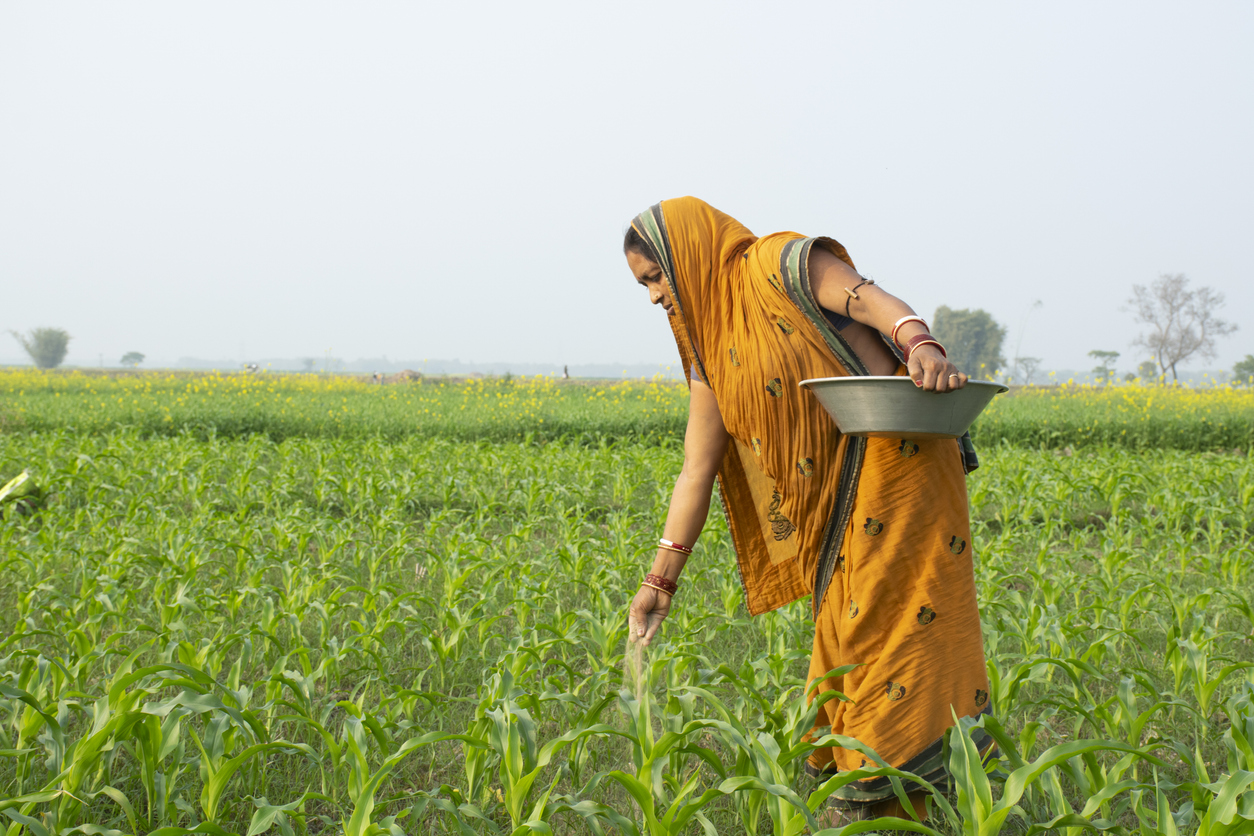
Another major barrier is language. Dr. Pratik Desai, cofounder of KissanAI, identified what he calls the “vernacular gap” in digital agriculture. His team launched a voice-based AI copilot in early 2023 that allows farmers to interact in their native languages. The interface reduces literacy barriers and adapts to regional measurement systems and terminology.
“Suddenly, the farmers were coming to us organically,” Desai told AgFunderNews. “Within a few months, we got 100,000 farmers using the app, and that was unprecedented. The interface was simple. Click a button, start talking in your language, and it will reply back.”
KissanAI also works with companies such as Bayer, integrating its technology into advisory systems that provide product recommendations and dosage guidance. By grounding AI models in agriculture-specific knowledge bases, the system interprets context and workflow nuances that generic models might miss.
Data availability remains a bottleneck. Rhishi Pethe, managing partner at Metal Dog Labs, noted that agricultural data in India is often scattered, poorly documented or stored in non-digital formats. He told AgFunderNews, “Having the data available to train any AI or Gen AI model is always a challenge in India. It’s all over the place, a lot of it is not documented well, or it’s in PDFs and so on.”
The shift toward Small Language Models
To improve efficiency and reduce costs, some organizations are turning to Small Language Models (SLMs) instead of large, general-purpose systems. Digital Green’s FarmerChat app uses smaller, fine-tuned models such as Gemma and GPT-4o mini to answer recurring seasonal questions. Founder Rikin Gandhi explained that the predictable nature of farmers’ queries makes specialized models more practical and affordable.
This modular approach has reduced operational costs and latency compared to larger systems. As a nonprofit, Digital Green also shares datasets openly, aiming to lower duplication and foster broader ecosystem development.

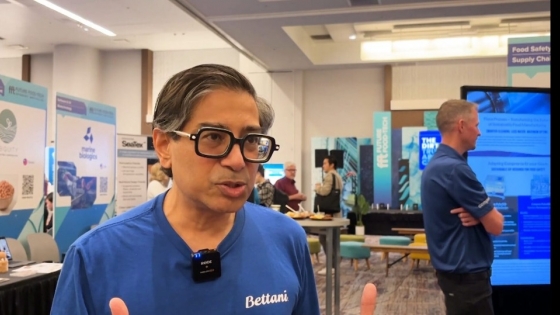
Despite rising investment and international recognition, digital adoption in Indian agriculture remains near 20%, according to AgFunderNews. Mark Kahn, managing partner at Omnivore, said the rollout is uneven. “It’s still very early days,” he told the outlet. “AI adoption is not even. Some agribusiness companies are trying to build their own solutions, and others are working with the largest players in the world. And there are some trying to work with these smaller players.”
India’s AI trajectory in agriculture is therefore less about building the largest models and more about practical deployment. As AgFunderNews reports, the decisive factor will not be model size but whether AI tools can function reliably in fields marked by small plots, diverse languages and limited infrastructure.