Whole Foods Market has accepted the Soil Climate Initiative (SCI) certification on its shelves in the United States and Canada, becoming the fifth regenerative agriculture standard recognized by the retailer. The decision, reported by AgFunderNews, expands pathways for farmers seeking regenerative verification and signals a more inclusive approach to soil health standards across North America.
SCI, a nonprofit branch of the Soil Climate Alliance network, focuses on helping farmers transition to regenerative practices before they pursue formal certification. The move is relevant as regenerative agriculture continues to gain traction among retailers and brands seeking measurable improvements in soil health and climate resilience.
A transition-first model
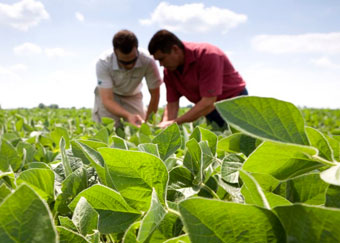
Unlike some certification programs that concentrate primarily on audits, SCI began as a farmer transition initiative. According to Jeff Bos, chief growth and impact officer at SCI, many producers face economic and technical barriers when moving away from conventional agriculture.
“[SCI] started as a transition program to help farmers identify what they need and provide support and services to start the journey wherever they were,” Bos told AgFunderNews.
He emphasized that the organization builds long-term relationships with growers. “It’s a full transition program. We don’t just show up at the door with pens and our clipboards and ask what [farmers] are doing. We have deep relationships with our farmers, and an over 99% retention of farmers in our program.”
SCI provides agronomic guidance, soil testing, and technical support. However, it does not conduct the final certification audit. That responsibility lies with SCS Global Services, an independent third-party certifier.
“A true third-party certification program, like ours or like the ROC [Regenerative-Organic Certified], means there’s a separation between the evaluators and those working to bring the farmers towards certification. Without third-party certification, there is a danger of greenwashing,” Bos said.
He added: “But we’re not the ones evaluating that work and saying they are certified. We have a separate certified entity that’s deeply respected across the space and comes in and does an independent verification.”
Whole Foods’ soil health framework
Whole Foods bases its regenerative standards on five core soil health principles: continuous ground cover, minimizing soil disturbance, building biodiversity, maintaining living roots, and integrating livestock.
“When we’re looking at regenerative agriculture, we’re using that framework as a basis for our understanding of it,” said Ann Marie Hourigan, executive leader for quality standards at Whole Foods.
With SCI’s inclusion, Whole Foods now recognizes five certifications: Regenerative Organic Certified (ROC), Regenefied, Ecological Outcome Verified, Certified by a Greener World, and Soil Climate Initiative.
ROC requires an organic baseline, while others—including SCI—do not. Hourigan suggested that this diversity allows more farmers to participate.
“We’re big supporters of the organic industry, but there’s more than one way to meet farmers where they are and encourage them to progress over time. As long as there are metrics in place to show improvement, and those five soil health principles are being addressed, it’s more about regenerating the soil and showing that improvement over time.”
Regional diversity and industry impact
SCI argues that regenerative agriculture must reflect regional realities. In North America, farming conditions vary widely. The organization operates programs such as regenerative rice cultivation in the Mississippi Delta, where humidity and pest pressure complicate organic production.
“We need diversity. We have millions of acres [in North America], and we have farmers in very different regions facing different climactic disruptions,” Bos said.
He described Whole Foods’ decision as a turning point. “Whole Foods has been bold enough to step forward and say that regenerative, from their standpoint, needs to be more inclusive than just being based on organic,” he noted.
“Whole Foods is actually playing the gatekeeper, saying to the industry, ‘These are the highest quality standards that make sense, that we’re going to recognize and allow on our shelves.'”
SCI currently works with a broad range of producers, from conventional row crop farmers in Iowa exploring generational transitions to organic growers seeking to deepen soil health practices, as well as regenerative organic farmers serving as mentors.
As regenerative agriculture gains commercial importance, retailers’ recognition of multiple standards may shape how the sector balances scientific rigor, farmer inclusion, and supply chain credibility.