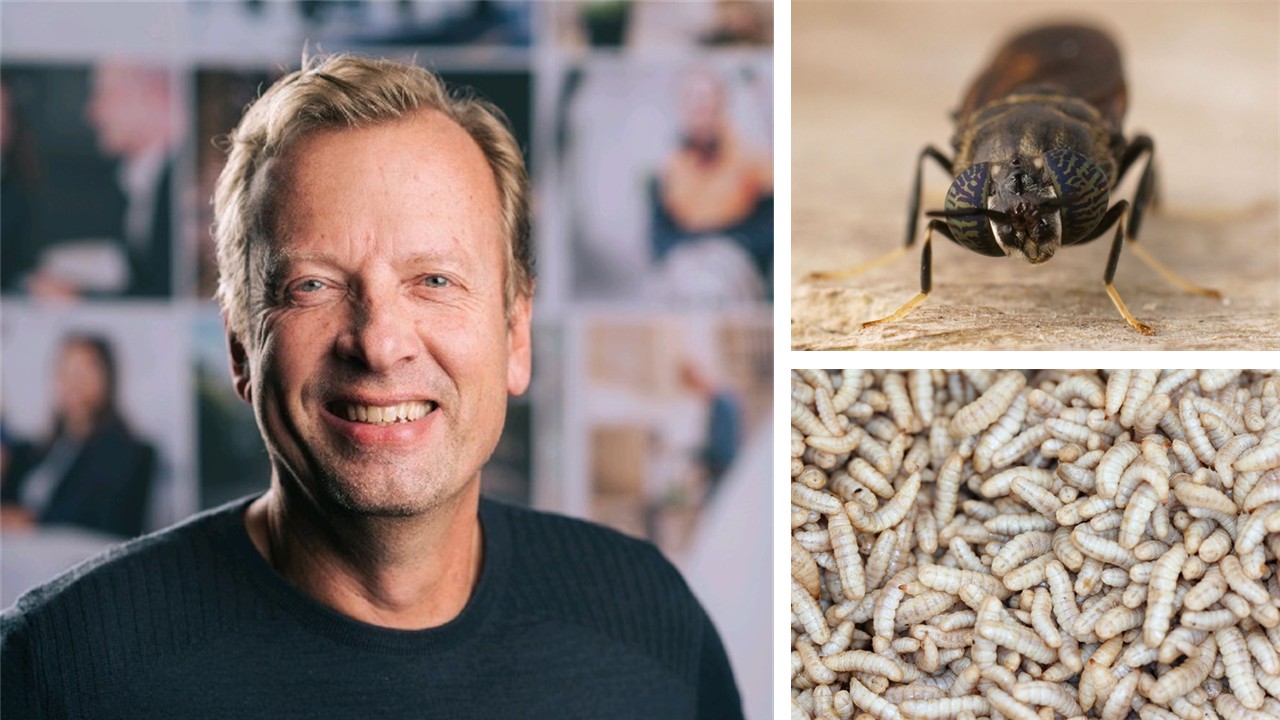
Dutch insect agriculture company Protix is redirecting its global strategy toward Asia, betting on the region’s cost advantages and growing demand to accelerate the development of insect-based protein.
The company, a pioneer in the sector, plans to expand through a “buy and build” approach across Southeast Asia, targeting key markets such as aquaculture, livestock feed, and pet food. According to AgFunderNews, the shift comes as the industry faces economic pressure and regulatory challenges in Western markets.
CEO Maiko van der Meer explained the rationale behind the move. “We want to go east. Our new strategy is buy and build in Asia for aquafeed, livestock and pet food,” he said.
Cost and regulation drive the shift
One of the main drivers behind Protix’s decision is the significantly lower production cost in Southeast Asia. The region offers cheaper energy, land, labor, and construction, making it easier to achieve competitive pricing.
“It’s just much more cost effective to produce in Southeast Asia. Energy, land, building and labor costs are cheaper, and there are not the same restrictions on the feedstock,” van der Meer said.
In contrast, Europe imposes stricter regulations on what insect farms can use as feed, particularly limiting access to post-consumer food waste and certain animal by-products. These constraints have made it difficult for companies to reach sustainable unit economics.
Protix’s expansion strategy includes partnerships with local companies that already manage organic waste streams. The firm recently signed a memorandum of understanding with Reco, a South Korean waste collection company, as part of this model.
Under the joint venture approach, Protix contributes its technology, intellectual property, and operational expertise, while local partners provide feedstock access and capital support. Additional funding is expected from external investors.
Expansion plans across Southeast Asia
The company is actively exploring opportunities in countries such as Thailand, Malaysia, Vietnam, and Indonesia, where both demand and government support for sustainable food systems are growing.
Van der Meer noted that governments in the region are increasingly focused on food security and waste reduction, often backing these initiatives with incentives and subsidies.
He also highlighted that Asia offers more mature end markets for insect protein. “I always prefer to have customers begging me for product rather than imposing product on the customer,” he said.
Protix believes it can achieve immediate cost competitiveness in these markets. “We could make BSF protein for $1 a kilo and we don’t even have to be at the huge scale for that,” he stated.
Europe and North America: a secondary role
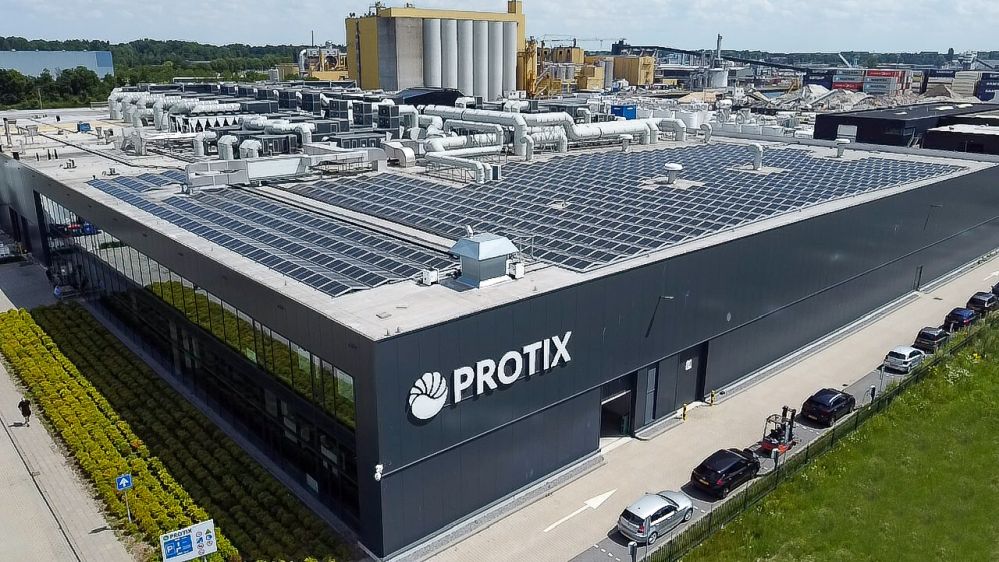
While Asia becomes the primary growth engine, Europe will remain important as a development hub. Protix’s flagship facility in Bergen op Zoom, in the Netherlands, will focus on innovation, testing, and technology validation rather than large-scale commercial production.
“I don’t necessarily see it running in another 10 years from now as a major production hub,” van der Meer said.
Meanwhile, the company’s plans in North America have slowed. A proposed large-scale facility in Nebraska, in partnership with Tyson Foods, is currently on hold.
Despite fewer regulatory barriers in the US, Protix sees stronger near-term opportunities in Asia due to faster market adoption and clearer demand signals.
Industry challenges and outlook
The insect protein industry has faced setbacks in recent years, with several companies struggling or going bankrupt. However, van der Meer argued that these challenges are not systemic across all segments.
He pointed out that black soldier fly larvae, Protix’s core technology, offers superior efficiency and versatility compared to other insect species.
“Realism kicked in,” he said, referring to earlier overly optimistic expectations in the sector. “You have to have economic benefits, not just sustainability benefits.”
Recent trials have shown that insect protein can improve animal health, reduce mortality, and enhance product quality in aquaculture species such as shrimp and salmon.
As the global demand for alternative proteins grows, Protix’s shift to Asia reflects a broader industry trend: moving production closer to cost-efficient regions and high-demand markets.