A new global fertilizer crisis, triggered by geopolitical tensions and energy disruptions in early 2026, is exposing the fragility of the global food system, as rising input costs threaten crop production, food prices, and food security worldwide, according to analysis published by AgFunderNews.
The global food system is facing renewed pressure as a fertilizer shock linked to energy markets disrupts supply chains and raises concerns about food security across multiple regions.
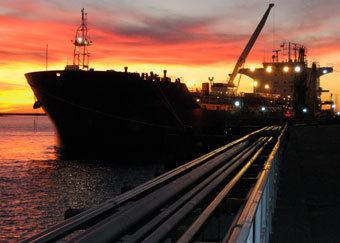
According to AgFunderNews, the situation escalated after military tensions in the Middle East disrupted maritime traffic through the Strait of Hormuz, a critical corridor for global trade. The route handles a significant share of the world’s oil, liquefied natural gas, and fertilizer exports, making it a key artery for both energy and agriculture.
Within days of the disruption, urea prices, the most widely used nitrogen fertilizer, surged sharply. The increase reflects the deep connection between fossil fuels and food production, as nitrogen fertilizers are produced using natural gas through energy-intensive industrial processes.
A system tied to fossil energy
The current crisis highlights a structural dependency: modern agriculture relies heavily on fossil fuels. From fertilizers and machinery to transport and processing, energy is embedded in every stage of the food supply chain.
Estimates indicate that food systems consume around 15% of global fossil fuel use, while nitrogen fertilizer production alone accounts for up to 5% of global natural gas consumption.
This dependency creates vulnerability. When energy markets are disrupted, the impact quickly spreads to agriculture, pushing up costs for farmers and ultimately affecting food prices.
As noted in the AgFunderNews article authored by Johan Jörgensen, “These are not outliers. They are a pattern.” The analysis points to repeated shocks in recent years, including the pandemic, the war in Ukraine, and ongoing geopolitical tensions.
Rising costs and global risks
The surge in fertilizer prices is already affecting farmers’ margins, particularly in countries with limited resources. For many producers, the cost of inputs such as nitrogen fertilizer represents a significant portion of total production expenses.
At the same time, there are no strategic reserves for fertilizers, unlike oil. This means supply disruptions can have immediate and widespread consequences, especially during key planting seasons.
International organizations warn that prolonged disruptions could lead to lower crop yields, higher food prices, and increased hunger in vulnerable regions.
The World Food Program estimates that millions more people could face food insecurity if current tensions persist.
A fragile global model
The crisis also exposes deeper structural issues in the global food system. Industrial agriculture is largely based on monoculture production, which depends on external inputs such as fertilizers and pesticides.
This model can deliver high yields under stable conditions but is highly sensitive to disruptions. When supply chains break or input costs rise, the system struggles to adapt.
In contrast, alternative approaches such as regenerative agriculture, crop diversification, and agroforestry are gaining attention for their resilience and lower dependency on external inputs.
Research cited in the analysis suggests that diversified systems can maintain yields while improving soil health, biodiversity, and long-term profitability.
A turning point for food systems?
The current crisis may represent a broader inflection point. Just as energy shocks accelerated the transition toward renewable energy, similar pressures could drive changes in how food is produced.
Investors, policymakers, and technology developers are increasingly exploring new models that reduce reliance on fossil inputs and strengthen local food systems.
The challenge, however, lies in scaling these alternatives quickly enough to address growing global demand.
For now, the fertilizer crisis serves as a reminder that the global food system remains deeply interconnected with energy markets—and highly exposed to geopolitical risks.