Global food prices could rise 12% to 18% by the end of 2026 due to a fertilizer crisis linked to tensions in the Persian Gulf, according to Helios AI, an AI-driven platform analyzing agricultural risks across 90 countries, as reported by AgFunderNews.
The forecast highlights how disruptions in fertilizer supply, combined with rising fuel costs and lower crop yields, could create a delayed but significant impact on global food markets.
According to Francisco Martin-Rayo, three key factors are driving the projected increase. The first is already visible: higher energy costs are pushing up transportation expenses and limiting fertilizer availability. The second is expected later in 2026, when reduced planting due to high input costs leads to lower yields in grains and oilseeds. The third phase will emerge in 2027, when depleted stocks begin to affect supply.
“When you’re applying less fertilizer, either because you don’t have it, or because it’s a lot more expensive, that will hit your harvest,” Martin-Rayo explained. He added that the ripple effects could extend across the entire food system.
The crisis is particularly relevant because fertilizer is a core input for global agriculture. Crops such as corn are especially vulnerable, along with industries that depend on them, including livestock sectors like poultry and dairy.
Even countries with domestic fertilizer production are not fully protected. As Martin-Rayo noted, global pricing dynamics mean that local availability does not shield markets from international cost increases.
The situation also raises concerns about trade restrictions. During previous crises, such as in 2022, several countries limited exports of key commodities to protect domestic supply. A similar response could amplify price volatility.
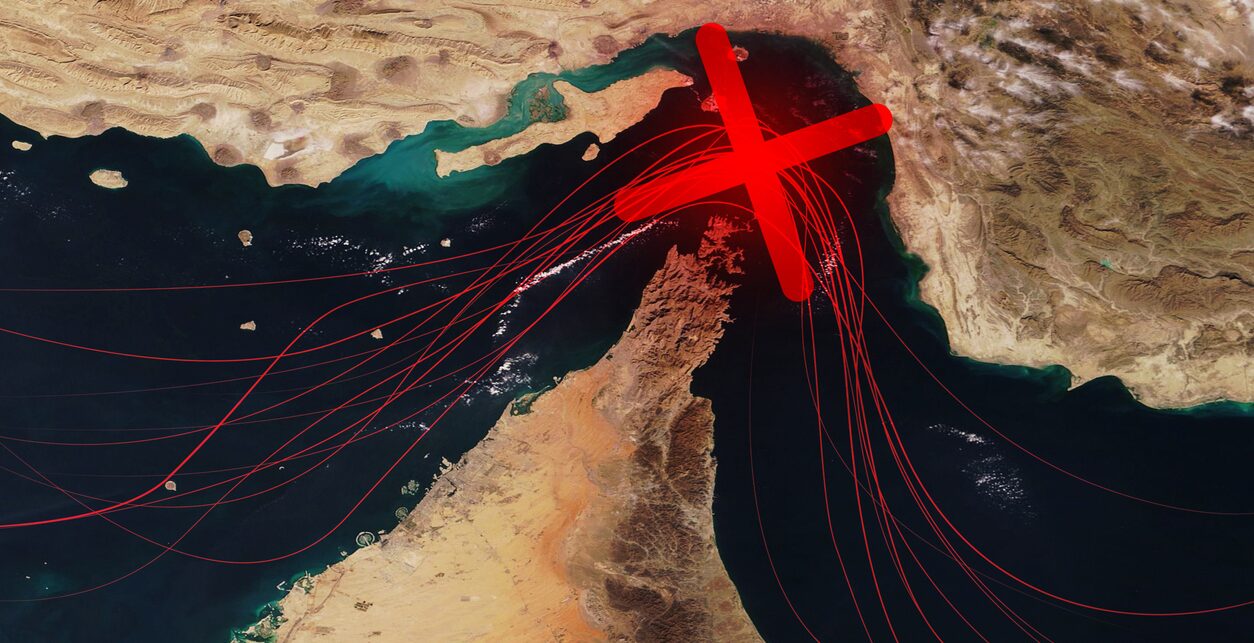
The geopolitical dimension adds another layer of risk. The Persian Gulf accounts for a significant share of global fertilizer exports, including urea, ammonia and sulfur-based inputs. Disruptions in this region can quickly affect supply chains worldwide.
However, analysts from Alpine Macro suggest that the current crisis differs from the 2022 shock triggered by the war in Ukraine. While severe, it is primarily an energy and fertilizer shock, rather than a direct disruption of major agricultural production zones.
This means the impact on food prices may be more gradual. Instead of immediate shortages, the effects are likely to appear over time as reduced fertilizer use translates into weaker harvests.
The exposure varies by region. South and Southeast Asia are among the most vulnerable due to their reliance on imports. Countries like Brazil, which imports around 85% of its fertilizer, could face higher production costs for crops such as soybeans and corn.
North America and Europe may be less exposed in terms of supply, but they are still affected by global price trends and energy costs.
Beyond production, the crisis is increasing pressure on supply chains. Procurement teams are facing growing uncertainty, with more frequent disruptions than a decade ago. As Martin-Rayo put it, “If you’re a procurement manager today, the whole world is on fire.”
In response, companies are increasingly turning to AI tools to monitor risks, manage suppliers and anticipate disruptions in real time.
The broader implication is a renewed focus on food security, as governments and companies prepare for a more volatile global market.