New agricultural technologies developed in 2026 could transform the global fertilizer market by enabling local production without fossil fuels, reducing dependency on volatile energy markets and improving food security, according to an analysis published by AgFunderNews.
A new generation of agricultural technology is emerging with the potential to fundamentally reshape how fertilizers are produced and distributed worldwide.
According to AgFunderNews, innovations led by researchers and startups are making it possible to produce nitrogen fertilizer using renewable energy, air, water, and local materials, reducing reliance on fossil fuels and long global supply chains.
The shift comes at a critical moment. Ongoing geopolitical tensions in the Persian Gulf have disrupted exports of oil, gas, and key agricultural inputs such as urea, pushing fertilizer prices higher and increasing pressure on farmers globally.
Breaking the fossil fuel link
For more than a century, fertilizer production has depended on the Haber-Bosch process, which requires large amounts of natural gas to produce ammonia, the basis of nitrogen fertilizers.
This model concentrates production in a few large industrial hubs and relies on complex international logistics. When disruptions occur—whether from conflict, energy crises, or trade restrictions—the impact quickly spreads across the global food system.
Now, that model may be changing.
Researchers highlight that new technologies can enable decentralized fertilizer production, allowing inputs to be produced closer to farms. This reduces transport costs, shortens supply chains, and limits exposure to global market volatility.
“For the first time in more than a century, we now have the ability to produce fertilizer locally using just renewable electricity, and locally available materials,” explain Amit Roy and Nicolas Pinkowski in the AgFunderNews article.
How the new systems work
The innovations span the three key nutrients used in agriculture: nitrogen (N), phosphorus (P), and potassium (K).
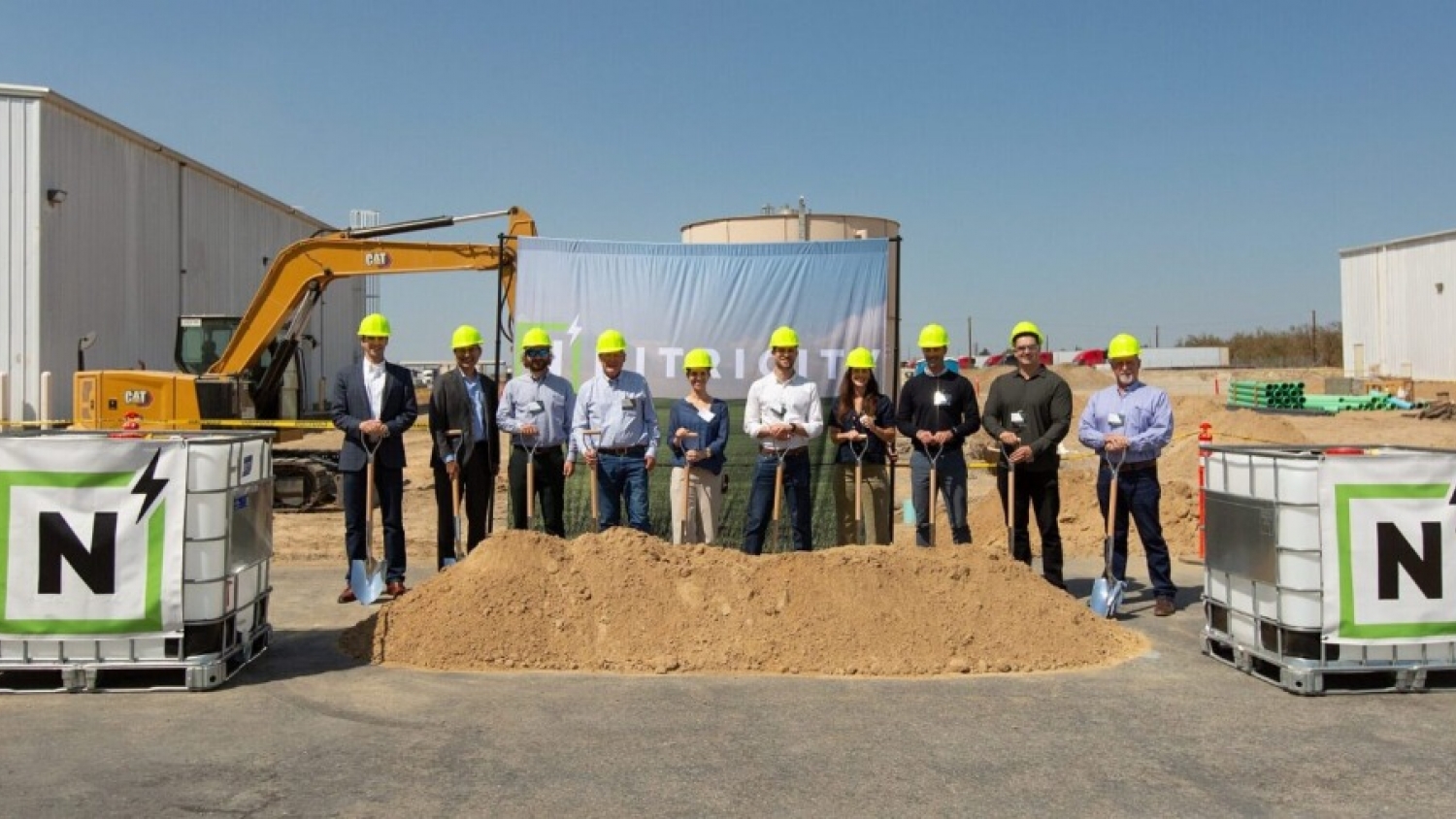
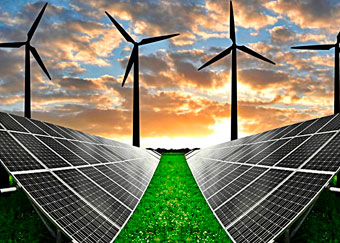
For nitrogen, startups such as Nitricity are developing systems that use renewable electricity and agricultural byproducts to generate fertilizer. These modular units can be installed near farming regions and adapted to local soil conditions.
Phosphorus production is also evolving. Techniques such as partially acidulated rock phosphate (PAPR) allow fertilizer to be produced with lower energy requirements, especially in regions rich in phosphate reserves, including parts of Africa.
Potassium offers similar opportunities. Natural sources like wood ash and mineral-rich rocks can be processed locally, reducing dependence on imported potash.
Together, these approaches point toward a more distributed and resilient fertilizer system.
Impact on farmers and food prices
The implications are significant, particularly for developing countries. Regions such as South Asia and Sub-Saharan Africa are highly dependent on imported fertilizers and are often the most affected by price spikes.
Historically, when fertilizer costs rise, farmers reduce usage. This leads to lower crop yields, tighter food supply, and higher prices, creating a chain reaction that increases food insecurity.
“The war in Iran offers yet another example of why we must decentralize fertilizer production to increase food security and protect the world’s poor,” the authors state.
By producing fertilizer locally, countries could stabilize supply, reduce costs, and improve resilience against global disruptions.
A shift toward localized systems
The push for decentralized fertilizer aligns with broader trends in agriculture, including sustainability, supply chain resilience, and climate adaptation.
Local production not only reduces dependency on fossil fuels but also lowers emissions and allows for more tailored solutions based on soil and crop needs.
At the same time, it challenges the traditional model dominated by large-scale industrial producers.
The transition will require investment, infrastructure, and policy support. But proponents argue that the technology is already available and could be deployed at scale in the coming years.
A different path forward
As global markets continue to face volatility, the debate over fertilizer production is gaining urgency.
The current system has proven efficient under stable conditions but vulnerable to shocks. The emergence of renewable-based, decentralized technologies offers an alternative path—one that could reshape agriculture and strengthen global food systems.
“If we continue relying on the same centralized systems that have existed for more than a century, we should not be surprised when the same crises continue to produce the same outcomes,” the authors conclude.