California Cultured advances lab-grown cocoa with low-cost bioreactors to scale sustainable chocolate production
The startup successfully tested reusable plastic bioreactors that could drastically reduce production costs and support cultured cocoa commercialization
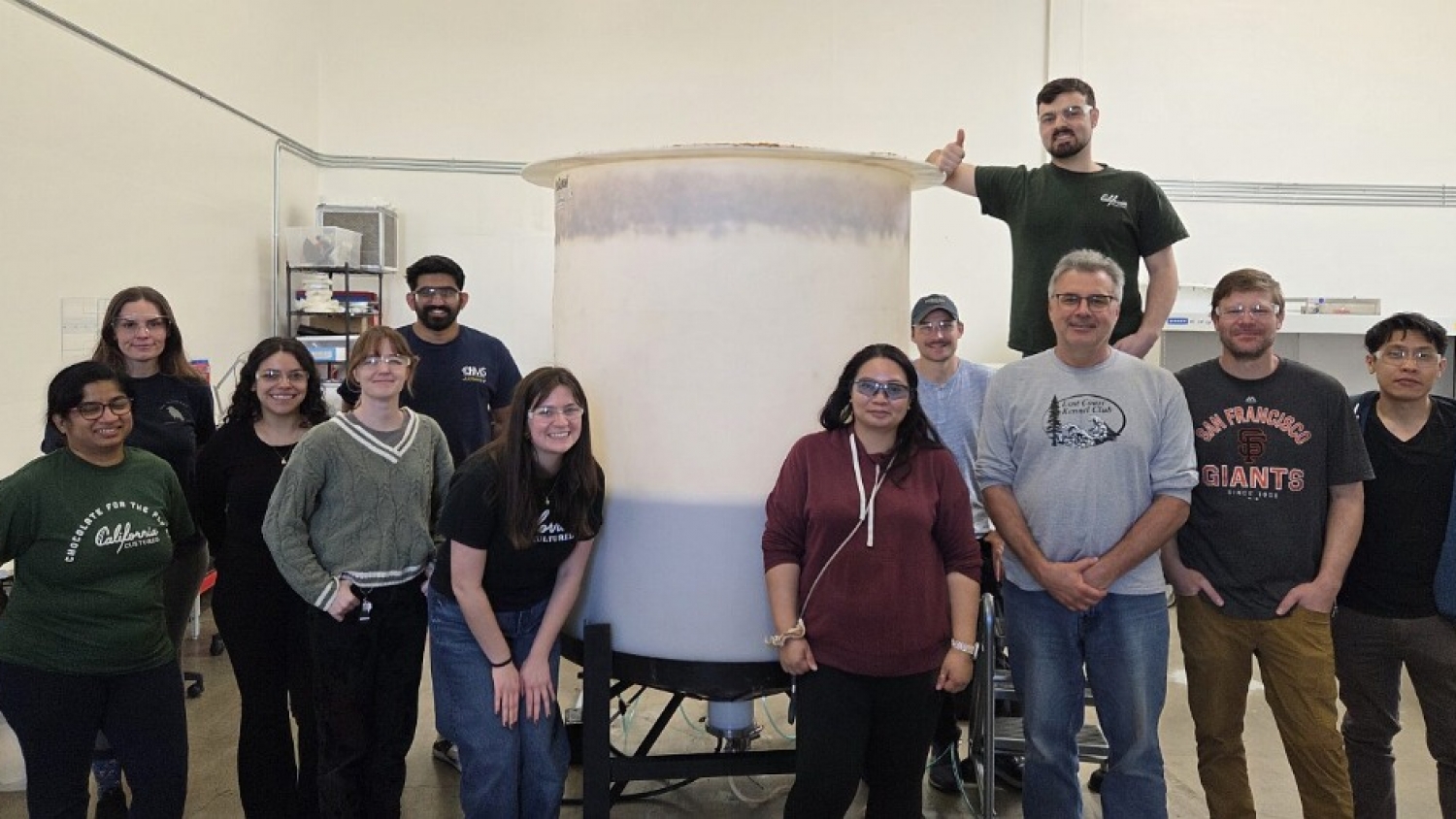
US startup California Cultured has completed its first successful production run using a 2,000-liter reusable plastic bioreactor to grow flavanol-rich cocoa through plant cell culture, marking a milestone that could significantly reduce the cost of producing cocoa without traditional farming. The development, carried out in the United States, aims to support the commercial launch of new cocoa ingredients later this year and respond to growing concerns about the long-term supply of chocolate, according to AgFunderNews.
The company says the system could transform the economics of cultured cocoa, lowering both capital and operating costs while enabling scalable production. Unlike conventional approaches that rely on expensive stainless-steel fermentation tanks or disposable plastic bags, California Cultured uses proprietary rigid plastic bioreactors designed for repeated use.
According to the company, each reactor costs roughly $3,000, compared with $500,000 to $1 million for a stainless-steel system with similar capacity.
“This will shift the conversation about what plant cell culture can realistically achieve,” said Steve Stearns, head of strategy and business development at California Cultured.
The successful run at 2,000 liters represents a production-scale system rather than a laboratory experiment, a step that the company considers crucial for moving the technology toward commercialization.
A different approach to scaling production
Traditional biomanufacturing often depends on large centralized facilities with very large fermentation tanks. California Cultured is pursuing a different model based on scaling out rather than scaling up.
Instead of building a few massive reactors, the company plans to deploy many smaller, modular units that can operate simultaneously. Because the reactors are inexpensive and reusable, they can be installed in relatively simple food-grade facilities rather than specialized pharmaceutical-grade plants.
“One of the core ideas behind our manufacturing model is that instead of building extremely large centralized stainless steel plants, we scale out with many affordable reactors,” Stearns said.
The company also developed a proprietary steam sterilization system designed to simplify cleaning and reduce labor requirements. Automated control systems allow operators to manage large numbers of reactors at the same time.
“Our approach changes the equation by lowering both capital cost and operating cost,” Stearns explained.
According to the company, this combination of low-cost hardware, automation software and specialized cell lines creates a production platform that differs from traditional fermentation models.
Partnerships and commercial rollout
California Cultured plans to launch its first business-to-business ingredients later this year. The initial products will feature flavanol-rich cultured cocoa, developed through plant cell culture rather than conventional agriculture.
The company confirmed that Puratos, a global supplier of bakery and chocolate ingredients, will introduce products incorporating the cultured cocoa ingredient.
In addition, California Cultured has signed an offtake agreement with Japan’s largest chocolate company, Meiji, and both companies are exploring chocolate and chocolate-style products using the startup’s cocoa biomass.
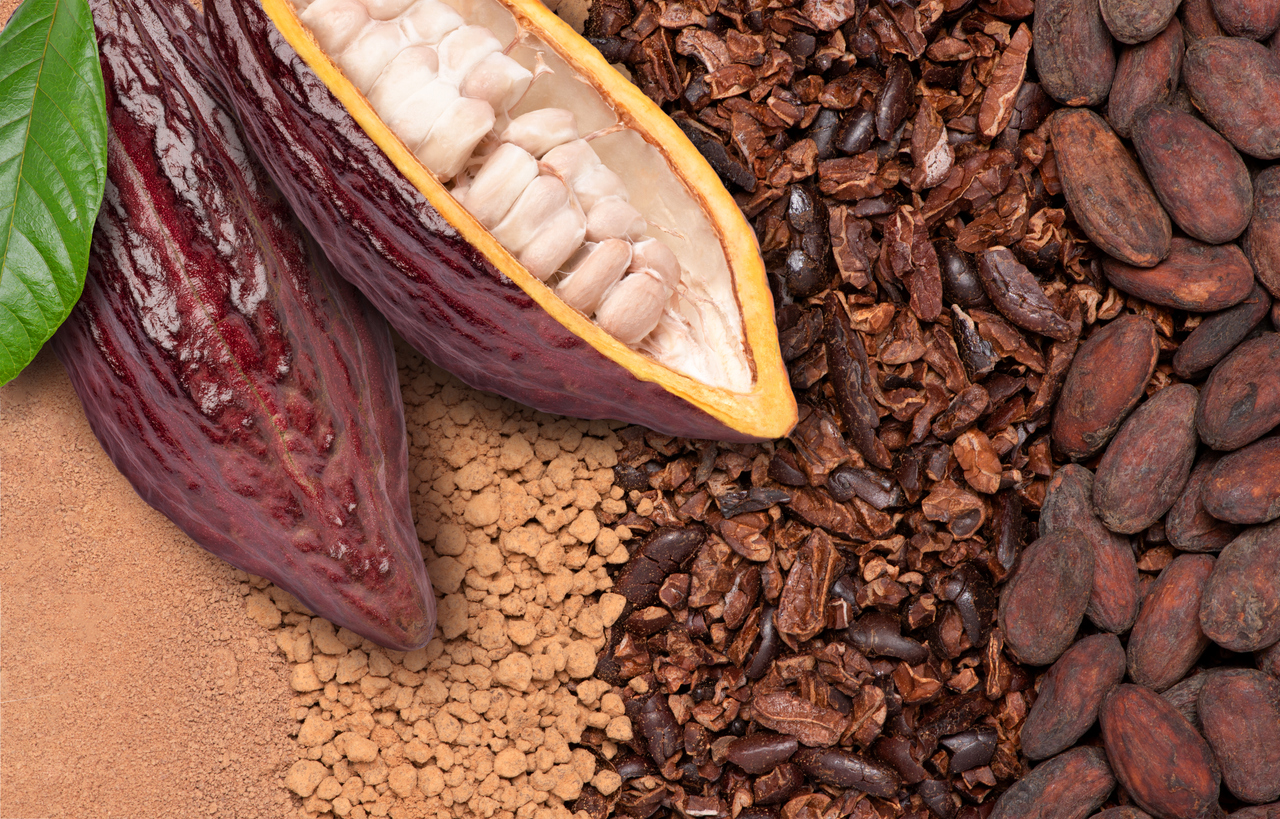
The first commercial ingredient will be marketed as cultured cocoa powder. Unlike traditional cocoa production, which requires fermentation and roasting of cocoa beans, the cultured version involves minimal processing in order to preserve flavanol content.
According to the company, the powder will initially be used as a functional ingredient in chocolate and cocoa products rather than a direct bulk substitute. The goal is to increase flavanol levels while reducing the presence of heavy metals such as lead and cadmium that can appear in conventional cocoa products.
Cocoa supply pressures
The development comes at a time of ongoing volatility in the global cocoa market. Prices reached record levels in 2024 after poor harvests and disease outbreaks in major producing regions in West Africa, which supplies most of the world’s cocoa beans.
Although prices have since declined, industry analysts continue to warn about structural supply challenges.
“Chocolate is heading toward a supply crunch,” Stearns said. “Cocoa demand continues to rise while yields in major growing regions are increasingly unstable due to disease, climate pressure, and aging farms.”
Plant cell culture technology could provide an alternative supply model by producing cocoa compounds directly from plant cells grown in controlled environments.
“What we are demonstrating is that cocoa does not have to be constrained by those agricultural limits,” Stearns said.
A growing field of alternative cocoa
Plant cell culture involves cultivating plant cells in bioreactors under carefully controlled conditions to produce specific compounds found in plants. Instead of growing a full plant in soil, researchers grow only the cells needed to generate valuable ingredients.
The approach has been used for years in pharmaceutical production, including the manufacturing of certain medicines, and is now attracting attention in food and nutrition sectors as climate change and supply chain disruptions affect agricultural production.
Several companies are exploring similar technologies for cocoa. Among them are Food Brewer, which is working with Lindt & Sprüngli, Kokomodo/Pluri, which collaborates with Cargill, and Celleste Bio, which partners with Mondelez International.
Supporters of plant cell culture argue that the technology offers several advantages over traditional farming. These include consistent supply regardless of weather conditions, reduced reliance on agricultural land and water, and the possibility of producing higher concentrations of valuable compounds such as polyphenols.
California Cultured says its latest production milestone demonstrates that cultured cocoa could become a viable addition to the global chocolate supply chain as demand continues to rise and agricultural production faces increasing pressure.
Invertí en periodismo de calidad
En Agroempresario trabajamos para acercarte contenidos que agregan valor.