The Swiss startup Planetary has successfully raised a CHF 16 million ($20 million) Series A equity financing round, supplemented by CHF 6 million ($7.5 million) in credit, totaling approximately $28 million. According to information reported by AgFunderNews, the funding will be used to further build out the company’s fermentation infrastructure and its proprietary BioBlocks licensing platform. The investment round was led by Radikal Capital and Oetker Ventures, with participation from several international firms such as Royal Cosun, Astanor Ventures, and Green Generation Fund.
Cofounder and CEO David Brandes highlighted that raising capital in the current economic climate requires significant resilience, yet the volatility of global commodities strengthens the case for a circular and high-quality food system. The company operates a two-pronged business model. First, it sells mycoprotein as a b2b ingredient, currently produced at a facility in Switzerland co-located with a sugar mill. Second, it licenses its BioBlocks fermentation platform, which allows partners like sugar producers to convert low-value side streams into high-value ingredients.
Following a successful launch of its mycoprotein filet with ALDI Suisse, where it achieved price parity with conventional chicken, Planetary is now supplying its ingredient to firms in the alternative meat and dairy sectors. As reported by AgFunderNews, the company is also exploring a strategic collaboration with Dhampur Bio Organics (DBO) to produce mycoprotein in India at an industrial scale, aiming for a cost below $1 per kilo. This expansion into the Asian market represents a significant step toward making fermentation-based proteins economically viable on a global scale.
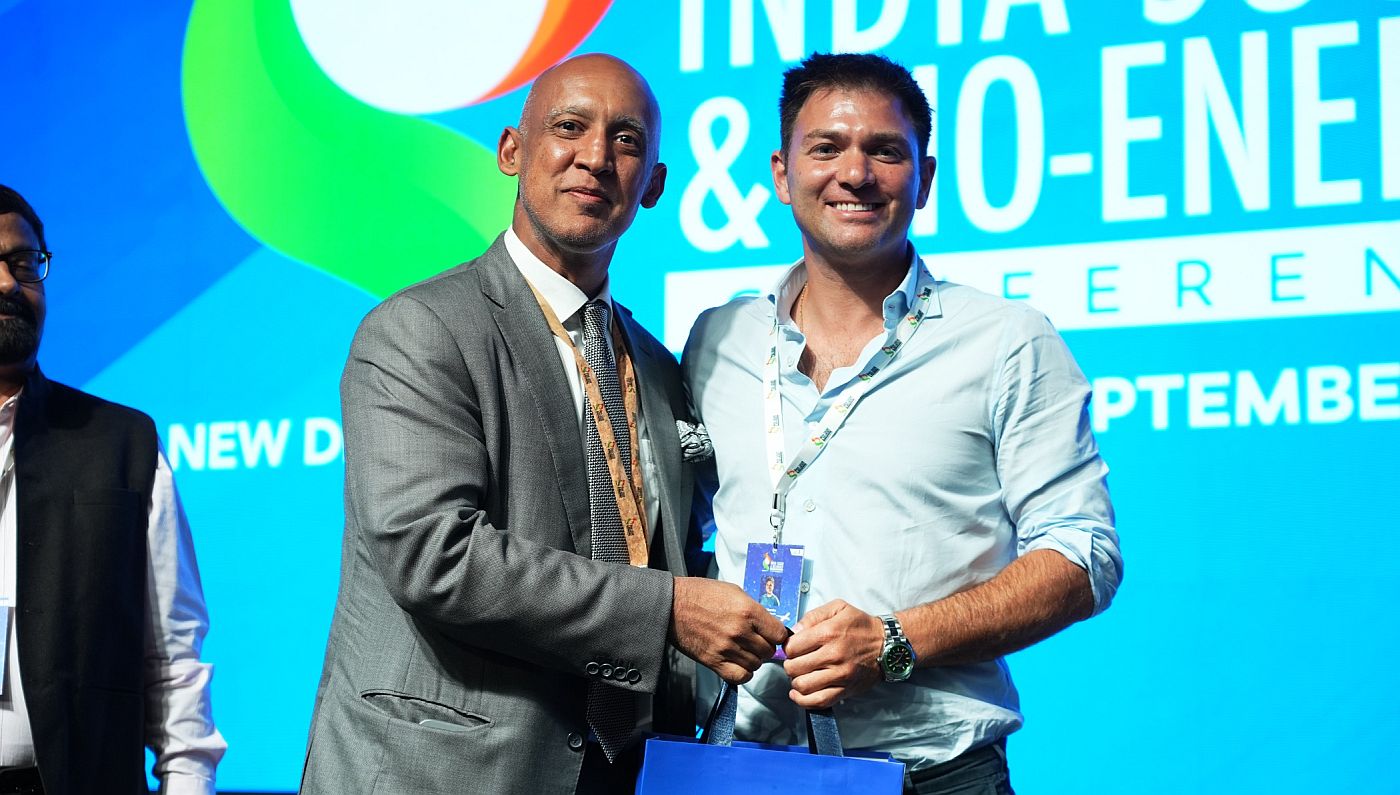
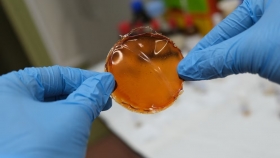
Brandes believes that controlling the full value chain is essential for success in the food tech industry. He noted that contract manufacturing is often not viable for bulk fermented commodities due to unit economics. To maintain positive gross margins, Planetary focuses on owning or exclusively accessing production infrastructure. The company currently produces mycoprotein via biomass fermentation using the Fusarium venenatum strain, which holds near-global regulatory approval, while simultaneously developing new strains for future applications.
Looking ahead to 2026, Planetary plans to roll out products spanning private-label meat and dairy alternatives, as well as hybrid meat applications that blend conventional beef or chicken with mycoprotein. While the company sees great promise in precision fermentation for fats and enzymes, it remains focused on biomass fermentation as the primary economically viable solution for today's market. With this new injection of capital, Planetary stands ready to produce industrial-scale solutions for both blue-chip CPG companies and emerging startups.