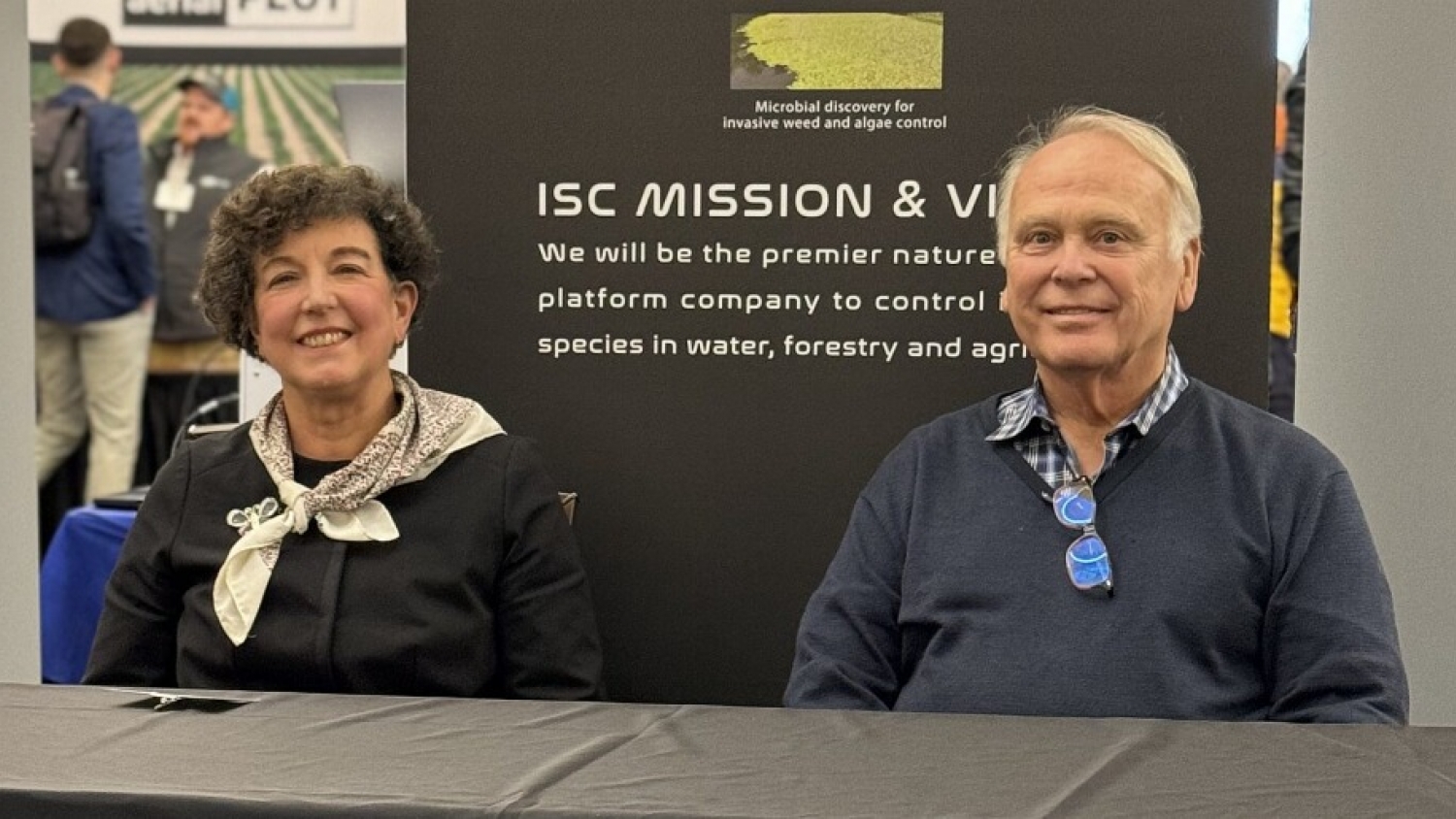
A new generation of bioherbicides based on microbial metabolite cocktails is being developed in the United States to combat resistant weeds and reduce reliance on conventional chemicals. According to AgFunderNews, Pam Marrone, CEO of Invasive Species Corporation, is leading efforts to create broad-spectrum solutions capable of targeting glyphosate-resistant species with entirely new modes of action.
The initiative responds to a growing global challenge: weed resistance to widely used herbicides and increasing regulatory pressure on traditional chemicals. Marrone explained that her company is intentionally targeting novel biological pathways in plants, aiming to deliver solutions that remain effective where conventional products fail.
“We’re going after some unknown sites, usually novel receptors on the plant,” she said. “And that’s by design, because we want something that’s going to work on resistant weeds.”
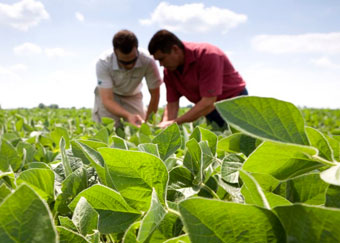
The company is currently advancing two leading microbial candidates, designed to complement or replace products like atrazine and glyphosate. Early tests have already been conducted in controlled environments and small outdoor plots, with expanded field trials underway across major agricultural regions in the US, including corn and soybean systems.
Unlike many existing biological solutions, which offer short-term “burn-down” effects, the goal is to develop long-lasting, systemic bioherbicides that work both before and after weeds emerge. This dual capability is considered a key breakthrough for scaling biological alternatives in large-scale farming.
According to Marrone, most current bioherbicides lack persistence because they do not reach plant roots, requiring repeated applications. In contrast, the new approach seeks to replicate the effectiveness of chemical herbicides while maintaining a biological profile.
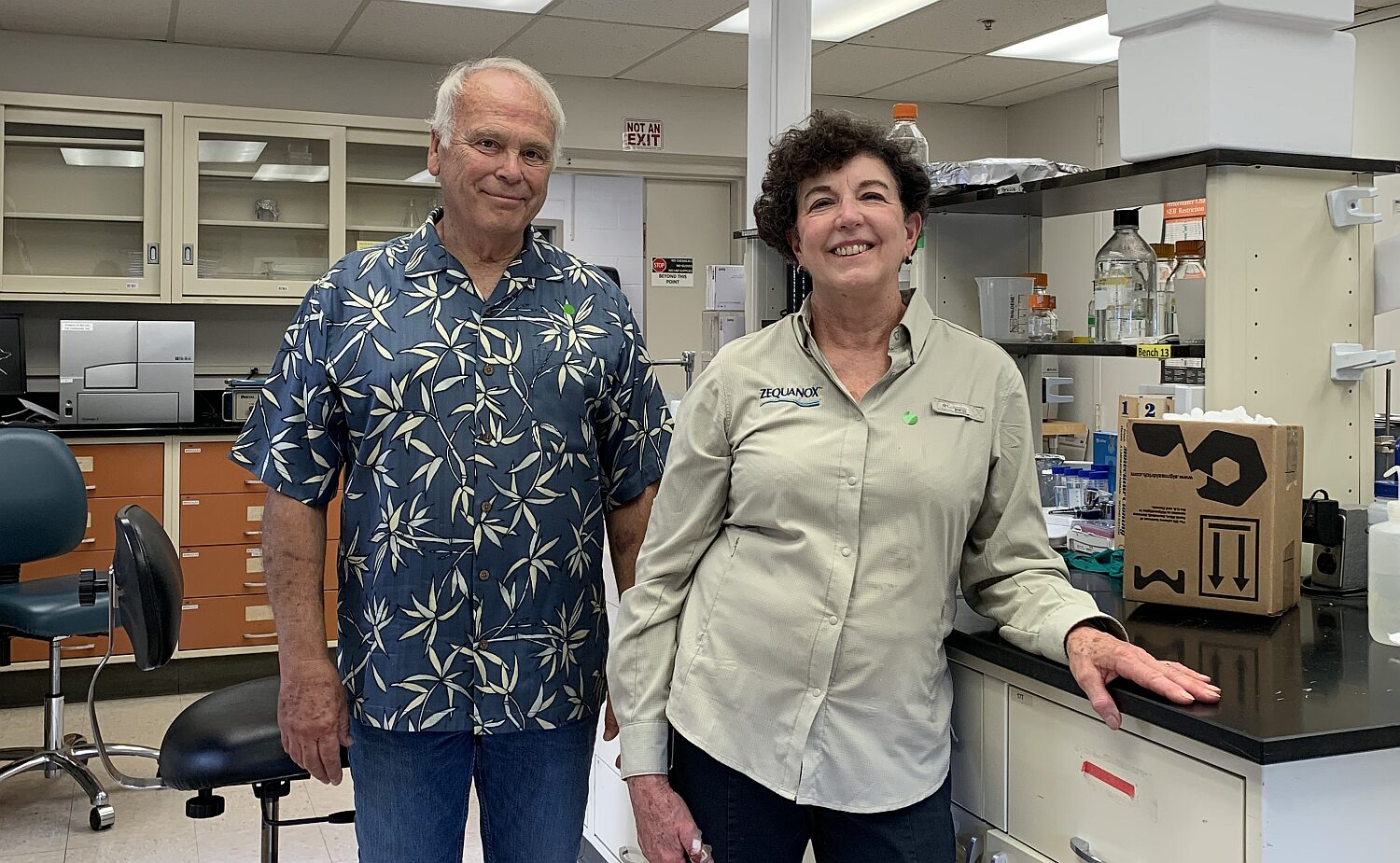
The core innovation lies in the use of microbial metabolite mixtures, rather than single active compounds. Using artificial intelligence, the platform identifies naturally occurring microbes capable of producing herbicidal substances. These are then analyzed through genomic sequencing and metabolomics to determine their effectiveness.
“From my experience, you generally don’t know what you’re going to find,” Marrone explained. “However, now we can analyze gene clusters and metabolites upfront, which helps us decide which microbes to advance.”
Instead of isolating and purifying individual compounds, the company uses the entire fermentation broth, significantly reducing production costs. This approach allows for competitive pricing compared to synthetic herbicides while maintaining efficacy.
Another key advantage is the higher success rate in discovery. Traditional screening methods yielded about a 1% success rate in identifying effective microbes. With algorithm-driven screening, the company reports a 30% hit rate, marking a significant leap in efficiency.
Production scalability remains a challenge, but the company is already running pilot fermentation processes in California and collaborating with contract manufacturers to expand capacity. Machine learning is also being applied to optimize fermentation conditions, including temperature, oxygen levels, and nutrient balance, to increase metabolite yield.
Regulation is another critical factor. Marrone noted that using natural microbial mixtures allows the products to be classified as biopesticides in most global markets, simplifying approval pathways compared to genetically engineered alternatives. However, regulatory frameworks can vary, particularly in Europe.
Beyond technology, the broader market context is driving momentum. As herbicide resistance increases and environmental scrutiny intensifies, demand for alternative weed control solutions is accelerating. The ability to deliver cost-effective, scalable, and efficient biological products could reshape the competitive landscape.
Some early tests have already demonstrated the ability to eliminate weeds known to be resistant to glyphosate, highlighting the potential impact of this new approach.
“I have not found anyone doing things this way,” Marrone said, referring to the use of metabolite mixtures. “But I do believe we will have imitators at some point.”
The development signals a shift toward integrated, biology-based weed management, combining advances in artificial intelligence, microbiology, and agricultural science. If successful, these innovations could redefine how farmers manage weeds in the coming decade.