Standing Ovation raised €30 million (about $34 million) in funding to scale its casein proteins made via precision fermentation, with plans to launch in the United States in 2026, aiming to disrupt the dairy ingredient market with sustainable alternatives, according to AgFunderNews.
The Paris-based company, founded in 2020, is positioning itself at the forefront of next-generation dairy proteins, using biotechnology to produce casein—the key protein in milk—without animals.
The funding round includes a €25 million Series B backed by investors such as Bpifrance, Crédit Mutuel Innovation and Danone Ventures, along with €5 million in non-dilutive financing.
The capital will be used to accelerate commercialization, with a North American launch planned for 2026, followed by expansion into Europe and Asia by late 2027.
One of the company’s main differentiators is its circular production model. Instead of relying on traditional feedstocks like sugar, Standing Ovation uses acid whey, a byproduct of dairy production, as a primary input. This approach reduces costs and avoids competing with food resources.
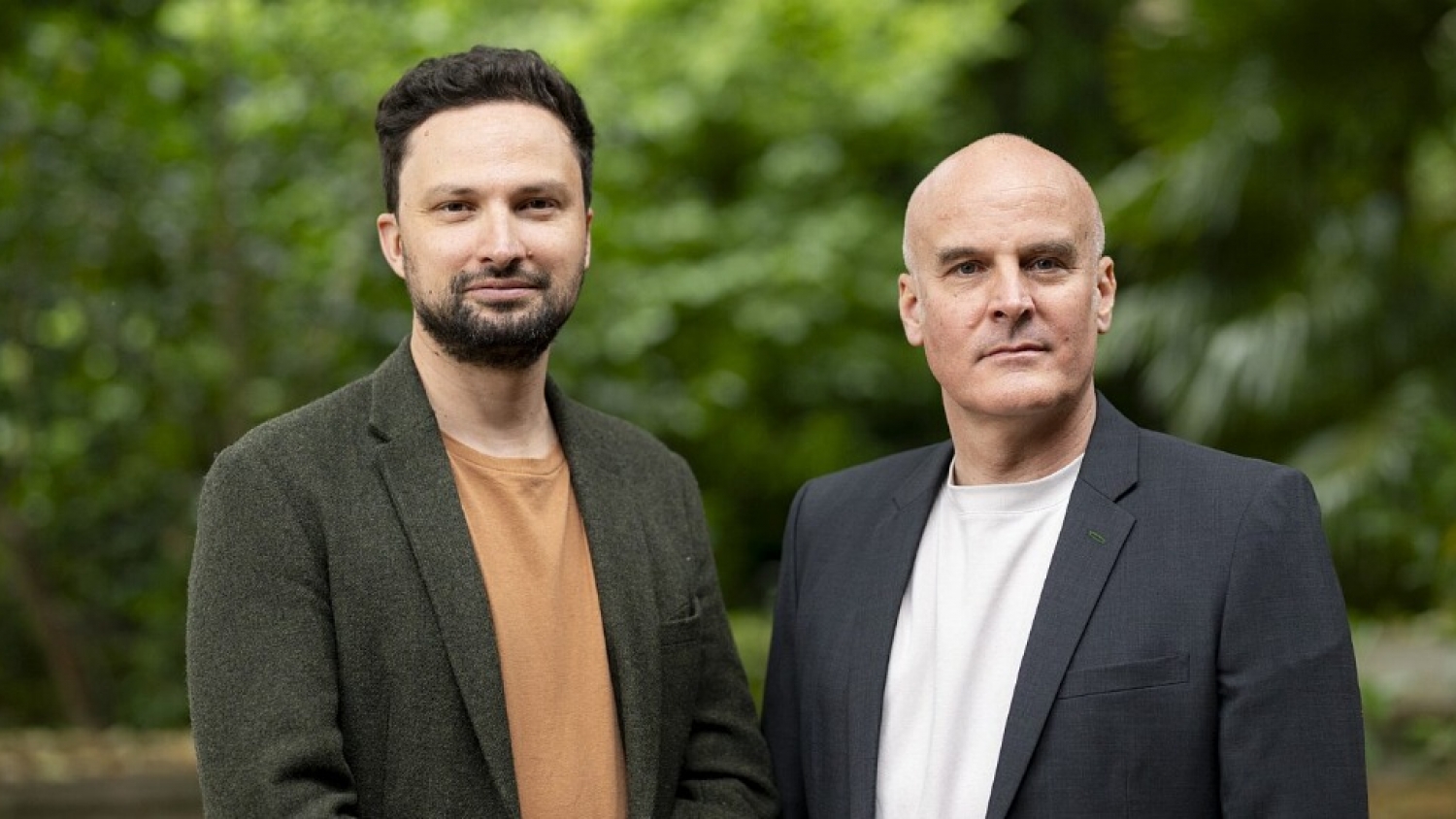
CEO Yvan Chardonnens explained: “We still need to rebalance it with some sugar… but it’s super important for us not to buy food to build food.”
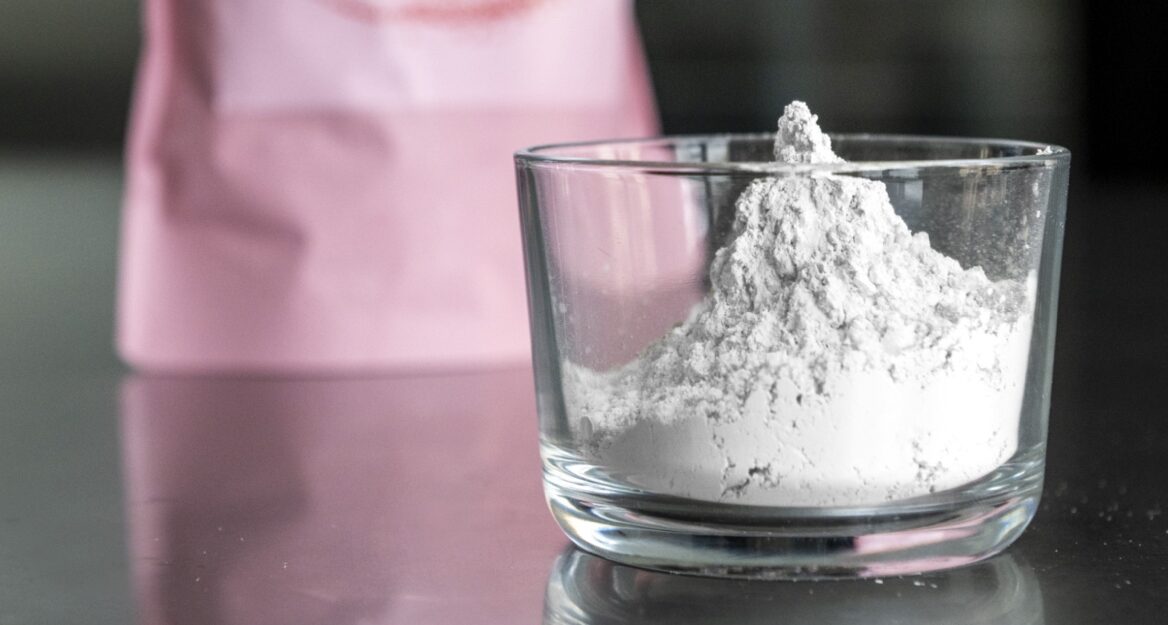
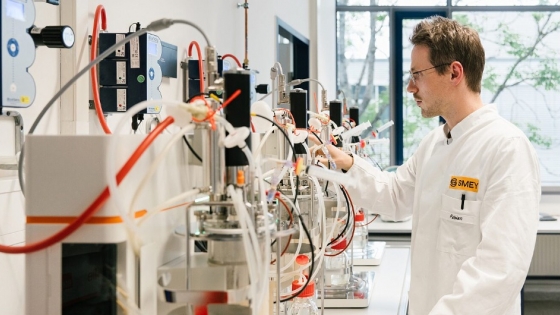
The company produces three main casein proteins—alpha-s1, alpha-s2 and beta-casein—through engineered microorganisms. These proteins can be used across multiple applications, including protein bars, coffee foam, nutraceuticals and ice cream, where they improve texture, stability and nutritional value.
Unlike competitors focusing on easier-to-produce whey proteins, Standing Ovation is targeting casein, which Chardonnens described as “the North Face of precision fermentation,” highlighting its complexity and technological barrier.
From a regulatory standpoint, the company plans to secure a GRAS (Generally Recognized as Safe) designation from the U.S. Food and Drug Administration by the end of 2026. It is also preparing a novel foods application with the European Food Safety Authority, aiming for approval in Europe by 2027.
Instead of building its own manufacturing plants, Standing Ovation is pursuing an asset-light strategy. It partners with contract manufacturers in Eastern Europe and India, while collaborating with Ajinomoto for large-scale production and Tetra Pak for downstream processing.
This model allows the company to scale faster without heavy capital expenditure. “We are not going to spend hundreds of millions into a factory,” Chardonnens said, emphasizing efficiency and flexibility.
While price parity with traditional dairy proteins is not yet the immediate goal, the company is focusing on functional advantages and added value. Even small amounts of its casein can significantly improve plant-based products, particularly in emulsification and texture.
The broader strategy reflects a shift in the alternative protein sector, where companies are increasingly prioritizing performance, sustainability and supply chain integration over direct price competition.
Standing Ovation’s approach also aligns with global trends toward food sovereignty and carbon reduction, leveraging biotechnology to reduce reliance on conventional livestock systems.
As the market for sustainable proteins expands, the company aims to position itself as a leader in precision fermentation casein, a segment still in early development but with significant long-term potential.