New Zealand-based startup Halter has captured global attention after raising $220 million in a Series E round, reaching a $2 billion valuation in under a year. The funding, led by Founders Fund, comes at a time when global agrifoodtech investment remains sharply down, making the milestone even more significant, según informó AgFunderNews.
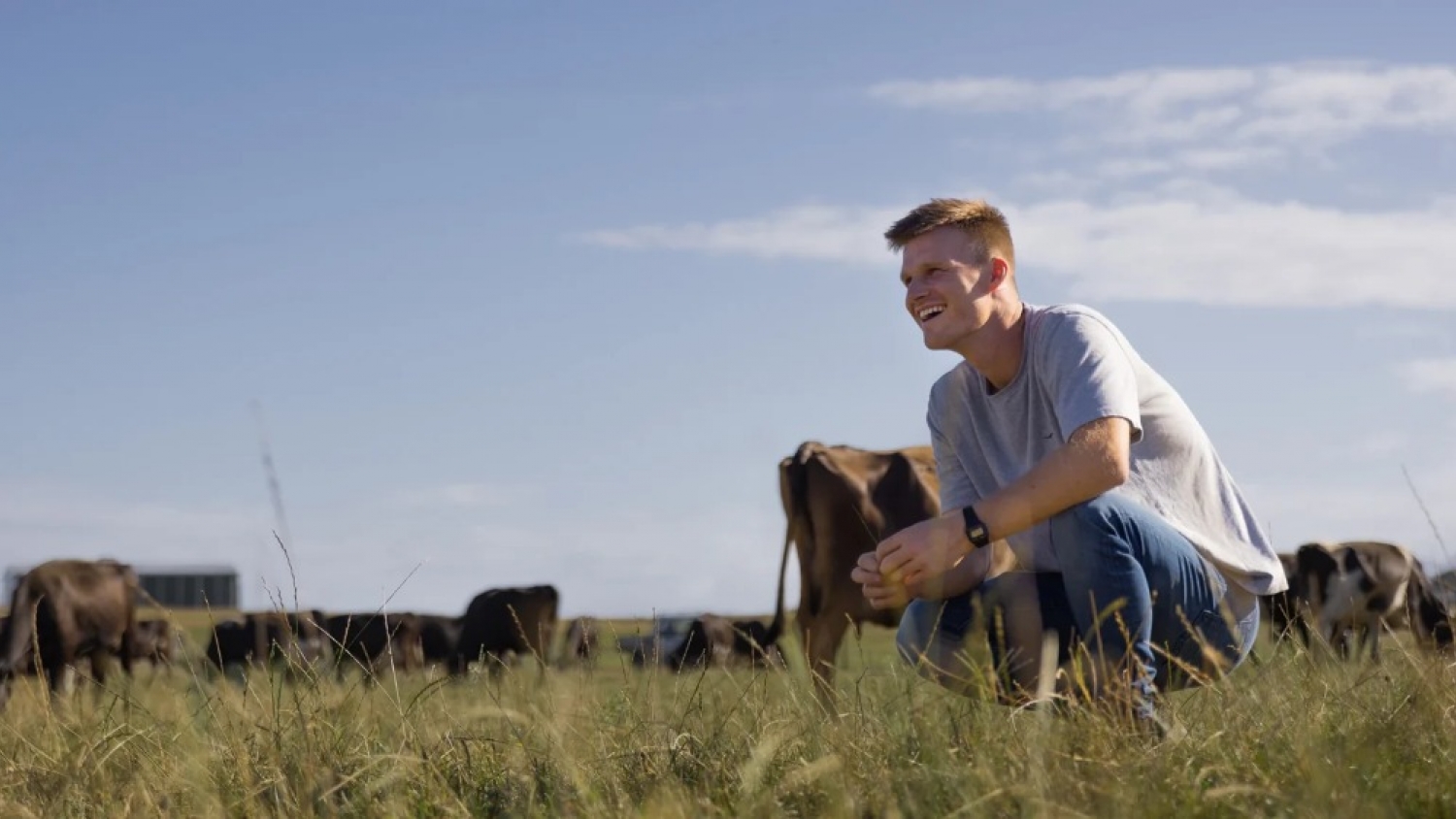
The company, founded by Craig Piggott, operates in the growing field of virtual fencing and precision livestock management, using solar-powered smart collars to track and control cattle. Today, Halter serves more than 2,000 farmers across New Zealand, Australia, and the United States, and has already deployed over 1 million collars.
Beyond hardware: a subscription-driven model
While hardware sales alone cannot justify its valuation, Halter’s strength lies in its subscription-based business model. Farmers pay between $6 and $10 per cow per month, plus infrastructure costs for on-farm towers.
This recurring revenue structure is estimated to generate between $70 million and $100 million annually, positioning the company as a high-growth platform business with strong customer retention. Investors highlight that the opportunity extends far beyond fencing.
As Antony Yousefian, partner at The First Thirty Ventures, explained:
“The market is very much undervaluing the potential.”
According to him, early detection of health issues and improved herd management can significantly increase the lifetime value of each animal, which can exceed $15,000.
A platform for livestock intelligence
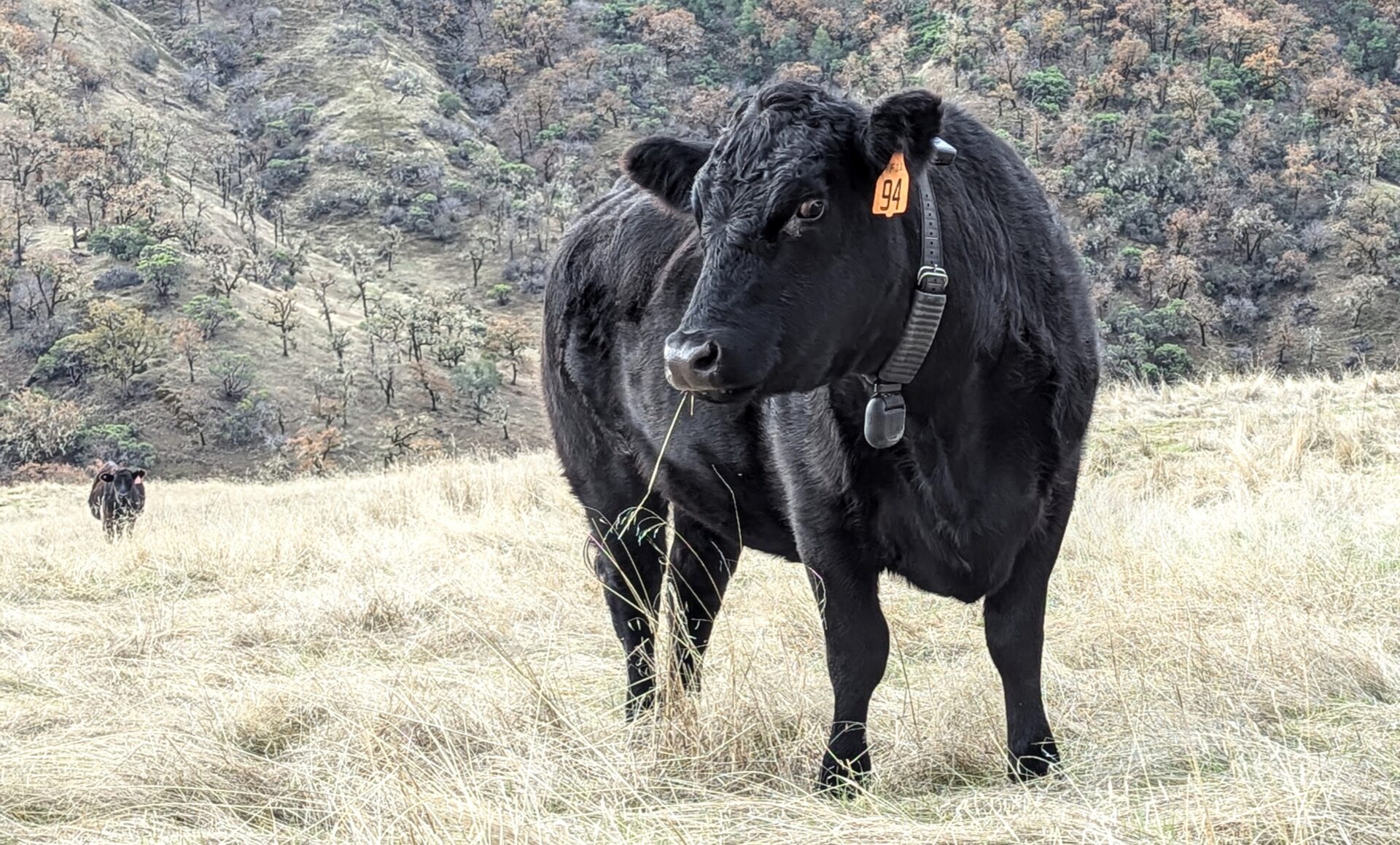
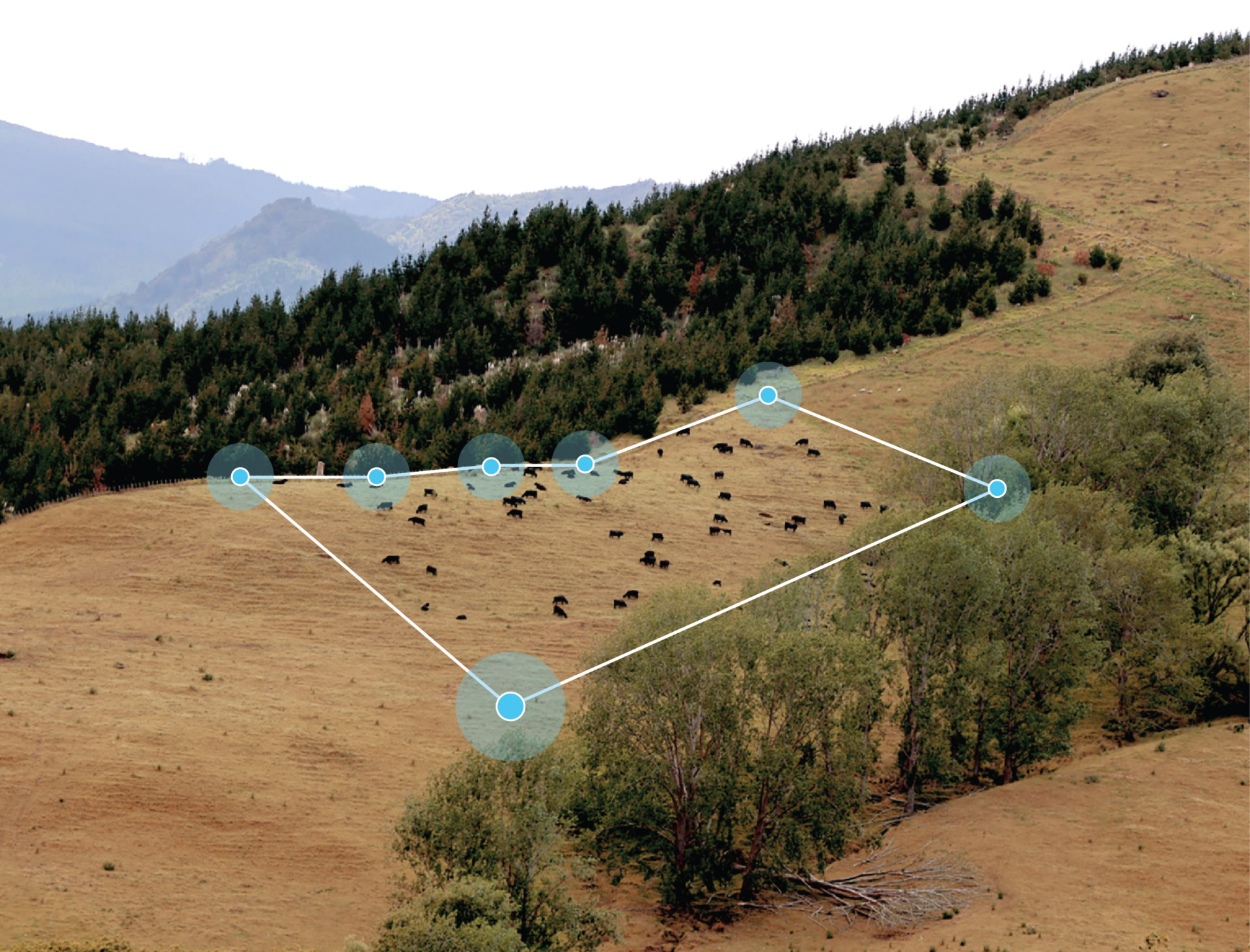
Halter’s technology works by equipping cows with solar-powered collars connected to transmission towers. When animals approach virtual boundaries, the collars emit sounds and vibrations, guiding them without physical fences.
This system enables rotational grazing, a method known to improve both soil health and livestock productivity, while reducing infrastructure costs.
“The reason you get Halter is to help grow and harvest more grass, get more capacity out of your land,” said Piggott.
He added that the technology allows farmers to increase stocking rates and optimize land use, with some operations reportedly doubling productivity.
More than agtech
Despite being categorized as an agtech company, Piggott insists Halter’s vision goes further:
“We feel we shouldn’t be constrained by [only going to] agtech investors.”
For the founder, the focus is on building tools that deliver real value to farmers. The company’s broader mission is to make global land use more productive and sustainable, aligning with trends in regenerative agriculture and climate-conscious farming.
Growth, challenges, and expansion
The adoption of virtual fencing requires a shift in mindset, as farmers must adapt their management practices to fully benefit from the technology.
“You need to be willing to use the product and change what you were doing,” Piggott said.
Operational challenges also remain, including the need for reliable connectivity and the occasional failure of hardware. However, the company claims these issues are becoming less frequent.
Looking ahead, Halter plans to expand into Europe and South America, while strengthening its presence in existing markets. The company also announced plans to hire 200 new employees, focusing on engineering, product development, and customer support.
At a time when agrifoodtech funding is under pressure, Halter’s rapid growth signals that high-impact, data-driven solutions in agriculture continue to attract strong investor interest.