A global fertilizer crisis triggered by disruptions in the Persian Gulf is already impacting farmers’ decisions in the United States and beyond, with higher costs, limited supply and earlier planting windows expected to reduce both yields and planted acreage in 2026.
Farmers are adjusting planting strategies as fertilizer availability tightens and prices surge, a situation that could ripple across global food systems. According to AgFunderNews, US farmer Russell Hedrick warned that the situation is already forcing difficult decisions on the ground.
“Most of the farmers I met and spoke with over the last month are not secured for their spring fertilizer,” he said, noting that supply gaps were compounded by an earlier planting season. His own operation had to secure inputs quickly as suppliers were not fully stocked.
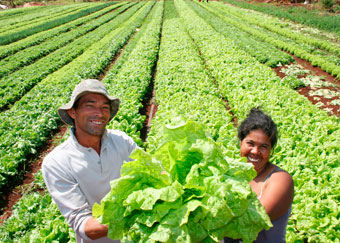
The cost pressure is significant. Hedrick estimates his fertilizer expenses increased by at least $15,000 to $20,000, pushing him to apply only the minimum needed to plant crops. This shift is not isolated. Across farming regions, producers are reducing input use, switching crops or even abandoning land leases.
“I think you will see a massive decline in both yield and acres,” he predicted. “Some farmers are abandoning leases, some are switching crops and others are just using fewer inputs.”
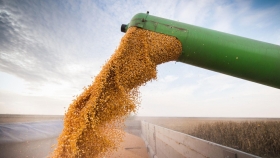
One of the clearest signals of stress is the shift from corn to soybeans, as soy requires less fertilizer. Reports from industry meetings suggest acreage changes could reach up to 40% in some areas. At the same time, reduced fuel use is leading to lower tillage intensity, adding further pressure on productivity.
“The earlier yield numbers produced back in February are a pipe dream at this point,” Hedrick added, highlighting how quickly expectations have deteriorated.
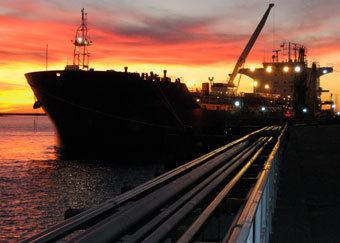
The crisis is tied to broader geopolitical and supply chain disruptions. The Persian Gulf is a critical hub for global fertilizer trade, and any disruption affects prices worldwide. Analysts note that fertilizer markets were already tight before the conflict, due to export restrictions and high energy costs in key producing regions.
Francis O’Sullivan explained that even countries with strong domestic energy production are not insulated. “When one-fifth of global supply is disrupted, the price of every barrel rises — regardless of where it was pumped,” he said, referring to interconnected global markets.
Fertilizer prices reacted immediately. Urea prices at the port of New Orleans rose sharply in early March, while phosphate and nitrogen-based fertilizers also increased. These cost spikes are directly influencing farm-level decisions and global output expectations.
The implications extend beyond the US. In import-dependent regions such as India and parts of Africa, higher prices may lead to severe reductions in fertilizer application. Francisco Martin-Rayo warned that for many farmers, especially smallholders, higher prices do not mean using less fertilizer, but potentially facing crop failure.
Global food prices could also rise. Estimates suggest increases of 12% to 18% by the end of 2026 if supply constraints persist and yields decline.
Industry groups are calling for policy responses. US agricultural organizations have urged authorities to ease import restrictions on fertilizers and improve supply logistics. Meanwhile, the American Farm Bureau Federation warned that failure to act could lead to disruptions in the food supply chain comparable to those seen during recent inflation spikes.
The current situation highlights a structural vulnerability in agriculture: heavy dependence on globally traded inputs such as fertilizer. As planting decisions made now will determine harvest outcomes later, the effects of this crisis are expected to become more visible in the coming months.