The global carbon market is facing renewed scrutiny after Microsoft, the world’s largest buyer of carbon removal credits, adjusted the pace of its purchases in 2026, triggering debate over the sector’s credibility, effectiveness, and long-term viability, according to AgFunderNews.
Microsoft clarified that its carbon removal program continues, but acknowledged it may “adjust the pace or volume” of procurement as part of a broader sustainability strategy. Despite that reassurance, the move amplified longstanding concerns about whether carbon markets can deliver real climate impact or if they are structurally flawed.
At the center of the debate is a fundamental tension. Supporters argue that carbon credits are a cost-effective mechanism to reduce emissions and finance climate solutions. Critics counter that many credits lack integrity, overstating their environmental benefits and enabling companies to offset emissions without meaningful change.

Over the past decade, especially after the Paris Agreement, major corporations have purchased millions of carbon credits to meet climate commitments. However, greenwashing concerns, weak financial returns, and high-profile investigations have eroded confidence.
Climate expert Joseph Romm emphasized the urgency of the challenge, noting that global emissions remain extremely high and that carbon removal will be necessary. However, he warned that the current system is deeply problematic. Research he co-authored described carbon market failures as “systematic” and “intractable,” pointing to issues such as additionality, double counting, and verification gaps.
These flaws mean that some credits may deliver far less impact than claimed. Investigations into forest carbon projects, widely cited in recent years, suggested that certain offset programs overstated their effectiveness, raising doubts about whether emissions reductions were real.

Criticism goes beyond technical flaws. Some industry voices argue that carbon markets allow companies to continue polluting while purchasing offsets as a form of reputational protection. One executive compared the system to “medieval indulgences,” suggesting companies are effectively paying to absolve environmental impact without reducing emissions.
Despite these criticisms, other players see signs of market maturity. Companies like Indigo Ag highlight stricter standards and improved methodologies as evidence that carbon markets are evolving. The introduction of certifications such as the Core Carbon Principles (CCPs) aims to ensure higher-quality credits with verified climate benefits.
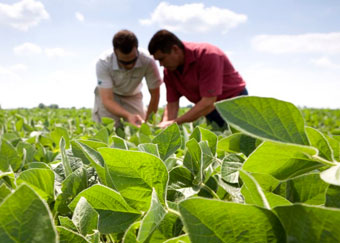
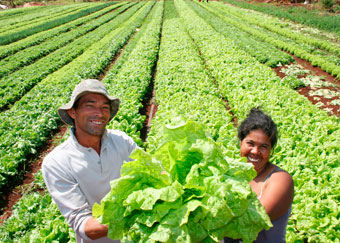
Supporters argue that these frameworks can restore trust by setting clear benchmarks for transparency, durability, and environmental integrity. They also emphasize the growing role of agriculture, particularly soil carbon sequestration, as a scalable solution.

Another emerging approach is carbon insetting, where companies invest in emissions reductions within their own supply chains rather than buying external offsets. This model is gaining traction because it directly addresses Scope 3 emissions and aligns environmental goals with business performance.
Proponents say insetting improves supply chain resilience and creates tangible benefits for farmers, while also reducing reliance on potentially low-quality credits. It also addresses concerns around permanence by encouraging long-term commitments rather than short-term transactions.
Still, a key challenge remains: ensuring that farmers and project developers receive meaningful financial incentives. Without sufficient funding flowing to the supply side, experts warn that large-scale climate solutions will struggle to materialize.

Looking ahead, there is broad agreement that carbon markets are not disappearing, but their future depends on stronger governance. Experts call for regulatory oversight similar to financial markets, with independent verification systems and enforceable standards.
Without such reforms, the market risks becoming a race to the bottom, where low-cost, low-quality credits dominate. As Romm noted, the absence of accountability allows weaker projects to crowd out higher-quality ones, undermining trust and effectiveness.

The current moment reflects a turning point. Carbon markets are being forced to evolve, balancing credibility, scalability, and financial viability. Whether they emerge as a mature climate solution or remain a contested mechanism will depend on how effectively these structural challenges are addressed.