Ayana Bio and Brevel have secured a $1.25 million grant from Israel’s BIRD Foundation to investigate whether illuminated fermentation technology can significantly improve plant cell culture production. The project brings together a US-based plant cell culture company and an Israeli food-tech startup specializing in light-assisted fermentation systems.
The collaboration is relevant because plant cell culture is emerging as a promising method to produce high-value botanical ingredients in controlled environments, reducing dependence on traditional agriculture and vulnerable supply chains.
According to AgFunderNews, the research will focus on determining whether light can become an additional variable for improving plant cell growth, productivity, and the production of valuable bioactive compounds.
Ayana Bio, a company spun out of Ginkgo Bioworks, develops botanical ingredients through plant cell culture technology. Instead of growing entire plants in fields, the company cultivates plant cells in bioreactors under highly controlled conditions. This approach aims to provide a reliable supply of ingredients regardless of weather conditions, seasonal fluctuations, or agricultural disruptions.
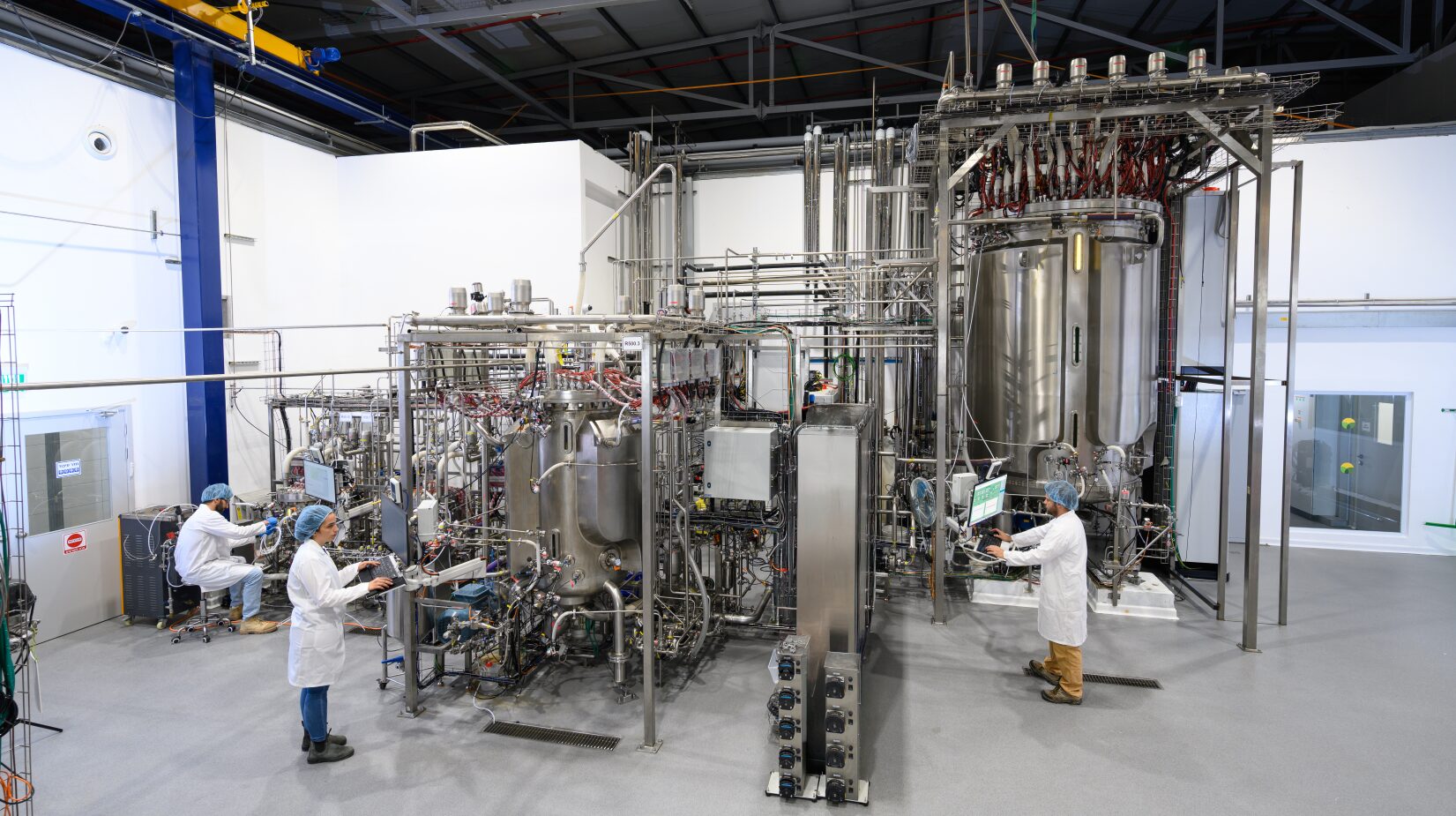
Brevel has developed an illuminated fermentation platform that combines traditional sugar-based fermentation with LED lighting. The company originally applied the technology to the production of chlorella biomass, proteins, and lipids but is now expanding its platform to support other biotechnology applications.
According to AgFunderNews, Brevel CEO Yonatan Golan said: “We have had very nice successes already with cocoa and coffee [in plant cell culture], and beside the work with Ayana Bio we have additional partners we are now signing with.”
The objective of the new project is to evaluate whether light can act as a trigger for the production of secondary metabolites and increase yields in plant cell culture systems.
Ayana Bio CEO Frank Jaksch explained the opportunity, telling AgFunderNews: “The BIRD grant will allow us to do the research on our plant cell lines to find out if using light is a variable that will improve plant cell production.”
He added: “Now that Brevel has been working on scalable lighting options for large tanks we would like to explore the use of light as an additional variable to improve plant cell growth and bioactive production.”
The companies believe the technology could play a significant role in scaling the production of botanical ingredients used in food, nutrition, and health applications.
Ayana Bio has already developed more than 100 plant cell lines and is currently prioritizing commercial development of sage for rosmarinic acid, saffron for crocins, and marigold for zeaxanthin and lutein. According to AgFunderNews, the company is also advancing regulatory work and preparing submissions related to natural ingredient production.
One of the biggest challenges facing the plant cell culture sector is achieving commercial-scale production at competitive costs. Industry participants believe larger bioreactors and improved production efficiency will be critical to making plant cell-derived ingredients commercially viable.
According to AgFunderNews, both companies view this research as an important step toward scaling plant cell culture and expanding the range of sustainable alternatives available to food and ingredient manufacturers.
As climate pressures, supply chain disruptions, and demand for sustainable ingredients continue to grow, technologies such as plant cell culture, illuminated fermentation, and controlled-environment biomanufacturing are attracting increasing attention from investors and industry leaders.