Can non-thermal plasma transform seed treatment in agriculture?
Sylvarum says its technology is ready for commercial scale after successful pilot programs across Latin America, Europe and the United States
jueves 02 de julio de 2026
Non-thermal plasma technology is moving beyond laboratory research and into commercial agriculture, according to Argentine startup Sylvarum. Following five years of field validation and pilot projects in Latin America, Europe and the United States, the company says its seed treatment platform is ready for large-scale adoption, offering improvements in germination, seed vigor, disease control and crop productivity. According to AgFunderNews, the company has developed what it describes as the world's largest plasma reactor designed specifically for industrial seed treatment.
The technology uses high-voltage electrical discharges to generate non-thermal plasma, often referred to as the fourth state of matter. This process creates reactive particles that improve seed performance through three main mechanisms: controlling seed-borne fungal pathogens, increasing water absorption to accelerate germination, and stimulating natural biological signals that strengthen plant development.
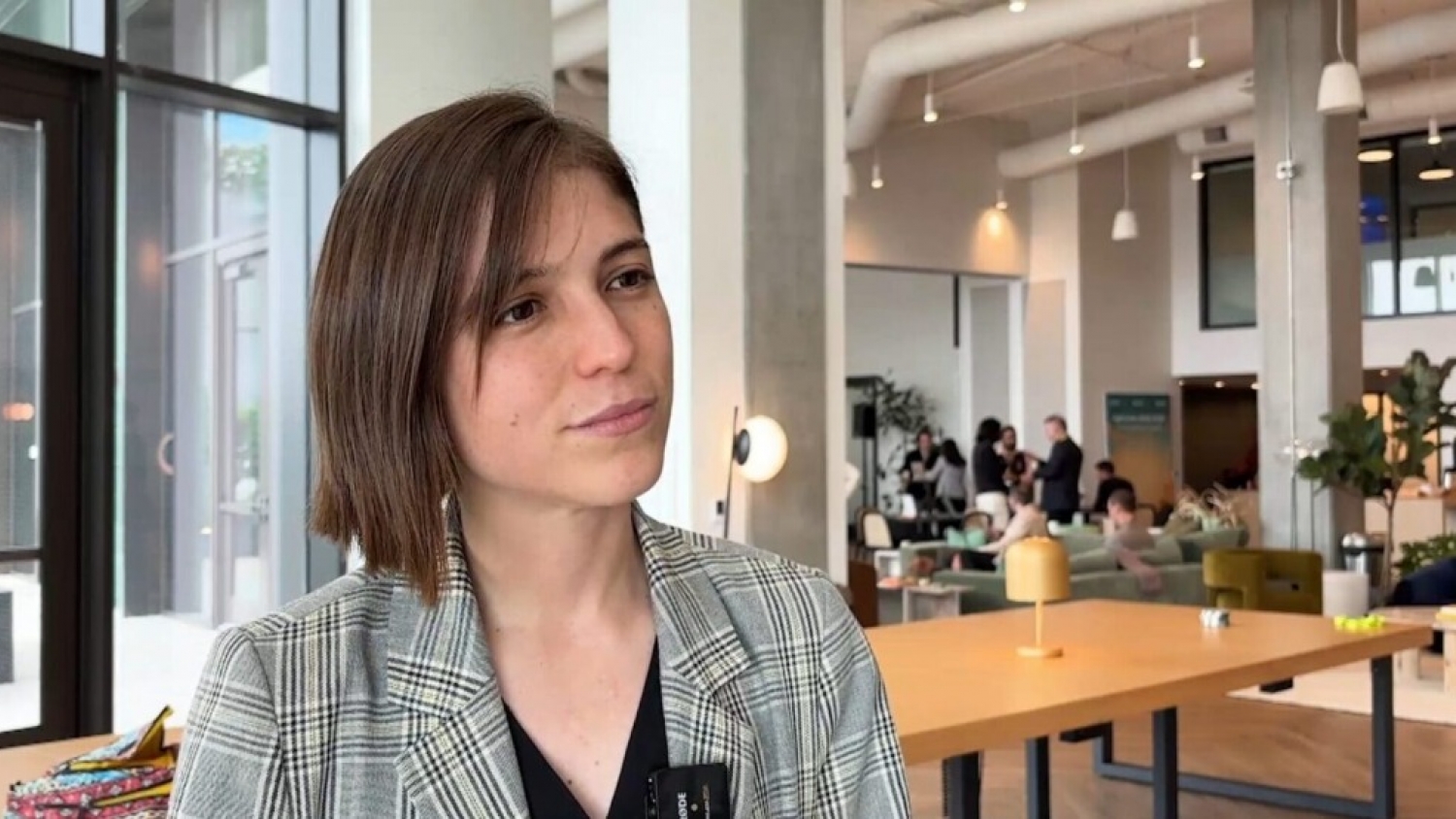
According to AgFunderNews, Sylvarum CEO Guadalupe Murga explained that different plasma "recipes" produce different effects, making the treatment highly specific for each crop and seed variety. She emphasized that selecting the correct plasma combination is essential because some formulations can enhance seed performance while others may damage it.
The company says one of its biggest achievements has been solving the challenge of industrial-scale processing. Unlike previous plasma systems designed for laboratory use, Sylvarum's continuous reactor is capable of integrating directly into seed processing facilities, targeting major field crops such as soybeans, corn, wheat, barley and sunflower.
Murga noted that developing the first commercial treatment required five years of research, but the growing database now allows new plasma recipes to be developed in just a few months. This significantly reduces the time needed to adapt the technology to new crops and production environments.
According to AgFunderNews, Sylvarum has already completed five growing seasons of field validation and is currently running seven commercial pilot programs with seed companies and food industry partners. The company aims to reach ten active pilots before the end of the year.
One of the strongest commercial applications involves addressing seed dormancy, a natural process that delays germination after harvest. Murga said one customer loses around $1 million annually because dormant seeds cannot be sold immediately. Sylvarum's treatment reduces dormancy time by approximately threefold, creating a strong economic return for seed companies.
Beyond improving germination, the technology also reduces the presence of seed-borne pathogens such as Fusarium and Phomopsis while preparing seeds to better withstand environmental stress and diseases after planting. The plasma treatment can also be combined with conventional chemical products or biological seed treatments, allowing it to fit into existing agricultural production systems.
Another emerging application is the malting industry, where plasma treatment accelerates barley germination and water absorption, potentially increasing productivity at malt processing facilities.
Murga also highlighted that the technology leaves no chemical residues and does not genetically modify seeds, simplifying regulatory requirements in many markets. According to AgFunderNews, current regulations mainly focus on manufacturing standards rather than requiring approval as a pesticide or genetically modified organism.
Despite the technical progress, the company acknowledges that market adoption remains a challenge because some seed companies experimented with earlier plasma technologies that delivered inconsistent results. Murga argued that advances in reactor design and treatment precision have significantly improved performance and scalability, positioning non-thermal plasma as a viable commercial solution for modern agriculture.
Invertí en periodismo de calidad
En Agroempresario trabajamos para acercarte contenidos que agregan valor.