By Agroempresario.com
As Groundswell, affectionately dubbed the “Glastonbury of the farming world,” grows in prominence, it draws a diverse crowd interested in regenerative agriculture. Traditionally focused on soil health, this year’s event expanded to include investors and other key stakeholders in the agriculture and food value chain.
For investors in the regenerative agriculture space, Groundswell provided invaluable insights into the evolving landscape. Here are four critical takeaways from the festival:
Exploring biodiversity net gain opportunities
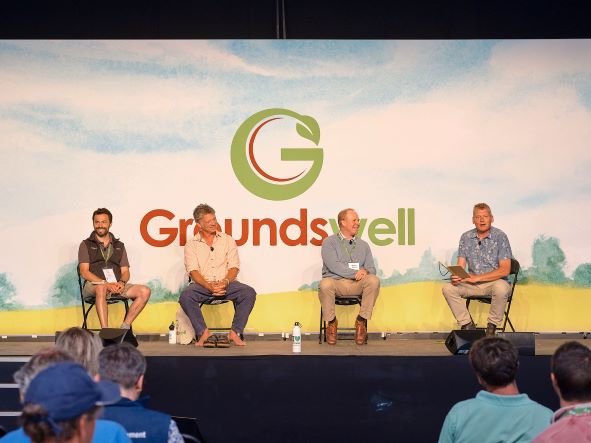
Biodiversity net gain (BNG) credits emerged as a significant topic at Groundswell, with several sessions dedicated to helping farmers navigate this emerging revenue stream. Panels featuring seasoned farmers, advisors, and legal and financial experts offered practical advice on integrating BNG into farm operations. The discussions highlighted the importance of understanding the costs and timelines associated with transitioning land to biodiversity habitats. Early experiences suggest that these projects may incur higher costs than anticipated, making it crucial for farmers to accurately assess and price these credits.
For investors, BNG credits present a promising area similar to carbon credits, as both mechanisms reward positive environmental outcomes. As we explore BNG as an investment opportunity, it's clear that these credits can complement existing carbon credit markets, offering diverse pathways for environmental impact and revenue generation.
Health and nutrition: a growing focus
Groundswell 2024 emphasized the link between soil health and human nutrition. The concept that “healthy soil equals healthy plants equals healthy people” gained traction, with new evidence suggesting that regenerative agriculture can lead to more nutrient-dense, healthier food. This connection between soil health and food quality is still under research, but preliminary findings indicate that regenerative practices can reduce pesticide residues and enhance nutrient profiles.
This growing body of research supports the potential for regenerative agriculture to drive consumer behavior shifts, potentially leading to higher premiums for high-quality, nutrient-rich foods. For investors, this represents an opportunity to support a movement towards more sustainable and health-conscious food production.
Building resilience through plant health
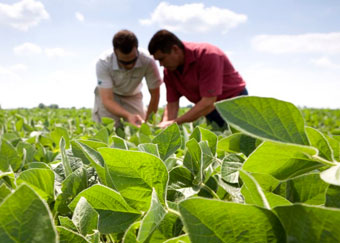
Resilience was another key topic at Groundswell, intersecting with economic considerations. John Kempf, a pioneer in regenerative agriculture, highlighted the importance of plant health for building resilience against pests and diseases. According to Kempf, healthier plants, which are better understood through advanced techniques like sap analysis and genomics, perform better and are more resilient.
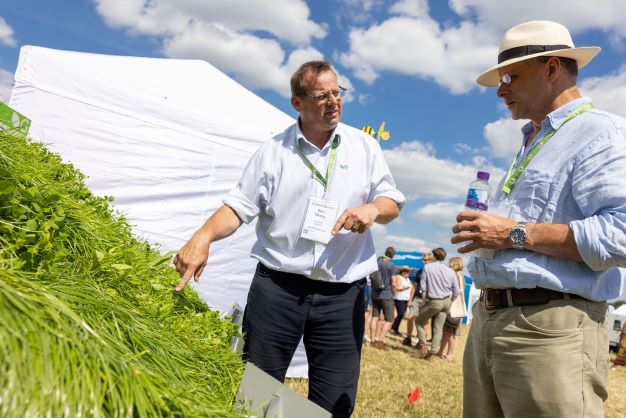
Investors should note that focusing on plant health can enhance the economic viability of regenerative agriculture from the outset. By supporting data-driven approaches to plant health optimization, investors can foster more resilient farming systems and capitalize on their long-term benefits.
Ground-up perspectives on soil health
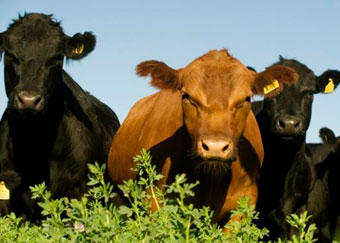
Martha Lindstad, a rancher from the SLM Livestock Australia Fund, shared her insights from Groundswell, stressing the need for systemic changes to sustain future food production. “Our food system needs to evolve to improve soil health,” Lindstad remarked. Her experience underscores the festival's affirmation that the future of farming hinges on innovative practices that prioritize soil health.
Groundswell 2024 provided a wealth of knowledge for investors looking to support regenerative agriculture. From understanding biodiversity credits to leveraging insights on plant health and nutrition, the event highlighted the dynamic opportunities within this sector. By aligning investments with these emerging trends, investors can contribute to a more sustainable and resilient agricultural future.