By Agroempresario.com
Some call me Mr. Foodtech, but a more accurate name might be Mr. Gluttony. My love for food and drink has been boundless for most of my life, leading to a somewhat rounded figure and a constant worry about diabetes and heart disease. Despite my concerns, I never changed my lifestyle—until Wegovy entered my life.
The impact of GLP-1 drugs like Wegovy, Ozempic, and Saxenda has been nothing short of transformative, leading me to reconsider the future of food. These drugs represent a watershed moment with the potential to shift the direction of humanity, warranting a strategic rethink for every company in today’s food value chain.
Obesity not only affects individuals but also imposes significant costs on society. A recent study from Maastricht University estimated that an overweight or obese person costs society an average of €11,500 annually, factoring in healthcare expenses and productivity losses. While systemic prevention measures like sugar taxes are slowly being implemented, medication offers an immediate solution for individuals. My GP had no hesitation in prescribing Wegovy to me.
GLP-1 drugs, such as Wegovy, are a class of diabetes medication that helps regulate appetite and reduce hunger, leading to significant weight loss. These drugs also improve blood sugar levels through enhanced insulin secretion. As biotechnology advances, we can expect a flood of alternatives to enter the market, increasing availability and reducing prices, especially with contributions from Big Pharma in China and India.
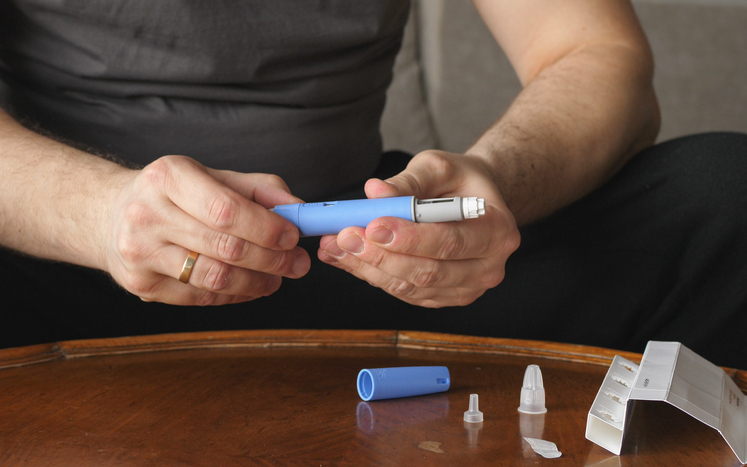
Currently, the high cost of these medications limits access, but as prices fall, more people will incorporate them into their budgets, and national healthcare systems will likely start prescribing them based on cost-benefit analyses. This could lead to a significant reduction in obesity rates, transforming food systems in the process.
In my own experience, after just over three months on Wegovy, I have lost nearly 10% of my body weight, transitioning from obese to merely overweight. My food intake has reduced by at least 25%, and my cravings for fast food, snacks, and heavy foods like beef and cheese have diminished. Even my wine consumption has decreased, leading to overall healthier eating habits.
This change has had a noticeable impact on my food budget, as I spend less on food and more on medication. This shift in spending highlights a significant trend: as more people adopt these drugs, the food industry will likely see a decline in profits, particularly in sectors like fast food, snacks, beef, cheese, and other high-fat, high-sugar products.
The implications extend beyond the food industry. Healthcare services such as gastric bypass surgeries and treatments for obesity-related conditions may see reduced demand. This anticipated transformation calls for strategic thinking about what a thinner world will look like and how industries must adapt.
For those within and outside the food sector, it's time to consider the potential of a healthier future driven by the widespread use of GLP-1 drugs. This shift could lead to profound changes in consumer behavior and industry dynamics, making it essential to prepare for the coming transformation.