By Agroempresario.com
A significant portion of the global population faces extreme water stress, yet innovative solutions are on the horizon, driven by the latest FoodShot Global innovation challenge. This nonprofit, which focuses on issues related to food, agriculture, and the environment, has highlighted key areas of progress in groundwater forecasting, sustainable aquaculture, and support for smallholder farmers.
Water is a crucial yet underappreciated resource in agrifoodtech, with over 70% of freshwater being used for agriculture worldwide. Despite the vast quantities of water on Earth, about 25% of the global population experiences severe water stress, with projections indicating that an additional billion people will be affected by 2050.
FoodShot Global collaborates with a range of partners, including venture funds, banks, corporations, foundations, universities, and non-profits, to award up to $10 million in equity capital to innovative companies. The initiative also includes the “GroundBreaker Prize” for early-stage entrepreneurs.
Sara Eckhouse, Executive Director of FoodShot Global, explained that the selection process for applicants was thorough, involving written materials, interviews, and deliberations. The chosen winners were recognized for their novel technology and systemic solutions to complex challenges.
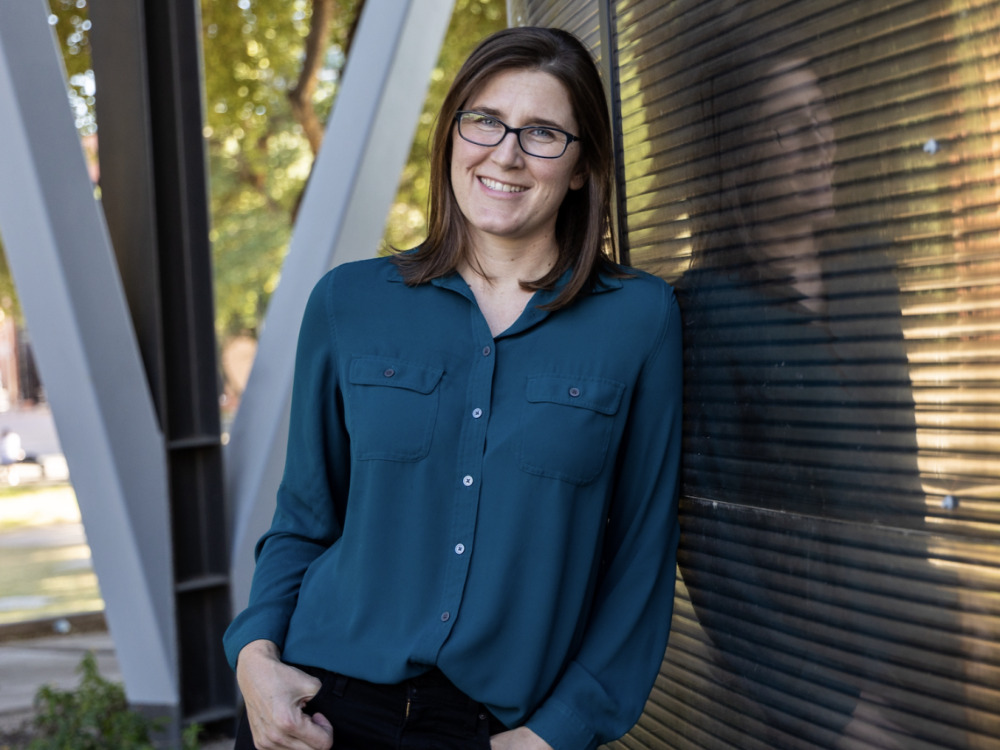
Dr. Laura Condon, Associate Professor at the University of Arizona and President and CEO of Hydro Futures, received $250,000 for developing advanced tools for forecasting groundwater and soil moisture. Her team’s national modeling platform simulates the entire terrestrial hydrologic cycle, allowing for more cost-effective irrigation and crop choices. With the funding, they plan to explore new capabilities in irrigated agriculture and apply their hydrologic tools to agricultural settings.

Dr. Daniel Russek, CEO of Atarraya, was awarded $150,000 for his “Shrimpbox” technology, which offers a sustainable approach to shrimp farming. This technology significantly reduces water usage by 98.33% compared to traditional methods, using biofloc technology to promote efficient water management and mitigate environmental impacts. Russek plans to use the funds to further develop and test biofertilizers derived from aquaculture systems.

Alexandra Pounds, Action Research Lead at ThinkAqua, received $80,000 for expanding the Resilient Aquaculture Designs (RAD) initiative in Uganda and Kenya. This initiative aims to support smallholder farmers by creating networks of locally owned hubs that provide market access, inputs, and technical support. RAD helps increase productivity, improve livelihoods, and enhance nutrition by using Black Soldier Fly larvae as both feed and organic fertilizer.
Eckhouse praised the community engagement and adoption of circular economy models demonstrated by the RAD initiative, highlighting its potential to increase productivity and diversify livelihoods for smallholder fish farmers in East Africa.
These innovations underscore the potential for technology to address the pressing issue of global water stress, offering promising solutions to ensure a more sustainable and equitable future.