At a time when the cultivated meat sector is undergoing a sharp correction, Dutch startup Mosa Meat has raised €15 million ($17.6 million) to continue developing its technology and prepare for an initial market rollout. The funding comes just days after peer companies Meatable and Believer Meats announced they were shutting down operations, citing an inability to secure additional capital.
According to AgFunderNews, the new round follows a €40 million ($47 million) raise in early 2024 and was backed by a mix of public and strategic investors, including Dutch state-owned impact investors Invest-NL and LIOF, Germany-based meat producer PHW Group, and Jitse Groen, founder of Just Eat Takeaway.com. With this latest investment, Mosa Meat has now raised close to €150 million ($176 million) since its founding.
Other backers in previous rounds include Lowercarbon Capital, M Ventures, Nutreco, Mitsubishi, and actor and climate advocate Leonardo DiCaprio, reflecting the company’s long-standing appeal to investors focused on sustainability and food system transformation.
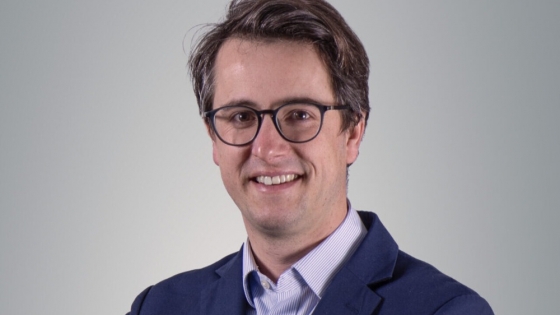
Mosa Meat CEO Maarten Bosch emphasized that the company’s strategy prioritizes scientific rigor and cost discipline over rapid expansion. “When we introduced the first cultivated burger, it was a €250,000 proof of concept,” Bosch said, as quoted by AgFunderNews. “Today, through fundamental scientific breakthroughs and scaling efficiencies, we are producing burgers at a price point ready for restaurant menus.”
Founded in 2016, Mosa Meat was one of the first companies globally to showcase a cultivated beef burger, helping to put lab-grown meat on the global food innovation map. Since then, the company has focused on reducing production costs, improving product quality, and navigating regulatory pathways rather than racing toward mass-scale commercialization.
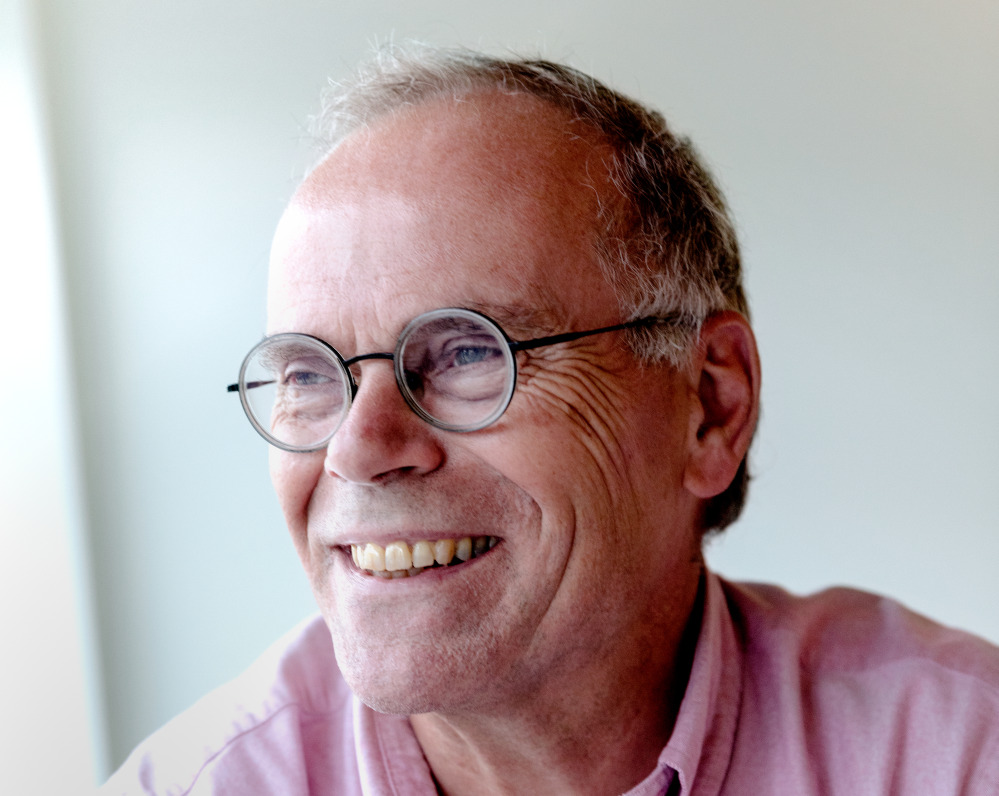
Bosch confirmed that regulatory dossiers are currently under review in the UK, the European Union, Switzerland, and Singapore, a key step toward commercial approval. The company believes that securing regulatory clearance and achieving viable unit economics must come before large-scale production.
The latest funding round is being viewed by industry observers as a rare positive signal in a sector facing consolidation and investor skepticism. As noted by Victor Meijer, investment principal at Invest-NL, “Investing in cultivated meat is challenging and requires stamina. The company’s strong team, solid progress and continued support from existing shareholders give us confidence to continue our support in this next phase,” he told AgFunderNews.
The cultivated meat industry has seen a wave of startup closures over the past year as capital markets tightened and expectations around timelines and costs were recalibrated. For Mark Post, Mosa Meat cofounder and chief scientific officer, this shakeout is a natural phase in the evolution of an emerging deep-tech sector.
“The shakeout currently taking place in the industry is a natural phase of maturation, given the rapid influx of startups in recent years,” Post said in comments reported by AgFunderNews. He added that “developing this technology requires patience, scientific rigor, and a long-term horizon,” and stressed that Mosa Meat has deliberately adopted a “deep-biotech approach that prioritizes fundamentals over speed.”
According to Post, the company has achieved dramatic reductions in production costs over the past two years, but further progress is still needed before scaling. “We are laser-focused on the unit economics of scaling up,” he said. “We are confident those targets will be met, but we must reach them before scaling, not after.”
Public funding has also played a key role in Mosa Meat’s trajectory. Bosch highlighted that government support has been critical in enabling the company to advance its technology, drawing parallels with other transformative innovations such as renewable energy and battery storage. As reported by AgFunderNews, he noted that Mosa Meat’s founders first connected during a government-supported research project and that the Netherlands has provided sustained institutional backing.
This support includes investments from government-backed funds, as well as the creation of Cultivate at Scale, a pilot-scale production facility in Maastricht supported by the Dutch National Growth Fund. The company has also worked with Dutch ministries to establish a code of practice for pre-approval tastings, helping to pave the way for regulatory acceptance.
Currently, Mosa Meat operates bioreactors with capacities of up to 1,000 liters at its Maastricht facility. According to Bosch, this scale is sufficient to support an initial market introduction through selected restaurants. Future plans include the potential addition of 5,000-liter vessels, which would further reduce costs and enable larger volumes.
From a scientific standpoint, Mosa Meat has focused on cultivating both muscle and fat components to replicate the taste and texture of conventional beef. Published research cited by AgFunderNews shows the company working with bovine satellite cells for muscle and fibro-adipogenic progenitors (FAPs) for fat. These fat cells, Bosch explained, are key to delivering the “beefy and animalic taste” confirmed in tastings.
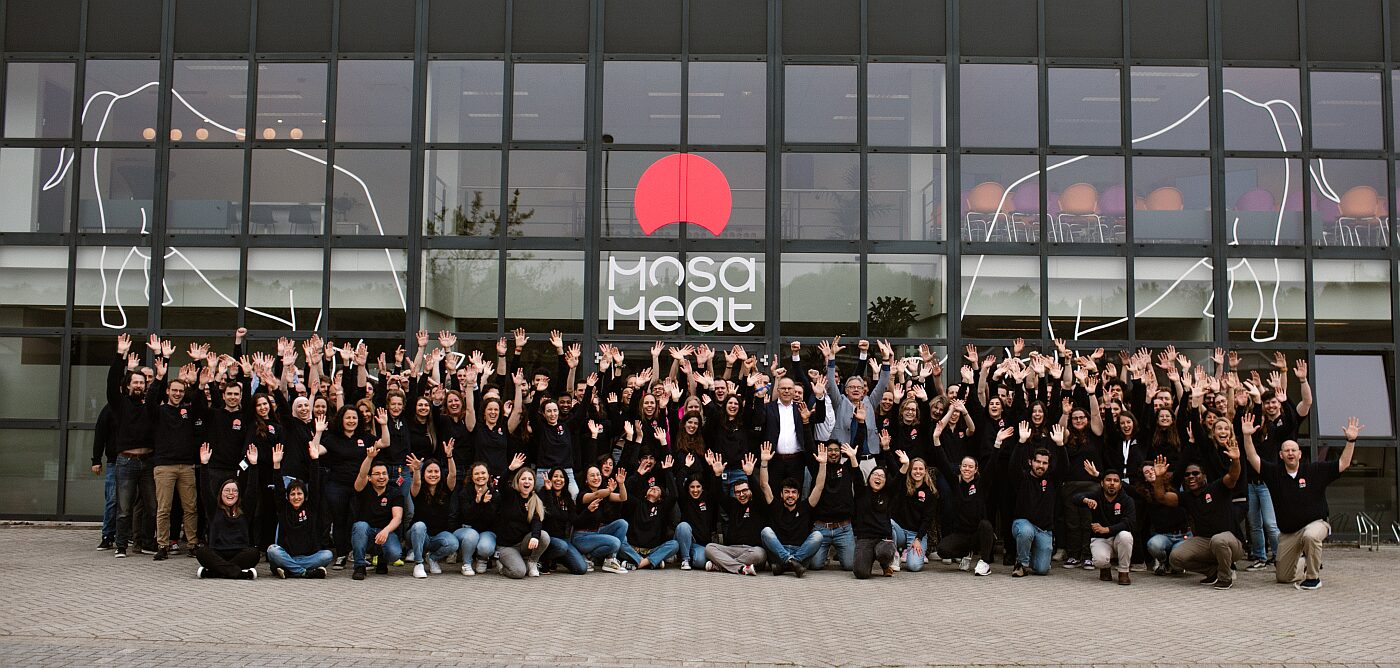
Despite the difficult funding environment, Bosch remains cautiously optimistic about the sector’s long-term prospects. While acknowledging the struggles of peer companies, he told AgFunderNews that 2025 has seen “significant progress” not only at Mosa Meat but across the broader cultivated meat field, particularly in cost reduction, product performance, and regulatory momentum.
As the industry enters a more selective phase, Mosa Meat’s latest funding round underscores a broader shift in investor sentiment: away from rapid scaling promises and toward companies that demonstrate technological depth, disciplined economics, and realistic commercialization pathways.