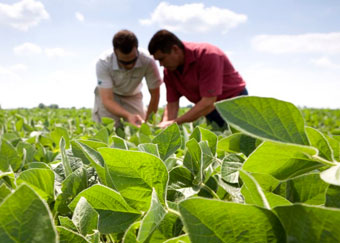
The United States Department of Agriculture (USDA) this week unveiled a $700 million Regenerative Agriculture Pilot program, a federal initiative designed to lower production costs for farmers adopting regenerative practices and to accelerate a nationwide transition toward healthier soils, water, and food systems. Announced in December 2025 in Washington, DC, and set to begin funding farmers in 2026, the program will be administered by the USDA’s Natural Resources Conservation Service (NRCS). Its relevance lies in both its scale and timing: it represents one of the most significant federal investments to date in regenerative agriculture, while also exposing deep divisions over how such transitions should be funded, implemented, and measured, according to reporting by AgFunderNews.
The pilot aligns with the administration’s broader Make America Healthy Again (MAHA) agenda and seeks to streamline access to conservation funding by allowing farmers to apply through a single application for multiple programs, including EQIP and CSP. Supporters say this could remove long-standing bureaucratic barriers and help farmers move more quickly toward practices such as cover cropping, silvopasture, improved water systems, and organic transition. Critics, however, caution that without sufficient staffing, safeguards, and policy coherence, the initiative risks repeating past mistakes or delivering uneven benefits.
Momentum for scaling regenerative practices
For many organizations working at the intersection of agriculture, climate, and food systems, the announcement signals a meaningful shift in federal priorities. Lauren Manning, executive director of Food System 6, wrote that the program “signals a major federal push to scale regenerative practices nationwide,” highlighting the importance of a streamlined conservation application that could speed up access to cost-share funding for farmers. According to AgFunderNews, advocates see this administrative simplification as a practical step that could determine whether smaller and mid-sized producers are able to participate at all.
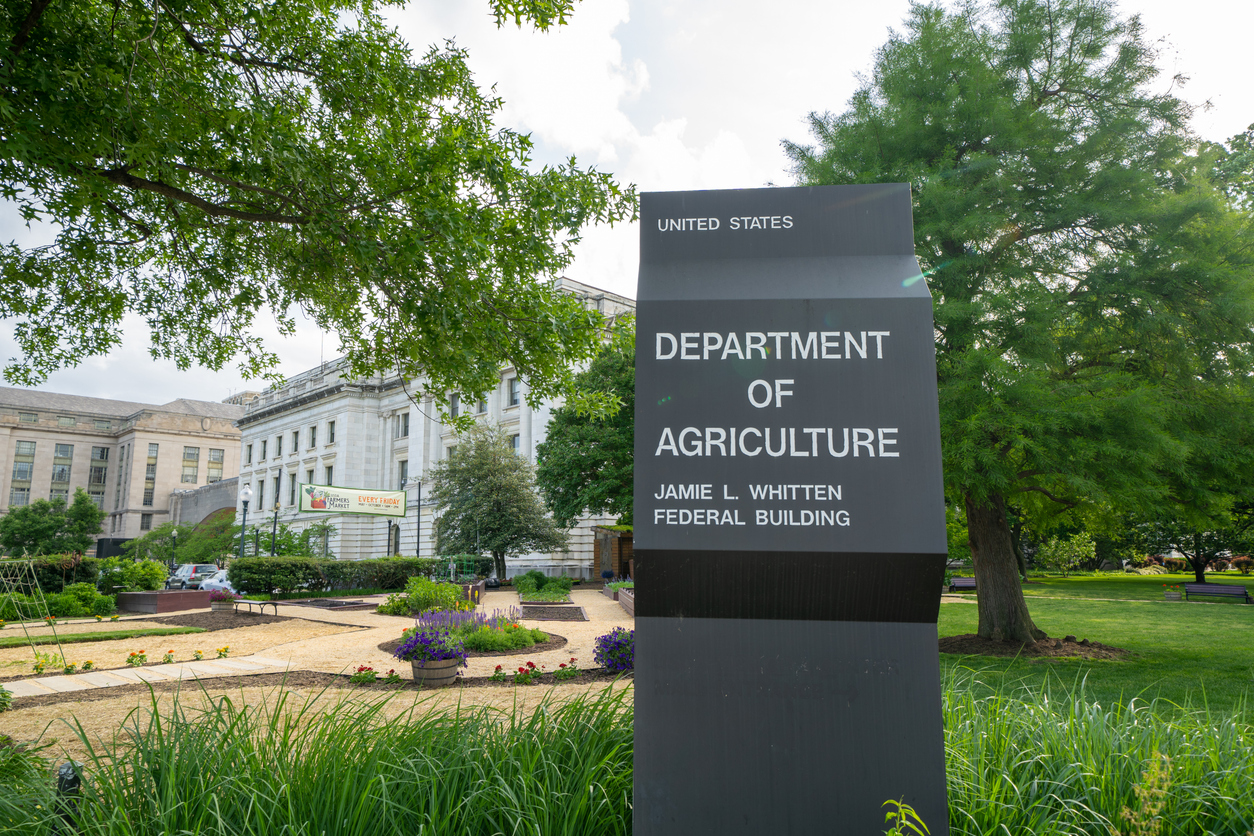
Tribal and regional farming organizations also welcomed the timing of the announcement. In Oregon, the Confederated Tribes of the Umatilla Indian Reservation (CTUIR) emphasized the potential benefits for land and water stewardship. “The Umatilla Tribe farms over 10,000 acres and has focused on protection of the land and water,” CTUIR director Bill Tovey told AgFunderNews. “The Tribe will benefit greatly by protecting water and soil. Building back soils will increase production and lead to lower fertilizer and chemical uses. Our hope is that the funding go directly to landowners and operators.”
From the private sector, companies already invested in regenerative and organic systems also expressed optimism. Craig Stevenson, CEO of Lundberg Family Farms, said the pilot reinforces the growing importance of responsible agriculture. “At Lundberg, we firmly believe regenerative and organic land management go hand-in-hand,” he told AgFunderNews, adding that bipartisan backing for such programs shows that “investing in regenerative and organic is not a political stance but a shared commitment” to farmers, rural communities, and long-term environmental health.
Health, agriculture, and institutional collaboration
Some observers pointed to the cross-departmental framing of the announcement as particularly notable. Robby Sansom, cofounder and CEO of Force of Nature, said it was encouraging to see agriculture explicitly positioned as a public health tool. “It is especially encouraging to see the cross-departmental collaboration between the institutions of health and agriculture,” he told AgFunderNews, noting that NRCS has historically received insufficient attention and funding despite its alignment with soil, water, and ecosystem health goals.
Sansom added that partnering with NRCS could help reinvigorate the agency’s mission if adequately supported. For proponents, this integration of health and agriculture reflects a broader understanding that soil health, nutrition, and environmental outcomes are deeply interconnected—and that regenerative practices can sit at the center of that nexus.
A step forward, with significant caveats
Despite the enthusiasm, multiple farm and environmental groups stressed that funding alone will not guarantee success. Angela Huffman, president and cofounder of Farm Action, called the investment potentially transformative if implemented correctly. “Done right, this investment will help farmers lower their input costs, break free from the export-driven commodity overproduction treadmill, and move toward healthier, more resilient, and more profitable farming systems,” she said, according to AgFunderNews.
However, Huffman warned that recent staffing cuts at NRCS could undermine the program’s goals. She argued that without enough trained staff to process applications and work directly with farmers, funds could be slow to reach the ground or skewed toward the largest operations. She also cautioned against a repeat of earlier initiatives, such as the Climate-Smart Commodities program, where multinational corporations captured a disproportionate share of funding.
Similar concerns were raised by Friends of the Earth US. Sarah Starman, a senior campaigner at the organization, said the initiative is “a step in the right direction,” but emphasized that regenerative agriculture depends on whole-farm, science-based planning. “Right now the agency lacks the army of specialists needed to help farmers design and implement those plans,” she told AgFunderNews, pointing to the need to reverse recent cuts to on-the-ground conservation staff.

Chemicals, crop insurance, and policy contradictions
Beyond staffing, critics highlighted deeper policy contradictions that could limit the pilot’s effectiveness. Sansom argued that while the pilot represents progress, the broader Farm Bill continues to incentivize practices that conflict with regenerative outcomes. He cited crop insurance rules that often require heavy chemical use, describing them as “antithetical” to the goals of soil regeneration, water quality, and ecosystem health.
Starman also focused on the role of synthetic pesticides and fertilizers, saying that phasing out harmful agrochemicals must be central to any credible regenerative program. She warned that the initiative’s incentives for Integrated Pest Management do not go far enough to help farmers “get off the pesticide treadmill,” and called for specific, measurable targets for reducing chemical use if the program is to deliver meaningful health and environmental benefits.
The broader political and economic context
Other voices urged policymakers to evaluate the pilot within the wider landscape of federal agricultural spending. David Murphy, founder of United We Eat, described the announcement as “a significant step in the right direction,” but noted that in the same year USDA cut more than $1 billion from local and regional food programs, including farm-to-school and farm-to-food-bank initiatives. Those programs, he said, provide essential markets for regenerative farmers and are critical to building resilient food systems.
From an investment perspective, Sarah Day Levesque, founder of the Regenerative Food Systems Investment Forum, said the pilot sends a strong signal that regenerative agriculture is a viable and necessary investment. She told AgFunderNews that she is encouraged by the focus on topsoil protection, reduced administrative burdens, and stronger links between soil health and human health outcomes. At the same time, she cautioned that cuts to agriculture programs in 2025 disproportionately affected regenerative and climate-smart initiatives, making execution and follow-through the true test of impact.
As Sansom noted, a pilot program is, by definition, an experiment. “What happens next is the real test,” he said, emphasizing that consumer demand and market pressure will continue to play a decisive role alongside government action. For now, the USDA’s regenerative agriculture pilot stands as both a landmark investment and a reminder that transforming the food system will require sustained funding, coherent policy, and careful implementation to move from promise to practice.