Koppie secures new investment to scale pea-based coffee alternative to 1,000 tons by 2026
The Belgian startup will expand production capacity with backing from DOEN Ventures as it prepares hybrid coffee launches with industry partners
Belgian FoodTech startup Koppie has raised new funding from DOEN Ventures to scale production of its pea-based coffee alternative to 1,000 tons by 2026, aiming to supply its first commercial launch partners. The investment, reported by AgFunderNews, strengthens the company’s position as it prepares to bring hybrid coffee products to market amid growing concerns over climate risks, supply volatility and long-term price pressures in the global coffee sector.
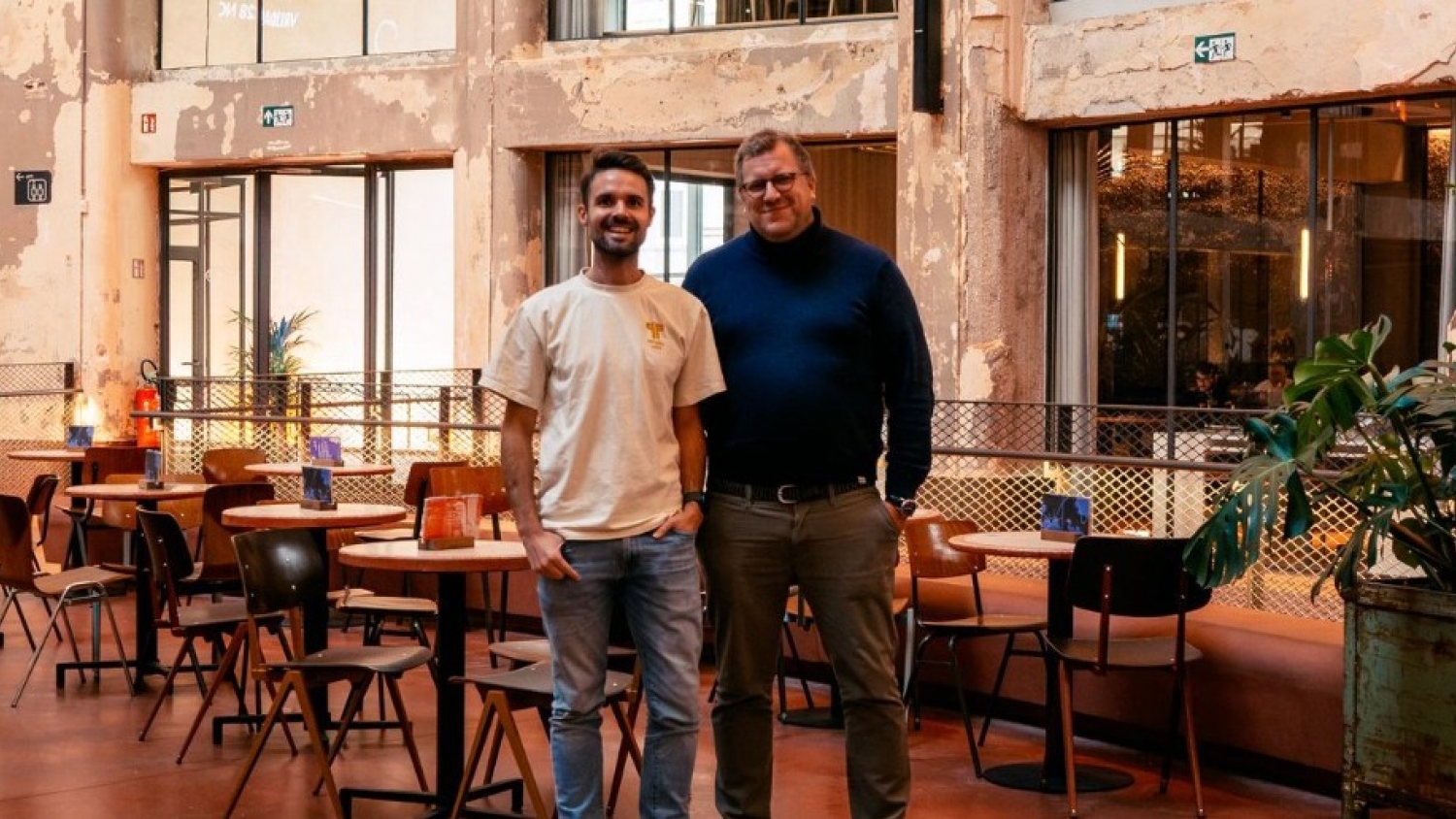
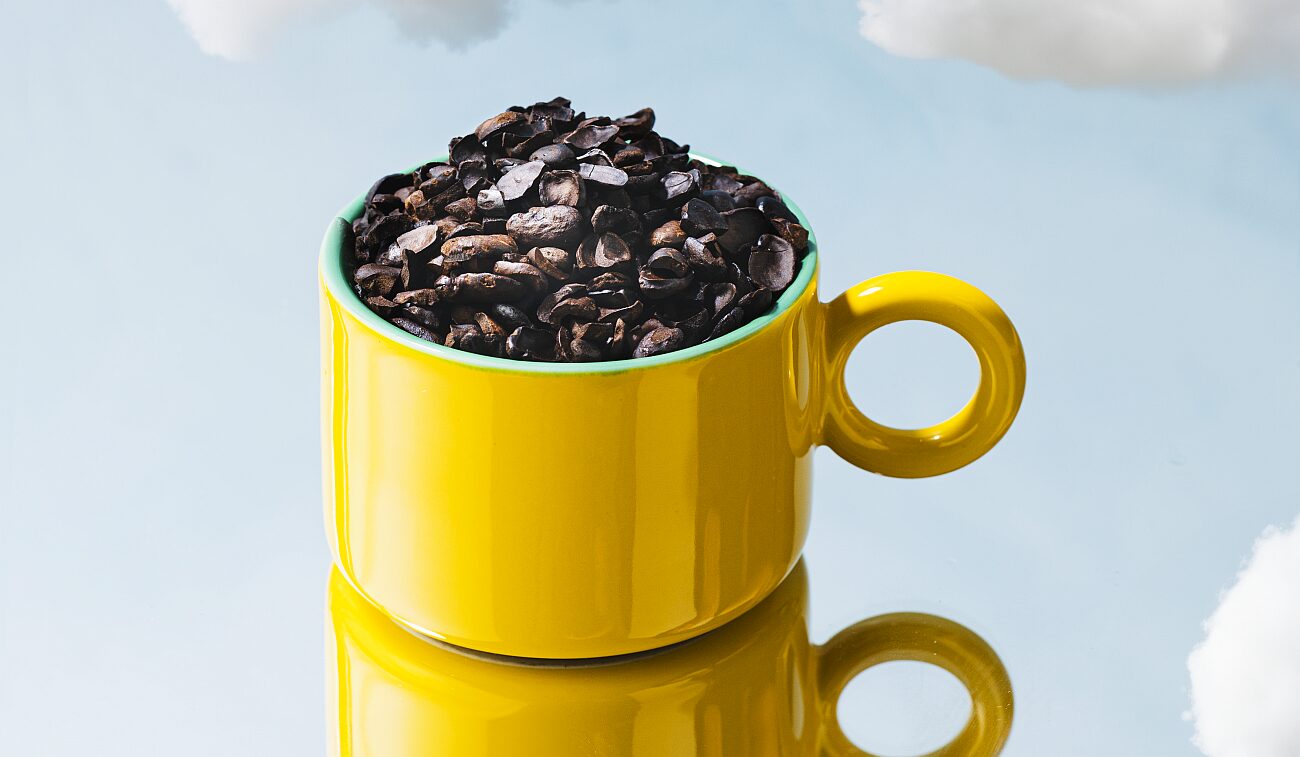
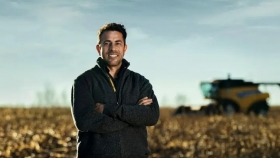
The company, founded by Daan Raemdonck and Dr. Pascal Mertens, produces a single-ingredient alternative made from peas using patent-pending fermentation and roasting technology. The process transforms pulses into “beans” that can be ground and brewed similarly to conventional coffee. While the financial terms were not disclosed, the round brings Koppie’s cumulative funding to more than €2 million ($2.4 million). The company also secured support through the Food Pioneer Accelerators program, which assists agrifood startups in Belgium and the Netherlands with manufacturing scale-up.
The expansion follows a successful four-ton industrial trial run, which validated the scalability of its production process. “Our focus now is on further cost optimization and scaling all product variants,” said cofounder Dr. Pascal Mertens.
Koppie operates under an asset-light model, leveraging existing industrial infrastructure rather than building its own facilities. “We chose an asset-light model where we tap into existing infrastructure. We have found partners that possess the right process steps and excess capacity we require. We’ve brought these partners on board and have successfully tested our process on their equipment. As a result, we have an indicative capacity of 1,000 tons available at the partner site,” cofounder Daan Raemdonck told AgFunderNews.
The company is currently in advanced commercial discussions with coffee roasters, retailers and ingredient manufacturers. Most potential customers are exploring hybrid blends combining traditional coffee with 15% to 50% Koppie beans, depending on brand positioning and pricing strategy.
“We are in advanced stages of testing and commercial discussions with a select set of partners. Virtually all of these are looking to create a hybrid, typically ranging from 15% to 50% Koppie blended in. The blend ratio really depends on the brand and concept objective, targeted price point, and the specific coffee blend,” Raemdonck said.
Beyond ground coffee applications, the startup also supplies concentrates for ready-to-drink beverages, ice cream and bakery products, where its ingredient can replace coffee at higher inclusion levels.
According to the founders, the fermentation stage is central to the technology. “The heavy lifting comes during the patent-pending fermentation process. The core of our technology is not necessarily around having developed specific [microbial] strains. It’s more how our strains work together, the conditions in which they work, and the sequence in which they work,” Raemdonck explained.
The company’s market positioning is closely tied to structural challenges facing the global coffee industry. Climate change is reducing the land suitable for Arabica cultivation, while demand continues to grow, particularly in emerging markets such as China and India. Studies suggest that by 2050, the area suitable for Arabica production could decline by up to 50%.
Price volatility remains another concern. Coffee harvests fluctuate significantly year to year, contributing to sharp swings in global markets. “Prices have come down from the extraordinary high of last year and further bumper crops are being projected,” Raemdonck noted. However, he cautioned that global inventories remain at a 20-year low, suggesting that structural pressures could reemerge within two to three years.
In that context, Koppie aims to position its product as both a sustainability solution and a cost-stabilizing ingredient for the coffee value chain. The company expects its first hybrid products to reach consumers by the end of this year, with larger-scale volumes available in 2026.
Invertí en periodismo de calidad
En Agroempresario trabajamos para acercarte contenidos que agregan valor.