The Regenerative Organic Certified (ROC) label has emerged as a key benchmark in the US food system at a time when the concept of regenerative agriculture is rapidly gaining popularity—but not always clarity. As dozens of major food companies adopt regenerative strategies, the lack of a unified definition has opened the door to inconsistent practices and growing concerns over greenwashing. Against this backdrop, the certification aims to establish clear standards and restore trust among consumers, producers, and the broader supply chain.
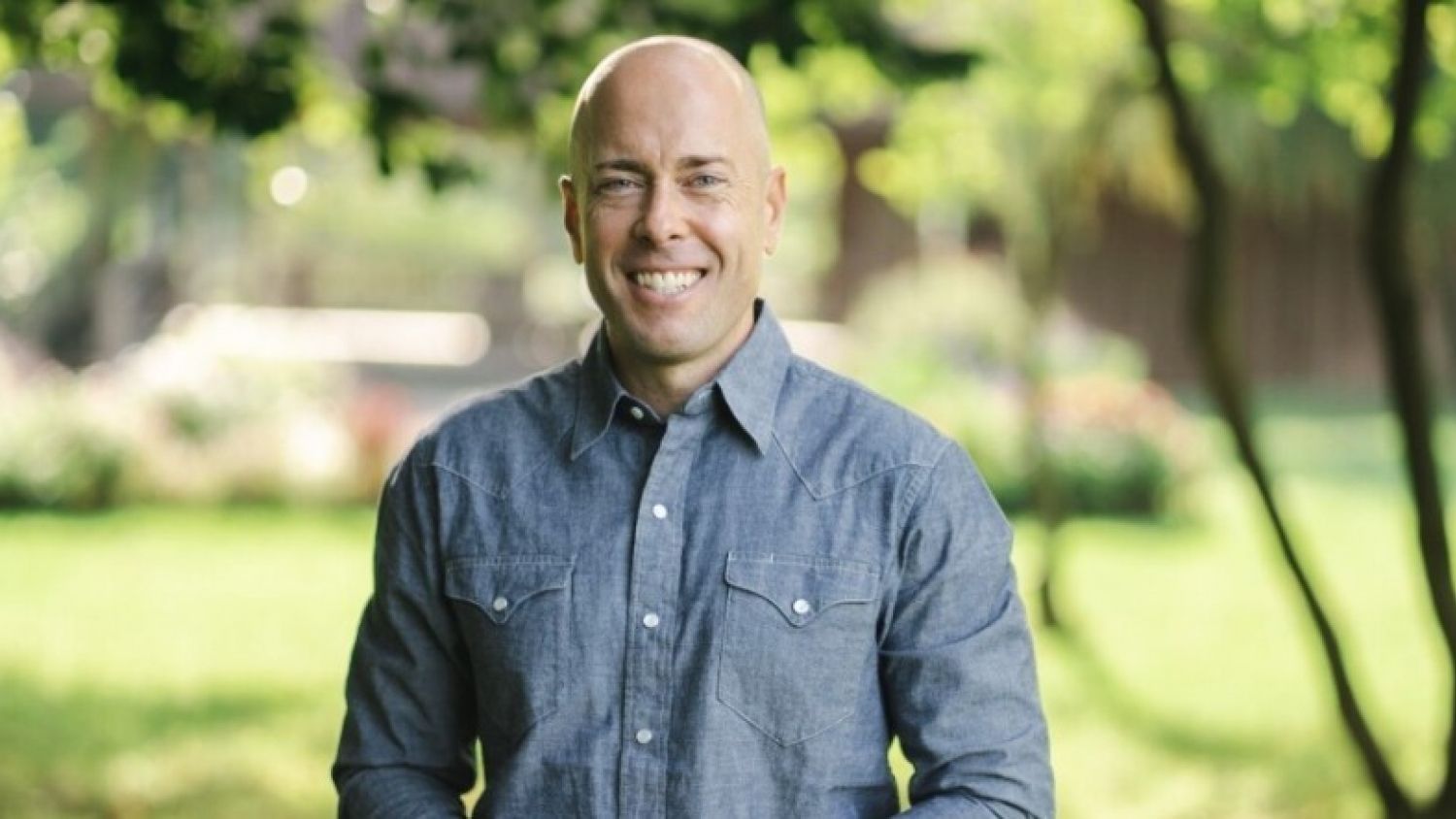
The debate was addressed in an interview published by AgFunderNews, a media outlet focused on food innovation and agtech, in which Jeff Tkach, CEO of the nonprofit Rodale Institute, outlined the origins and purpose of regenerative organic certification. The conversation, which also included David Green, brand engagement manager at the Regenerative Organic Alliance (ROA), highlighted why certification is seen as critical to the future of food production and what obstacles still stand in the way of broader adoption.
According to Tkach, nearly 60 of the world’s top 100 food companies now claim to have some form of regenerative agriculture strategy. However, each company defines “regenerative” differently, often without independent verification. “There is quite a bit of greenwashing going on,” Tkach told AgFunderNews, pointing to the absence of a universally accepted standard as a major weakness in the current system.
It was precisely this gap that led Rodale Institute to help launch the Regenerative Organic Alliance seven years ago, alongside companies such as Dr. Bronner’s and Patagonia. The goal was to create a certification that could bring structure, transparency, and credibility to regenerative claims, much like organic certification did decades earlier.
Rodale Institute’s involvement is rooted in its long history with organic agriculture. The organization played a central role in shaping the modern organic movement in the late twentieth century and was instrumental in the establishment of the US National Organic Program (NOP) in 1990. Tkach drew a direct parallel between that period and the current moment facing regenerative agriculture.
“In the early days of organic, there was a lot of confusion in the marketplace around certification and standards,” he explained. Before federal regulation, multiple states and private certifiers used different definitions, allowing some companies to misuse the organic label. The creation of a unified standard under the USDA helped eliminate false claims and gave consumers a label they could trust.
The Regenerative Organic Certified framework builds on that legacy. While organic certification focuses primarily on eliminating synthetic chemicals, ROC goes further by integrating three core pillars: soil health, animal welfare, and social fairness. In this sense, regenerative organic agriculture is presented not as an alternative to organic, but as its most advanced expression.
Tkach described regenerative organic as the “highest bar standard” in food production. While Rodale views agriculture as a continuum—where farmers can progressively adopt better practices—regenerative organic represents the long-term goal. The certification is designed to guide producers toward practices that rebuild soil, enhance biodiversity, and reduce environmental harm, while also improving working conditions and community well-being.
Beyond environmental outcomes, Tkach emphasized the broader social implications of regenerative organic farming. Research conducted by Rodale Institute and other organizations shows that these practices can reduce exposure to synthetic chemicals for farmers, consumers, and residents of agricultural regions. “The science tells us the path forward,” he said, arguing that the food system’s structural problems are widely recognized, even if solutions are still debated.
Consumer trust is another central issue. While Rodale Institute does not conduct consumer research specifically on the ROC seal, Tkach noted that shoppers increasingly rely on certifications to validate sustainability claims made by brands. In that context, the visibility of the ROC label on grocery shelves is steadily growing, positioning it as a marker of credibility in a crowded marketplace.
Still, expanding the reach of regenerative organic certification remains a challenge. According to David Green, three main barriers stand in the way: market demand, knowledge gaps, and cost.
From a market perspective, Green explained that without a strong demand signal from consumers, brands have little incentive to pursue certification, and farmers are less likely to undertake the transition. “Market momentum is essential to drive mass adoption,” he told AgFunderNews, stressing the need for greater consumer awareness to create pull-through demand across the supply chain.
Knowledge is another critical hurdle. Transitioning to regenerative organic systems often requires new skills, practices, and ways of thinking. Green argued that farmers need easier access to education, technical assistance, and mentorship to reduce the friction associated with change. He also highlighted the importance of educating consumers, noting that understanding the value of regenerative organic agriculture is key to building long-term demand.
Cost remains perhaps the most immediate obstacle. Shifting away from conventional farming can involve significant upfront investments, including new equipment, cover crops, composting systems, and other infrastructure. Farmers may also face temporary yield declines during the transition period. While ROC-certified products can command premium prices, Green noted that market access and consumer recognition have not yet fully caught up.
In addition to economic barriers, both Tkach and Green pointed to the need for a broader mindset shift within agriculture. Moving away from synthetic inputs requires rethinking productivity, profitability, and land stewardship—an adjustment that can be difficult in a system long shaped by conventional practices.
Policy also plays a decisive role. Current government subsidy structures, particularly in the United States, tend to favor conventional agriculture, often leaving regenerative organic producers without sufficient financial support. According to Green, meaningful policy changes will be necessary to level the playing field and enable regenerative systems to scale.
Despite these challenges, proponents of regenerative organic certification remain optimistic. Each purchase of a ROC-labeled product, Green argued, represents an investment in a more resilient and equitable food system. “Every time a consumer chooses ROC, they’re helping build a better food system from the ground up,” he said, as reported by AgFunderNews.
As debates over sustainability, climate change, and food security intensify, the push for clear standards is likely to grow. For advocates of regenerative organic agriculture, certification is not just a label, but a tool to ensure accountability—and to define what “regenerative” truly means in practice.