Magdalena diversifies beyond sugar with 650,000-liter precision fermentation plant in Guatemala
The Guatemalan sugar producer will build an industrial biology platform to reduce market volatility and scale high-value molecules
viernes 27 de febrero de 2026 - 11:01
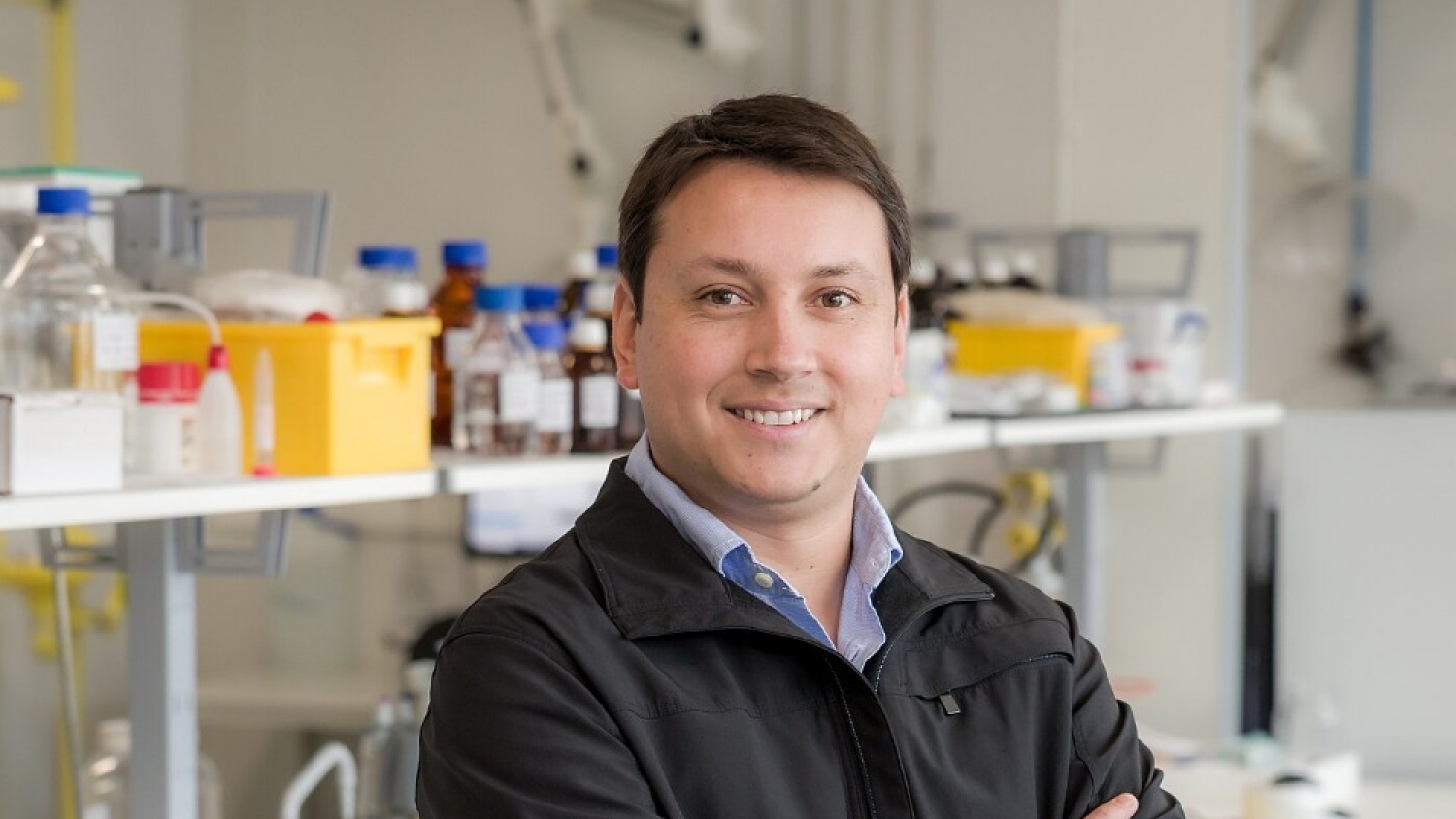
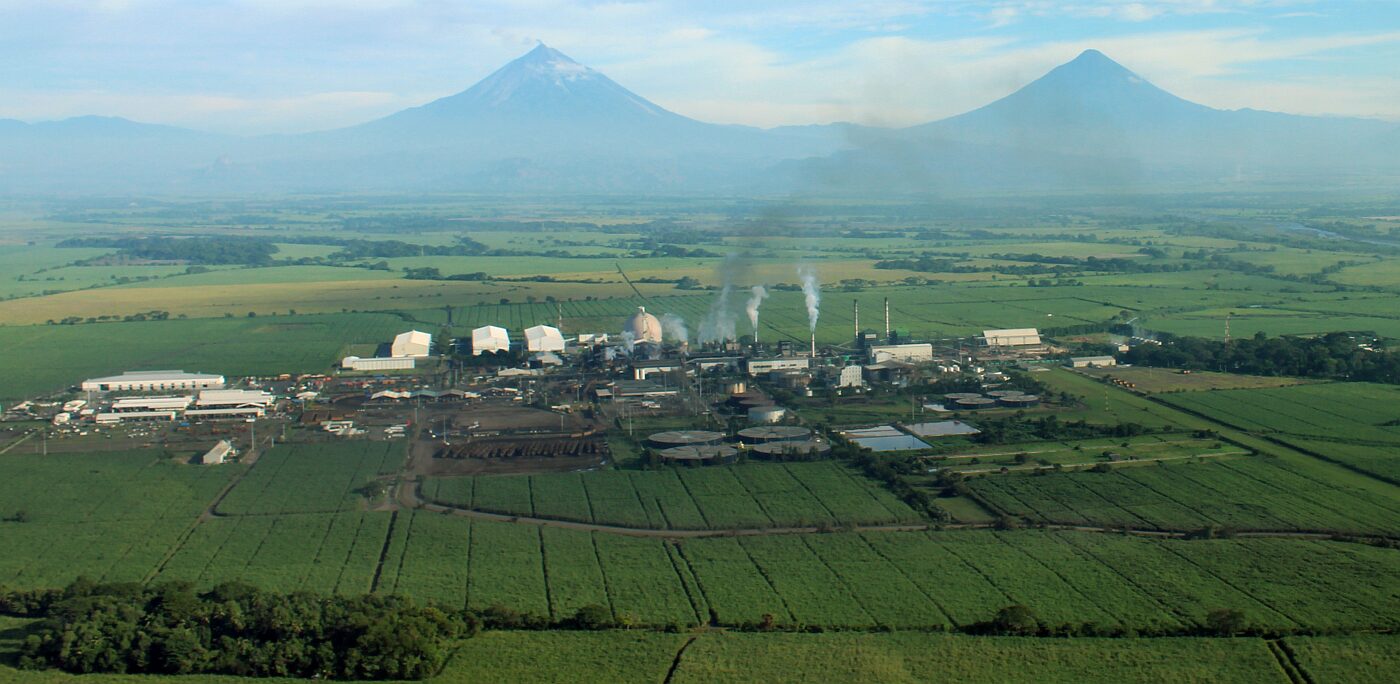
Latam sugar producer Magdalena announced plans to build a 650,000-liter precision fermentation facility in Guatemala, next to its existing sugar mill, as part of a strategy to reduce its exposure to the volatile sugar market and expand into industrial biotechnology and high-value biological manufacturing. The project, confirmed by biochem unit director Andrés Rodas to AgFunderNews, positions the company to transform sugar into specialty molecules and proteins at industrial scale over the next several years.
Founded in 1983, family-owned Magdalena is one of the leading sugar producers and refiners in the region. According to Rodas, the new facility will be developed in phases, beginning with 50,000 liters of capacity and a 2,000-liter pilot plant. Construction is expected to begin in May, with a target to reach full 650,000-liter capacity by 2029.
“This is not a startup pivot,” Rodas said. “It is an established agricultural company deliberately reallocating capital, talent, and governance toward industrial biology.”
Through its biochem unit, the company seeks to shift from commodity production toward biomanufacturing of higher-value molecules, leveraging its sugarcane supply as a competitive feedstock advantage.
Magdalena’s strategy rests on three pillars: Biorbis in Portugal, an R&D and innovation lab focused on high-value molecule development; Proteva in Guatemala and Mexico, a yeast-based protein platform; and the new precision fermentation contract manufacturing organization (CMO) platform in Guatemala.
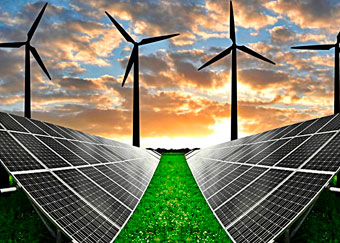
The move comes after years of exposure to sugar price volatility. “The challenge with a commodity like sugar is that it’s very volatile,” Rodas said, referencing the price downturn of 2017 and 2018 following large harvests in Brazil, India, and Thailand. After focusing on efficiency improvements, Magdalena expanded geographically with the acquisition of a sugar mill in Peru in 2025 and is increasing production capacity in Guatemala. The company is also developing a 200-megawatt solar park in Guatemala, with 75 megawatts already built.
Industrial biology as a strategic adjacency
The company’s expansion into precision fermentation builds on its existing infrastructure and expertise. Magdalena already ferments molasses for alcohol production and generates energy by burning bagasse, supplying between 12% and 13% of Guatemala’s electricity.
A key step in the transition was the acquisition of Biorbis, a Portuguese laboratory previously owned by synthetic biology specialist Amyris during its restructuring process in 2023. Magdalena retained the scientific team and integrated the lab into its long-term biotechnology roadmap.
“We took over the lab and the scientists working there and started investing in startups via our ventures arm with a view to becoming a manufacturing partner,” Rodas explained. The company has invested in precision fermentation startups including Oobli, VinZymes, and Amplifye, and is also a limited partner in Lever VC.
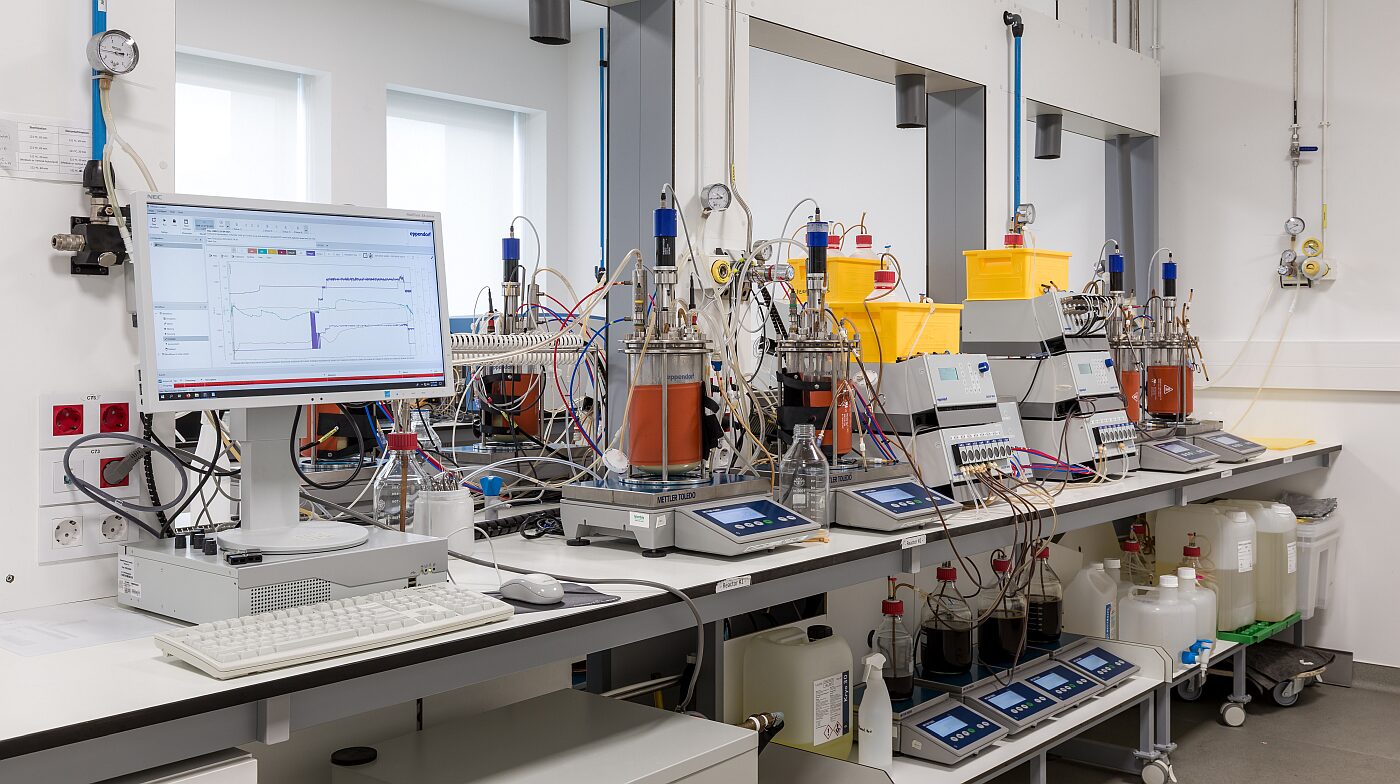
The upcoming fermentation site in Guatemala will include centrifugation, microfiltration, ultrafiltration, sterile filtration, and spray drying capabilities. According to Rodas, this will enable production of liquid products such as industrial enzymes and powdered ingredients such as proteins.
“We’re going to be a CMO to start with, but our longer-term ambition is to develop and scale up our own molecules, with a particular focus on molecules that are found in nature but are hard to scale,” he said.
Unlike venture-backed biotech startups, Magdalena is financing the expansion through its core sugar business. Rodas emphasized that the company already maintains commercial relationships with multinational clients such as Coca-Cola and Bacardi, which could become future customers for biotechnology-derived ingredients.
Turning spent yeast into value-added protein
Alongside precision fermentation, Magdalena launched Proteva, a new platform focused on upcycling spent yeast protein generated in its distillery operations and from third-party breweries. Through enzymatic hydrolysis, the company aims to produce functional protein ingredients for animal feed, aquaculture, pet food, and eventually human nutrition.
The first Proteva facility is located at Magdalena’s sugar mill in Guatemala and is nearing commissioning, expected in early April. The company is also planning additional facilities in Mexico and Peru.
“There’s a lot of potential because you have the proteins and peptides and amino acids but also the cell wall has beta glucans and nucleotides,” Rodas said, highlighting the nutritional functionality of yeast-derived ingredients.
By integrating sugar production, fermentation infrastructure, renewable energy, and biotechnology capabilities, Magdalena is positioning itself as a regional industrial biology player rather than solely a commodity supplier.
As global sugar markets remain cyclical, the company’s strategy reflects a broader shift among agricultural producers toward value-added bio-based manufacturing, where biology — rather than raw commodities — defines competitiveness.
Invertí en periodismo de calidad
En Agroempresario trabajamos para acercarte contenidos que agregan valor.