Cultivo, a natural capital project developer focused on land restoration, has strengthened its presence in the United States by acquiring Kateri, a grassland carbon project developer known for its close ties to ranchers. The transaction, announced in December 2025, aims to accelerate grassland restoration initiatives across the country while generating financial returns for landowners and institutional investors, at a time when nature-based solutions are gaining traction as a core investment theme.
The acquisition brings together Cultivo’s technology-driven platform and Kateri’s on-the-ground rancher engagement, creating a vertically integrated model to restore degraded grasslands, generate carbon removal credits, and channel long-term capital into regenerative land management. The move reflects a broader shift in how investors and corporations view nature—not as an alternative asset, but as a fundamental infrastructure pillar with economic, environmental, and social value.
According to reporting by AgFunderNews, Cultivo’s chief executive officer and cofounder Dr. Manuel Piñuela described the acquisition as a key milestone in scaling land restoration as a mainstream investment strategy in the U.S.
A platform built on technology and land stewardship
Founded with the mission of regenerating degraded or underutilized land at scale, Cultivo operates at the intersection of agtech, climate finance, and regenerative agriculture. The company combines artificial intelligence, satellite imagery, and remote sensing to identify land parcels with high restoration potential, particularly grasslands affected by overgrazing or extractive agricultural practices.
Beyond data analysis, Cultivo plays an active role in designing, building, and operating restoration projects alongside landowners. These projects are then financed through partnerships with financial institutions, while revenues are generated mainly through carbon removal credits purchased by corporations seeking to meet climate commitments.
This integrated approach allows Cultivo to manage projects from early assessment through long-term maintenance, while ensuring that landowners—especially ranchers—receive both technical support and new income streams.
Why grasslands are now in focus
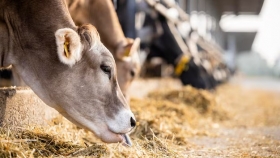
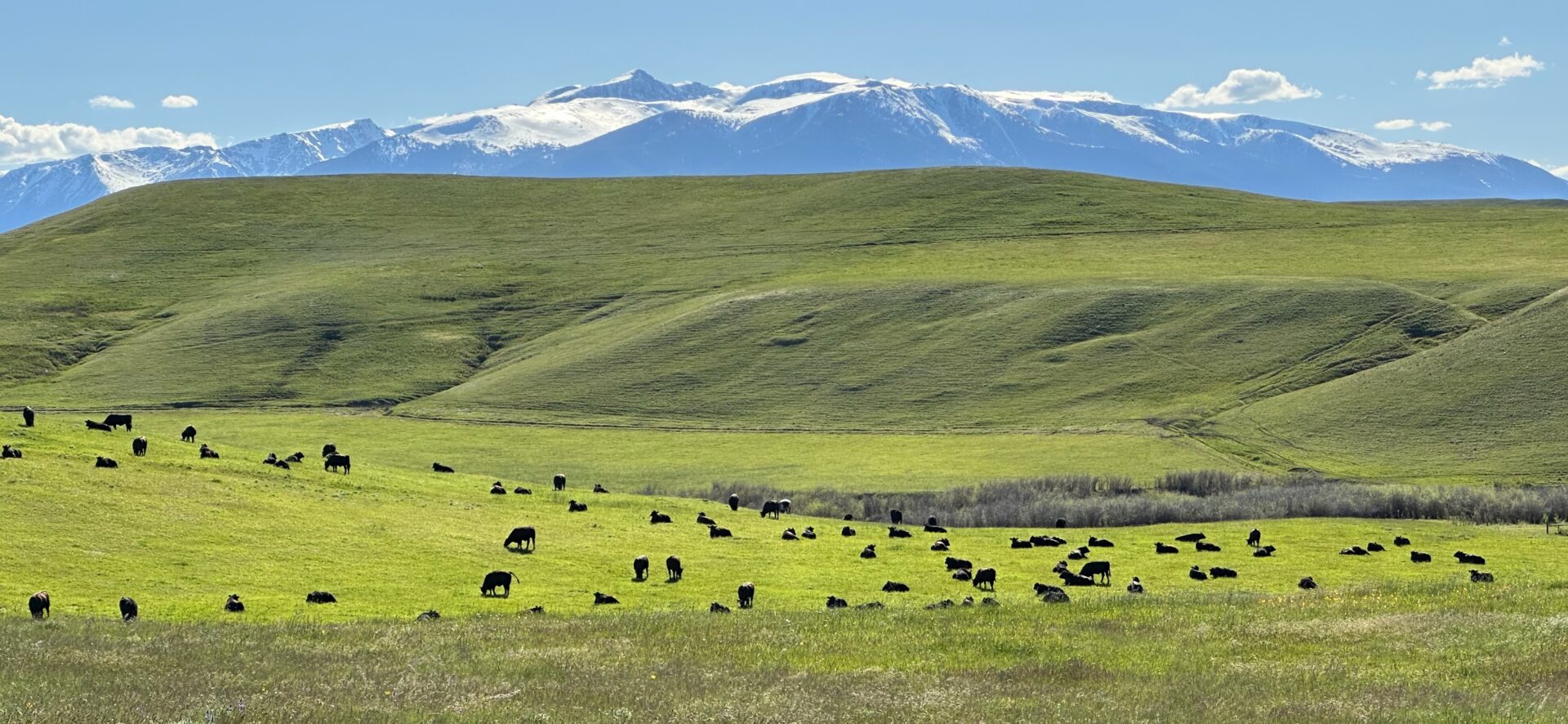
Grasslands have emerged as a strategic priority for Cultivo. While they cover nearly one-third of the Earth’s surface, roughly half of global grasslands are degraded or destroyed, often due to prolonged overgrazing and unsustainable land use. Historically, these ecosystems have received less attention and funding than forests, despite their capacity to store carbon, enhance biodiversity, and improve soil health.
In the United States, Cultivo has assembled a pipeline of grassland restoration projects covering approximately 650,000 acres, an area comparable in size to the state of Rhode Island. This expansion has been fueled in part by a $40 million commitment from Octopus Energy Generation, providing the capital needed to scale operations and deploy restoration tools.
These projects typically involve investments in precision technologies, including soil sensors, satellite monitoring, and virtual fencing systems, which enable ranchers to better manage grazing patterns and track ecosystem recovery. Cultivo also helps secure offtake agreements for carbon credits, offering predictable revenue streams to investors.
“It’s a very thorough and institutional process,” Piñuela said, according to AgFunderNews, highlighting the growing maturity of the sector.
The role of Kateri: rancher-level engagement
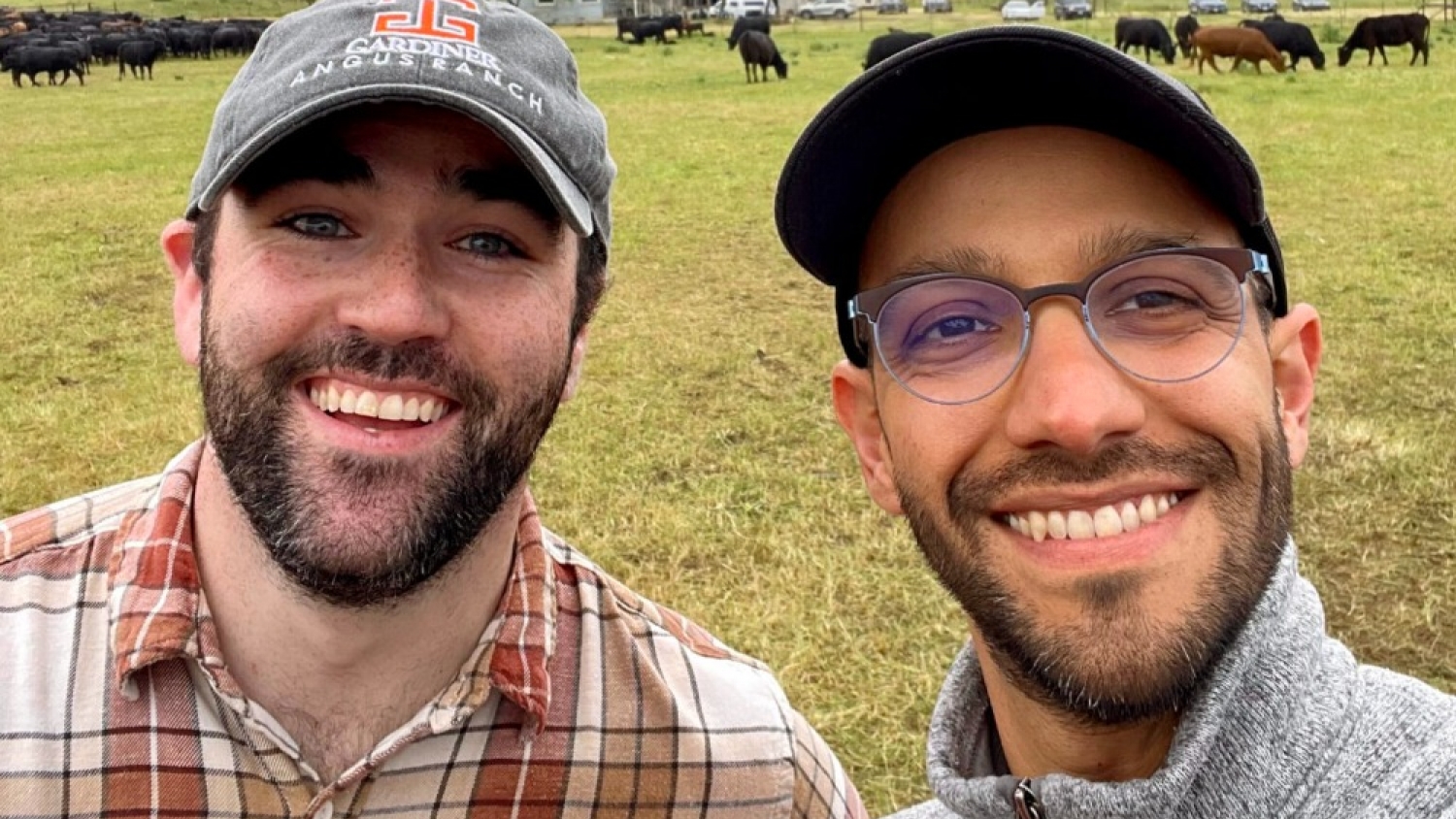
The acquisition of Kateri adds a critical dimension to Cultivo’s platform: deep, local relationships with U.S. ranchers who are already motivated to restore their land. Often referred to as “the rancher’s carbon company,” Kateri has built trust within ranching communities by aligning regenerative practices with practical economic outcomes.
By integrating Kateri’s team and expertise, Cultivo gains boots-on-the-ground capabilities that complement its technology-driven model. This includes firsthand knowledge of grazing systems, land management challenges, and the cultural dynamics of ranching communities—factors that are essential for long-term project success.
According to Piñuela, the willingness of ranchers to adopt new tools has been a decisive factor. “That community is very willing to embed new technologies such as virtual fencing and sensors, and to really take the pulse of their landscape,” he said in remarks reported by AgFunderNews. “We couldn’t do this without them wanting to make those changes.”
Cultivo and Kateri had already been working together for about 18 months prior to the acquisition, and the formal integration is expected to accelerate project development and capital deployment across the U.S.
Aligning returns for ranchers and investors
At the core of the combined model is the alignment of incentives between landowners and capital providers. Restoration practices improve soil health, water retention, and biodiversity on ranches, while carbon credits and other ecosystem services generate additional revenue streams.
“We now have a series of practices that make those ranches better and bring ranchers additional revenues, and the returns our investors are looking for,” Piñuela said, as cited by AgFunderNews. The company emphasizes that long-term engagement and transparent measurement are key to maintaining credibility in carbon markets.
This approach also reflects a broader evolution in climate and sustainability investing. Rather than short-term or speculative projects, institutional capital is increasingly seeking durable, long-lived assets that deliver measurable environmental outcomes alongside financial performance.
Nature as infrastructure
Cultivo’s leadership argues that the industry is undergoing a fundamental shift. Six years ago, many of the elements needed to scale nature-based solutions existed but were fragmented. Today, clearer standards, better technology, and larger pools of capital are enabling nature restoration to be treated as essential infrastructure, comparable to energy or transportation systems.
This perspective is reshaping how land restoration projects are financed and governed, bringing permanent capital into ecosystems that were previously underfunded. Grasslands, long overlooked in conservation efforts, are now being recognized for their strategic role in climate mitigation and food system resilience.
With the Kateri acquisition, Cultivo positions itself as a leading platform in this emerging space—one that combines technology, finance, and local expertise to restore landscapes while delivering economic value.