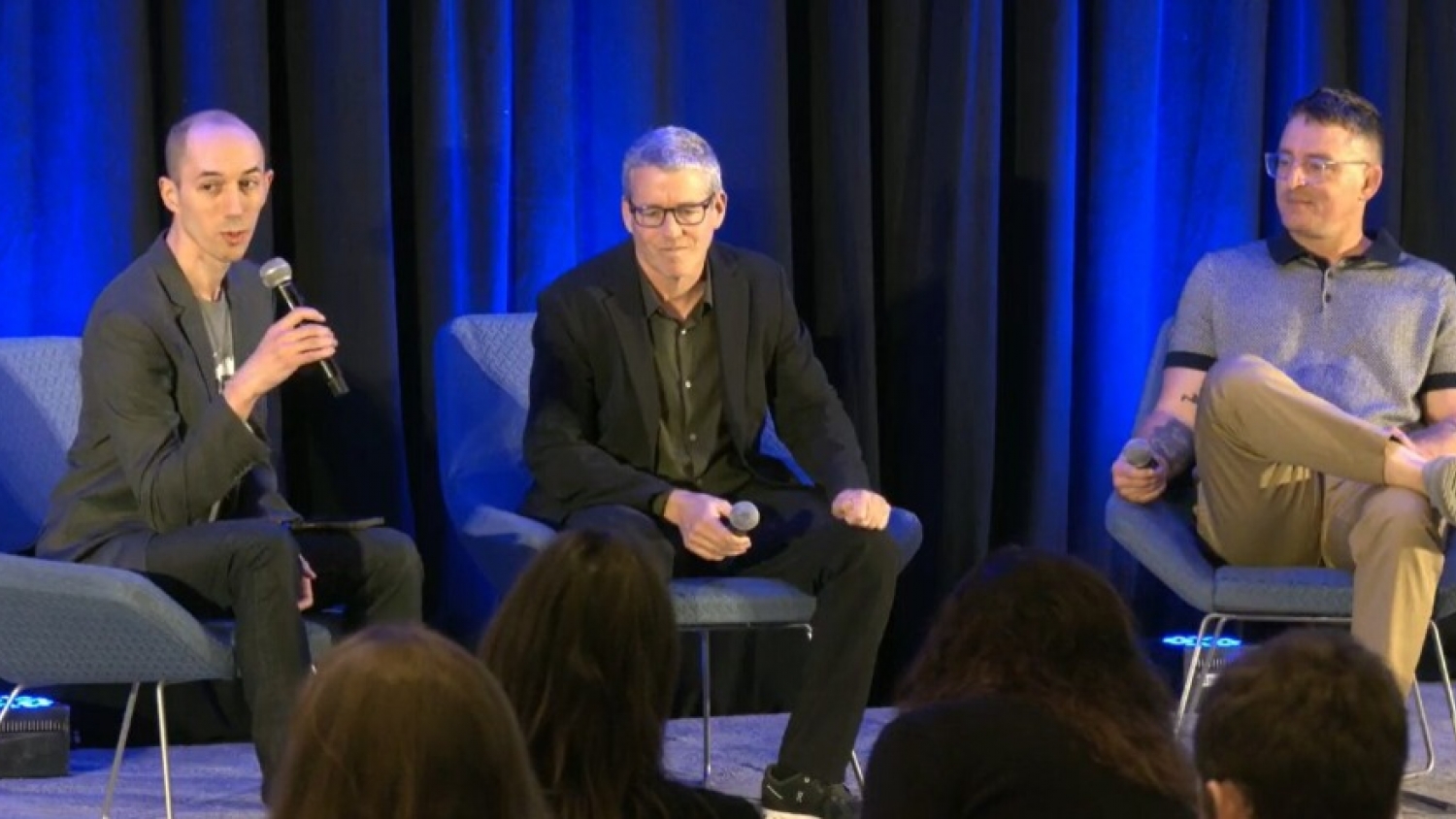
Foodtech founders, scientists and investors gathered on January 12, 2026, at the Future of Food Innovation Day hosted by Tufts University in Boston, where they openly acknowledged that the sector is undergoing one of its most challenging periods in recent years. According to reporting by AgFunderNews, shrinking access to private capital is forcing startups in alternative proteins, biomanufacturing and cellular agriculture to rethink business models, scaling strategies and market positioning.
The event brought together executives from companies including Lasso (formerly Tender Food), Wildtype, and California Cultured, who described a funding environment marked by investor caution, painful restructurings and a growing focus on commercial pragmatism.
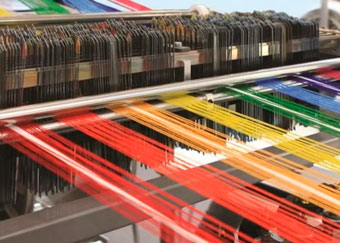
Mike Messersmith, CEO of Lasso, explained that his company’s decision to rebrand and expand beyond plant-based meat was driven by financial reality. “There was no money for me to continue raising on a sub-scale plant-based meat company in 2025. That path is over,” he told AgFunderNews. He added that merely identifying as a plant-based meat startup had become a barrier to fundraising, pushing the company to reposition its fiber-spinning technology toward applications in snacks and pet food.
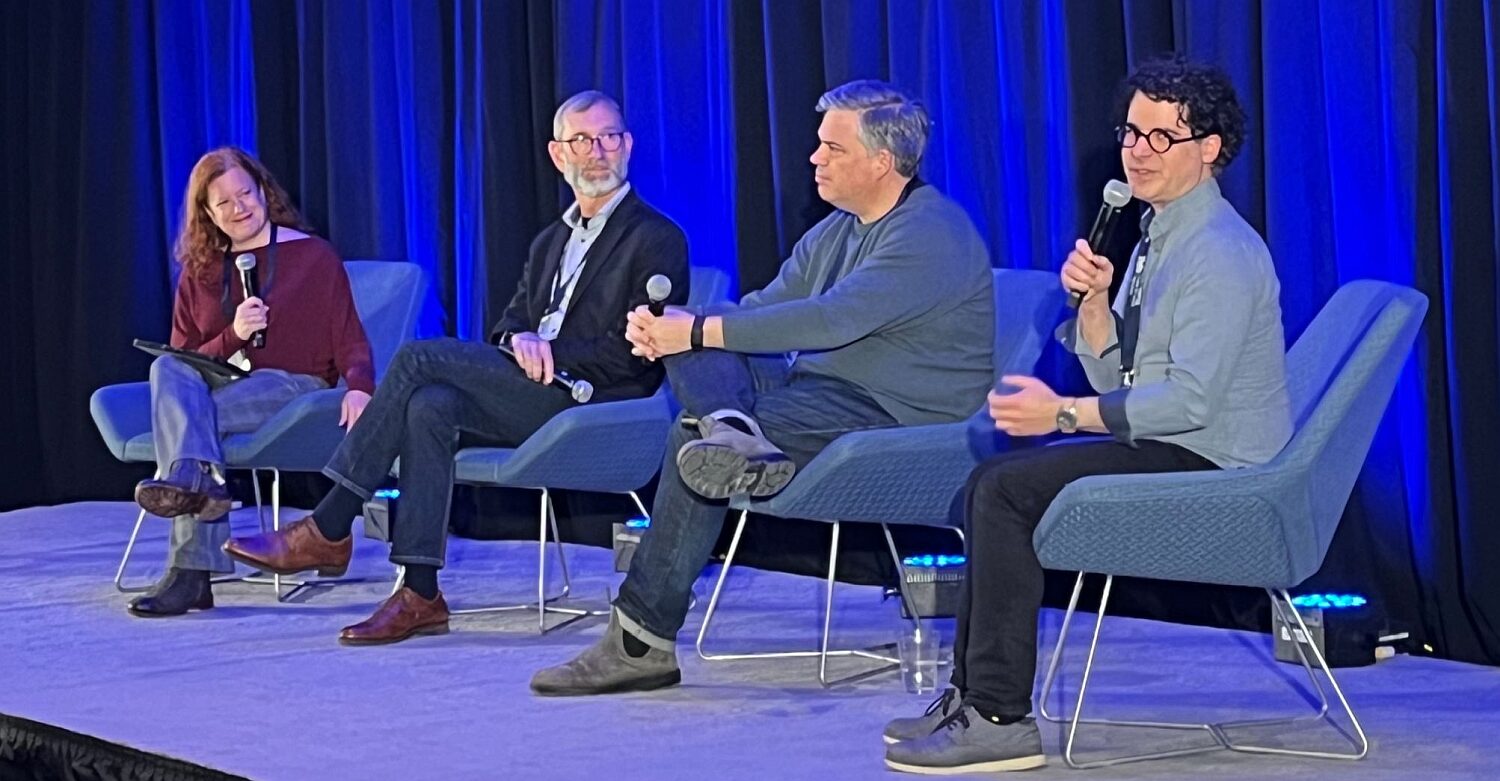
At Wildtype, a startup that has secured regulatory approval for cell-cultivated seafood in the United States, cofounder Aryé Elfenbein described the emotional and financial strain facing even the most advanced players. Despite technological progress, he acknowledged that many companies are nearing the limits of their financial runway. “This has been a harrowing last year,” he said, warning that the sector must now define “what comes next” if it is to survive and scale.
A central theme of the discussion was the need to move away from traditional assumptions about industrial scale. Instead of relying solely on ever-larger production facilities, several speakers argued for modular and distributed production models. Elfenbein noted that attempting to supply even a small percentage of global seafood demand using conventional large bioreactors would require unrealistic amounts of infrastructure, underscoring the urgency of developing alternative scaling approaches.
The conversation also highlighted growing interest in plant cell culture as a potentially more viable commercial pathway than animal cell cultivation. Steven Lang, vice president of science at California Cultured, told AgFunderNews that plant cell-based production offers both cost and consumer perception advantages. He emphasized that the company is initially targeting high-value products such as high-flavanol cocoa, with the strategy of using premium pricing to finance further research and gradually reduce production costs.
Beyond technology, the event addressed the political and regulatory environment shaping the future of the sector. Speakers including political economist Jan Dutkiewicz and author Michael Grunwald argued that animal agriculture remains structurally underregulated in the United States, while alternative protein companies face skepticism and policy uncertainty. According to Dutkiewicz, the idea of “sustainable factory farming” has clear limits, stating that no system of industrial livestock production can realistically become climate neutral.
Concerns about public funding were also central to the debate. While private investment has slowed, several participants pointed to growing government support for research and innovation in countries such as Germany, Israel, Brazil, India, Japan and China. Bruce Friedrich, founder of the Good Food Institute (GFI), stressed that many governments are backing alternative protein technologies primarily for reasons of food security and strategic autonomy, rather than environmental messaging.
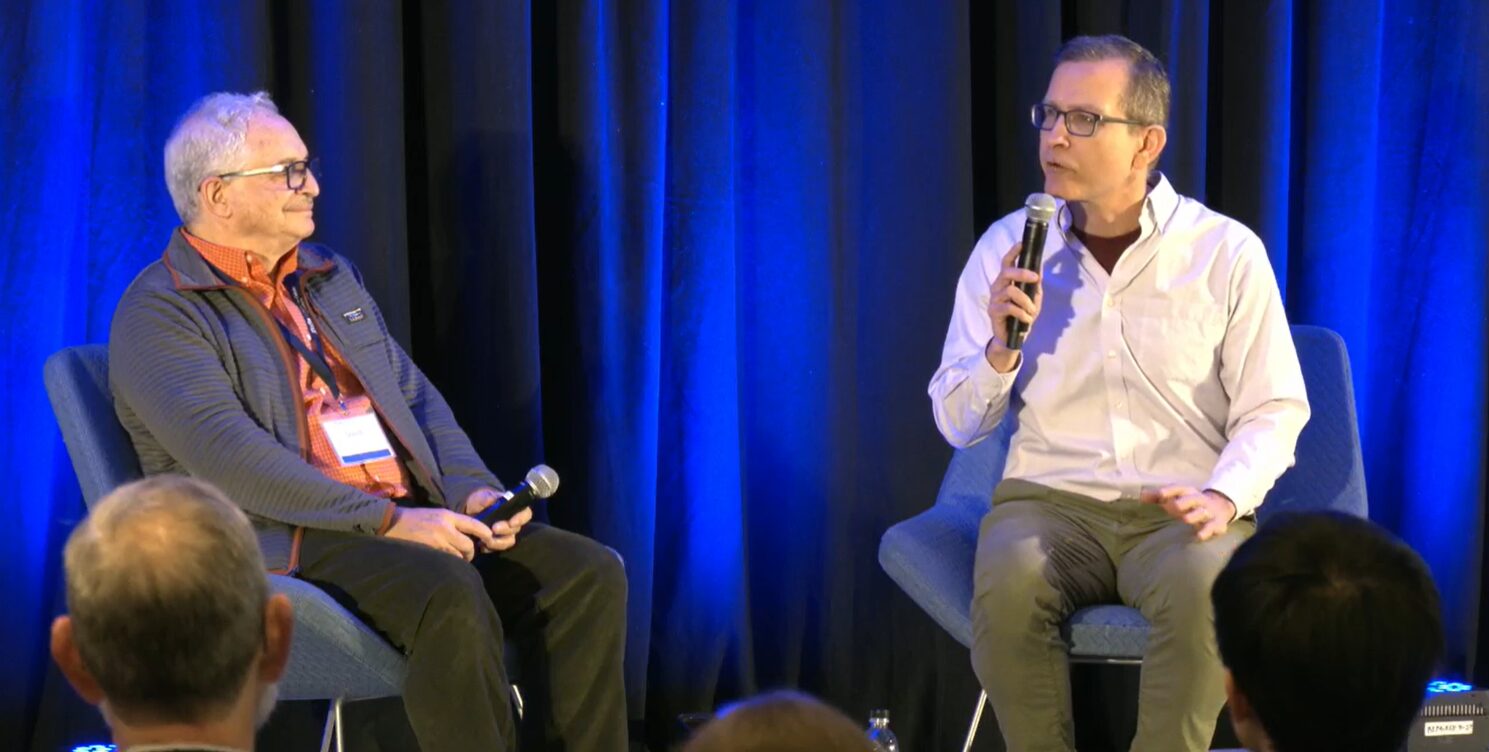
Despite the current downturn, the overall mood was not one of resignation but of cautious realism. Speakers repeatedly emphasized that technological revolutions often go through prolonged periods of skepticism before reaching maturity. Friedrich compared the trajectory of alternative proteins to earlier phases of the solar and internet industries, noting that early failures do not invalidate the long-term potential of the field.
The event concluded with presentations from emerging startups such as EdiMembre, Deco Labs, EntoCellular, and Truemeat, all of which are exploring specialized approaches to infrastructure, protein inputs and tissue engineering. Their presence reinforced the idea that, while capital is scarcer, innovation within the foodtech ecosystem continues to evolve toward more targeted and commercially grounded solutions.