The German agtech startup SenseUP has secured €3 million ($3.5 million) in seed funding to accelerate the development of its RNA-based biopesticides, a technology designed to offer a more sustainable and targeted alternative to conventional chemical crop protection products.
Based in Cologne, the company develops solutions using double-stranded RNA (dsRNA) to selectively silence essential genes in pests such as insects, fungi, nematodes and plant viruses. This approach allows farmers to control specific threats without harming beneficial organisms, soil health or surrounding ecosystems.
The investment round was led by Capnamic, with participation from Simon Capital, Rockstart, CHECK24 Impact and HBG Ventures. The funds will be used to expand the company’s product pipeline, grow its scientific and commercial teams, and deepen partnerships with established agricultural players.
According to founder Georg Schaumann, one of the key challenges in RNA-based crop protection has been overcoming three barriers: stability, cost and scalability. SenseUP claims its proprietary platform addresses all three. By encapsulating dsRNA inside the cell walls of specially engineered Corynebacterium strains, the company says its products can remain stable for more than 18 months at room temperature.
The use of advanced biosensor technology also allows SenseUP to rapidly screen millions of bacterial strains and select those that produce the highest amounts of dsRNA, significantly reducing production costs. In addition, the platform enables the combination of multiple dsRNA sequences within a single product, making it possible to target several pests at once.
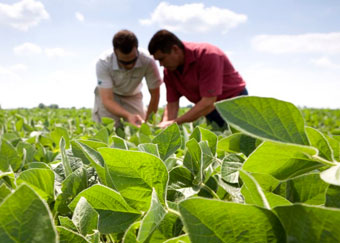
Early greenhouse and field trials have delivered encouraging results, and the company is currently working on around 15 different products. Regulatory processes are expected to be pursued in collaboration with large industry partners, with the United States and South America identified as priority markets.
Investors highlighted the growing urgency to reduce reliance on chemical pesticides and the importance of scalable biological alternatives. SenseUP’s approach, they argue, could help make RNA-based crop protection commercially viable at a global scale.