US-based Terradot has acquired the assets of fellow US startup Eion, a move aimed at accelerating the global deployment of enhanced rock weathering (ERW) as a durable carbon removal solution. The transaction, announced in February, is relevant as the carbon removal market shifts from pilot projects to large-scale implementation, with buyers demanding stronger verification and operational scale.
Following the acquisition, the combined platform holds carbon removal contracts totaling more than 400,000 tons, with customers including Microsoft, Google, and Frontier. This positions Terradot as one of the largest contracted players in the ERW segment, which is gaining traction among corporations seeking long-lasting and verifiable climate solutions.
Terradot operates primarily in the United States and Brazil, while Eion developed a patented approach to measurement, reporting, and verification (MRV) of carbon dioxide removal through ERW on farmland. By integrating Eion’s technology, datasets, and intellectual property, Terradot aims to raise standards for how carbon removal is quantified and validated in real-world conditions.
“Scaling durable carbon removal requires scientific integrity, measurement rigor, and strong real-world data. By bringing Eion’s operating learnings and technical contributions into the Terradot platform, we strengthen the foundation for the most defensible measurement approach in ERW and accelerate our path to scaled, high-quality delivery,” said Scott Fendorf, Terradot’s chief science officer.
As part of the agreement, Terradot will absorb Eion’s core team, operating capabilities, deployment data, and patent portfolio, consolidating expertise as the ERW market matures. Eion recently secured its first carbon removal credits through Puro.earth, based on part of its 2023 deployment, underscoring the commercial readiness of its approach.
For Ana Pavlovic Hans, the deal reflects broader pressures in the carbon removal sector. “While it’s possible to survive, it’s really difficult to grow in a hard market,” she said. Pavlovic Hans argued that ERW requires significant capital, specialized capabilities, and complex financing structures, which are difficult for standalone startups to build efficiently. “The more I considered what the platforms of the future will look like in land and carbon, the more this concept of consolidation made sense,” she added.
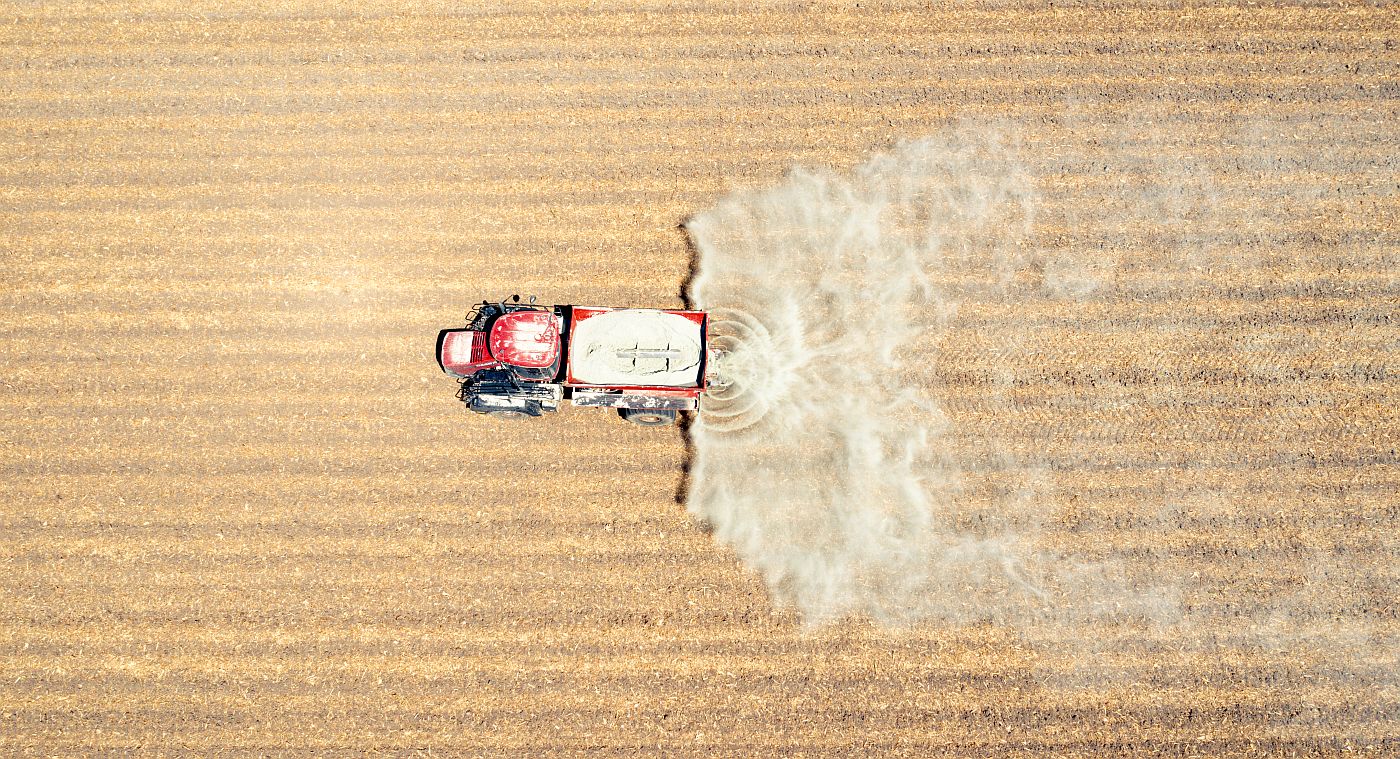
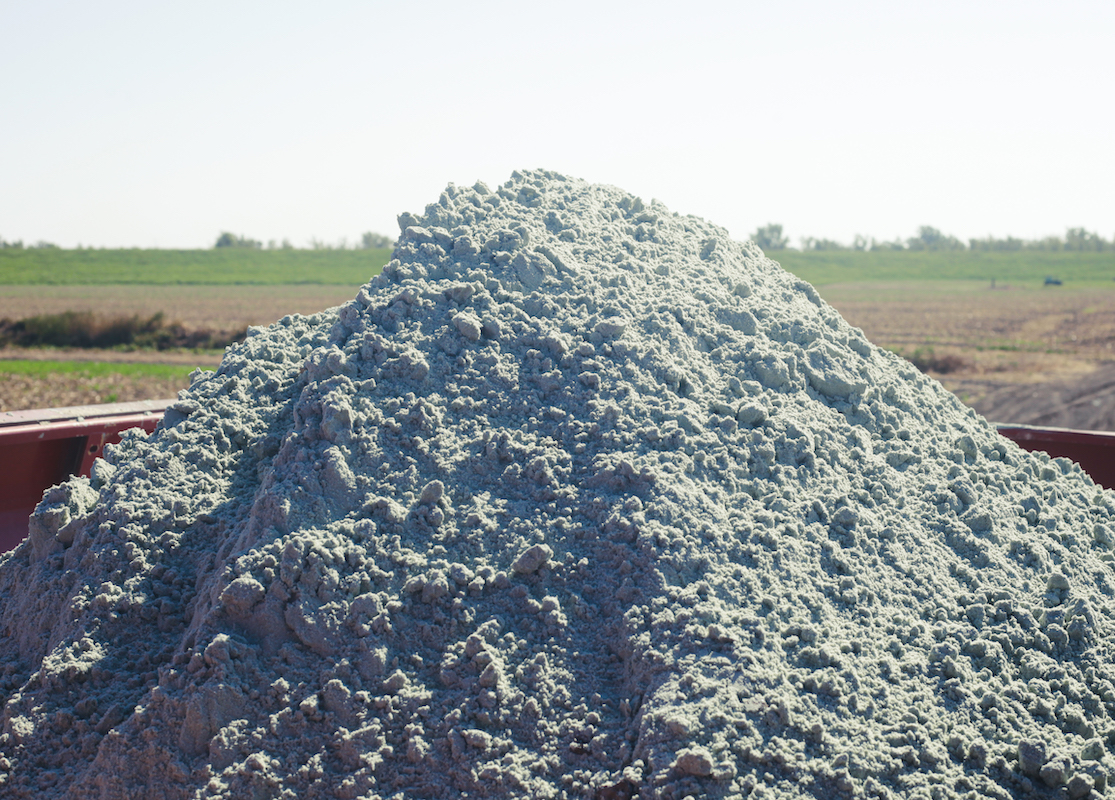
Enhanced rock weathering accelerates a natural geological process by spreading crushed silicate rocks—such as basalt or olivine—on agricultural land. When these minerals react with rainwater and soil acidity, they chemically bind atmospheric CO₂ into stable bicarbonates that can be stored over long periods, often ending up in rivers and eventually the ocean. The process can also improve soil health, functioning in some respects like agricultural lime.
Within the hierarchy of carbon removal options, ERW is increasingly viewed as a durable alternative to approaches such as soil carbon sequestration or afforestation, which can be reversed if land use changes. While ERW is more expensive, buyers are showing growing interest as scrutiny over credit quality intensifies and demand rises for solutions with stronger permanence and verification.
Public disclosures tracked by market analysts indicate that multi-year ERW offtake agreements are now commonly measured in the tens of thousands of tons, with some deals exceeding 100,000 tons. According to Terradot, this trend is rewarding platforms capable of delivering consistent, high-quality carbon removal across regions and seasons.
From a financial standpoint, the merger is also designed to improve access to capital. “A larger, diversified portfolio with an operating track record and high-integrity MRV improves bankability and expands access to long-term capital for project development and delivery,” said Rob Parker, Terradot’s chief financial officer.
With the acquisition of Eion, Terradot is positioning itself as a consolidator in the ERW space, betting that scale, rigorous measurement, and operational repeatability will define the next phase of growth in carbon removal markets.