Artificial intelligence, self-driving laboratories and contract development and manufacturing organizations (CDMOs) are reshaping how agrifood companies research and develop new products, replacing a century-old trial-and-error model that struggles to keep pace with global challenges. From food security to climate resilience, the pressure to innovate faster is mounting, and the sector is adopting new tools and partnerships to compress timelines and scale solutions, as reported by AgFunderNews.
For decades, scientific discovery in agriculture has relied on slow, manual experimentation. Developing a new fertilizer, crop protection product or food ingredient could take 10 to 20 years, with low success rates and high costs. Today, companies are integrating AI-driven optimization, robotics and predictive modeling to dramatically shorten those cycles.
One example is Swiss startup Atinary, which has developed a “Self Driving Lab” platform that automates experimental design, execution and analysis. Its proprietary Falcon AI algorithm uses Bayesian optimization to determine which experiments to run next, based on previous results. The system operates continuously, running hundreds of experiments per day and refining outcomes in closed-loop cycles.
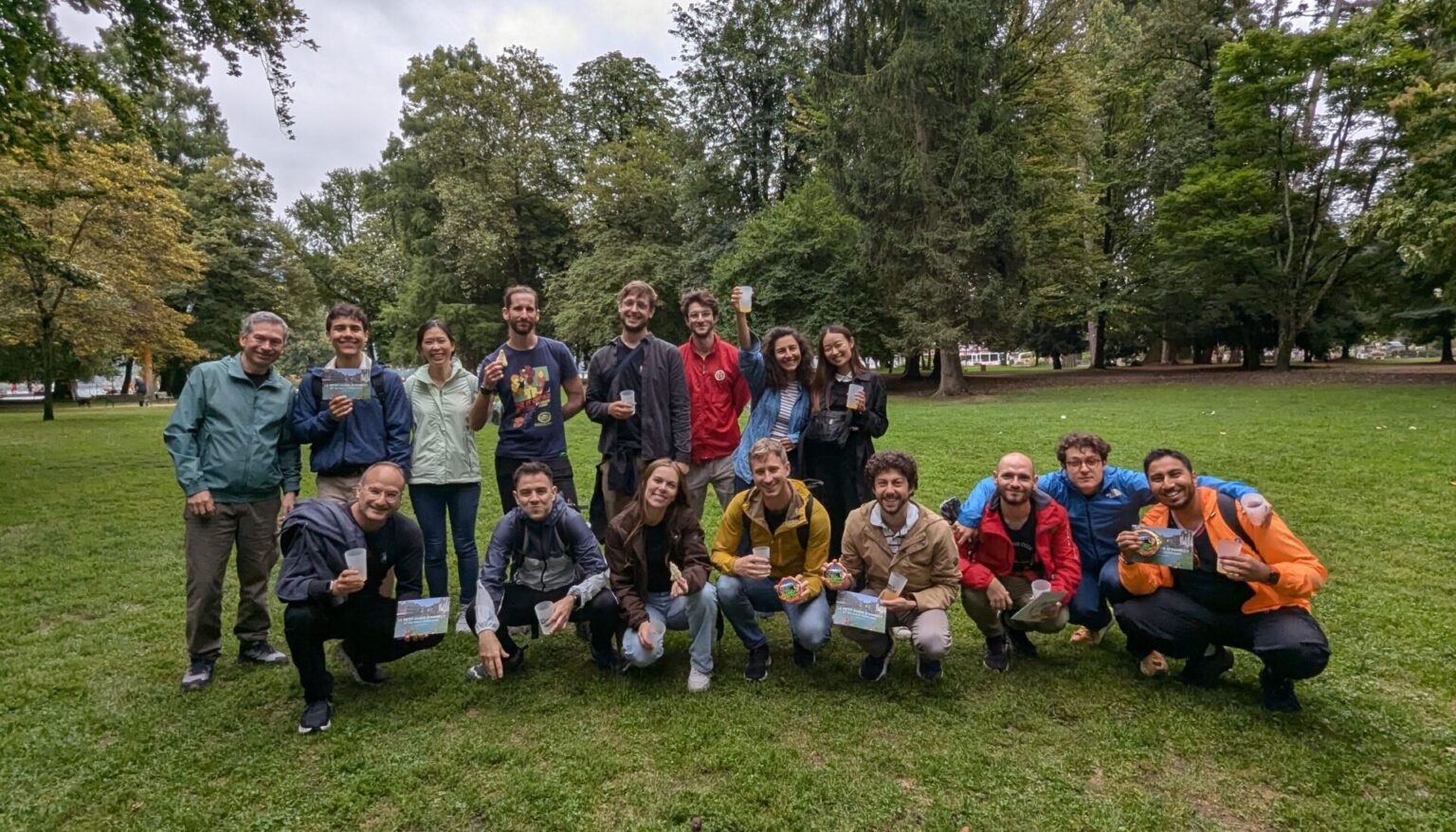
According to Atinary CTO Loïc Roch, the goal is not to replace scientists but to shift their focus. Instead of spending most of their time optimizing variables manually, researchers can concentrate on defining the right problems to solve. In collaboration with ETH Zurich’s SwissCat+ initiative, Atinary identified an optimal catalyst for converting carbon dioxide into methanol in six weeks—a process that traditionally could have taken decades.
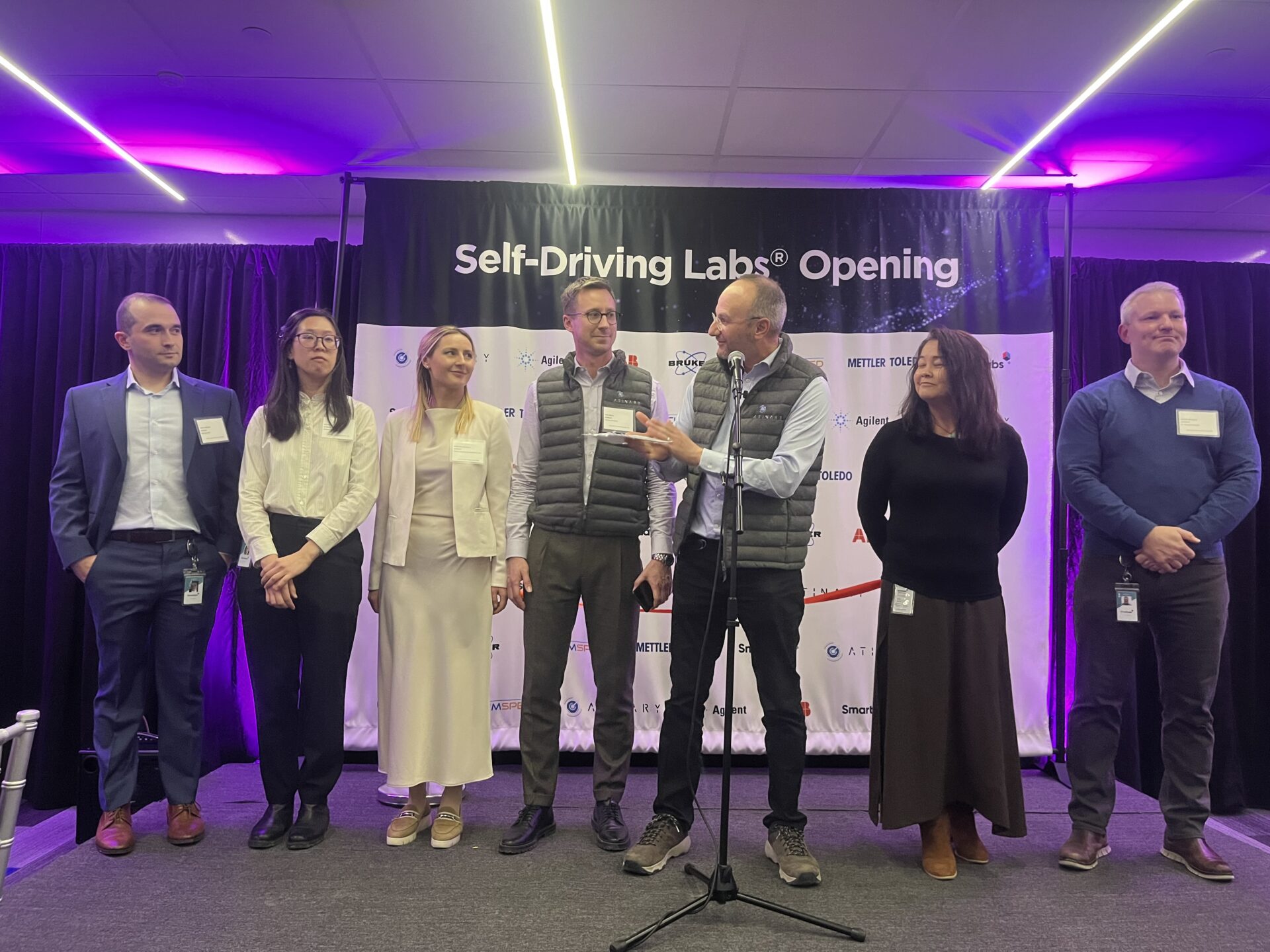
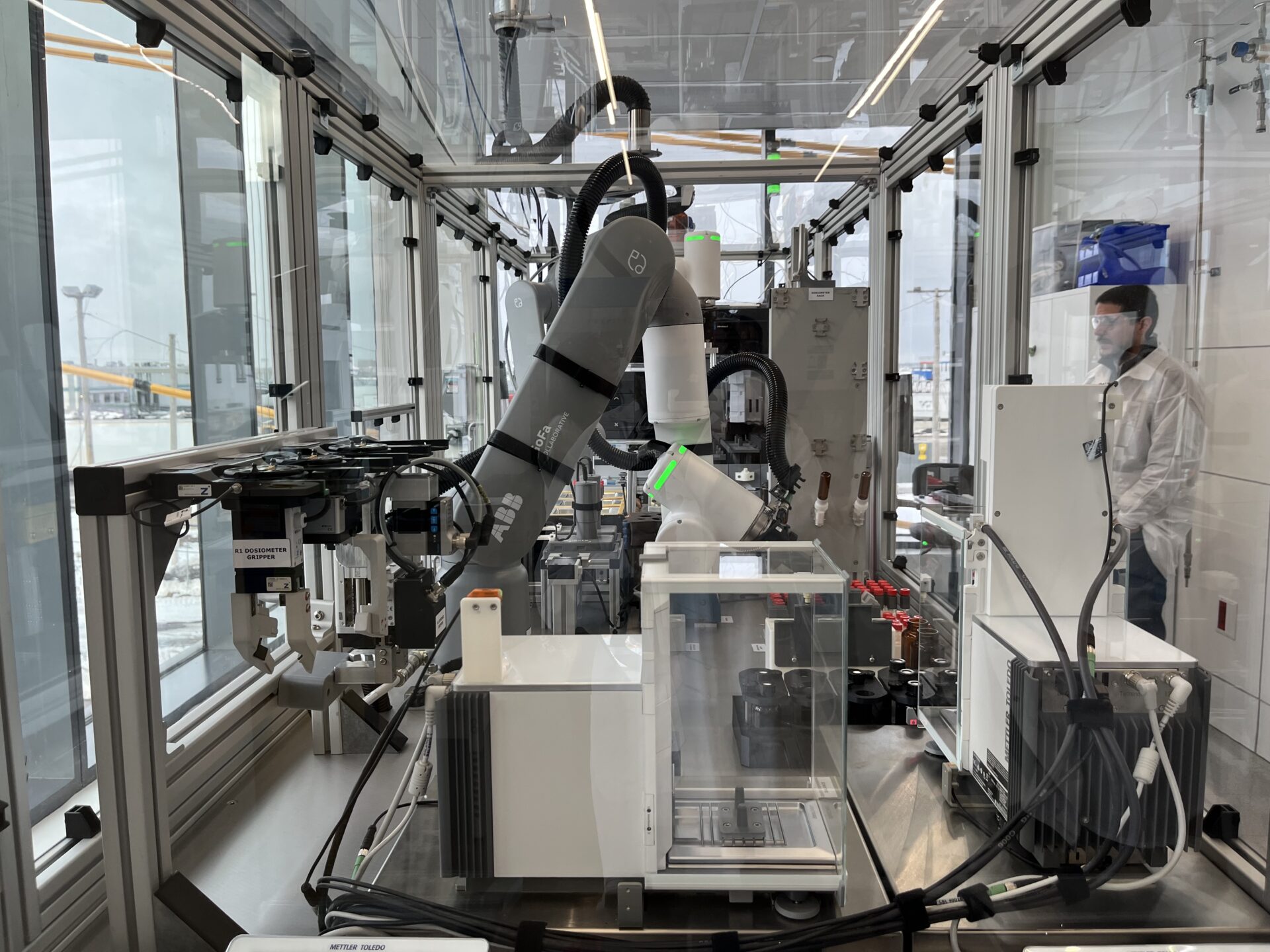
More recently, Atinary partnered with ABB Robotics, Mettler-Toledo and Agilent to launch a fully autonomous lab in Boston capable of running between 200 and 400 experiments daily. The integration of robotics and AI transforms R&D into a continuous, data-driven system.
Large agribusiness corporations are also rethinking their internal innovation strategies. Cargill, one of the world’s largest agrifood companies, is embedding AI into its research processes to improve ingredient formulation and sensory optimization. Predictive modeling allows teams to anticipate how ingredients will behave across applications, reducing reformulation cycles and accelerating product development.
Renee Boerefijn, senior director for R&D at Cargill, told AgFunderNews that AI shortens feedback loops but does not eliminate the need for human expertise. The company combines digital tools with governance frameworks through its Responsible AI Program to ensure safety, trust and scalability.
Cargill’s partnership with Voyage Foods to develop NextCoa, a cocoa alternative, illustrates this hybrid approach. Voyage contributes upcycled ingredient technology that replicates cocoa-like flavors and textures, while Cargill applies sensory science and formulation capabilities supported by AI-driven modeling to assess consumer acceptance earlier in the process.
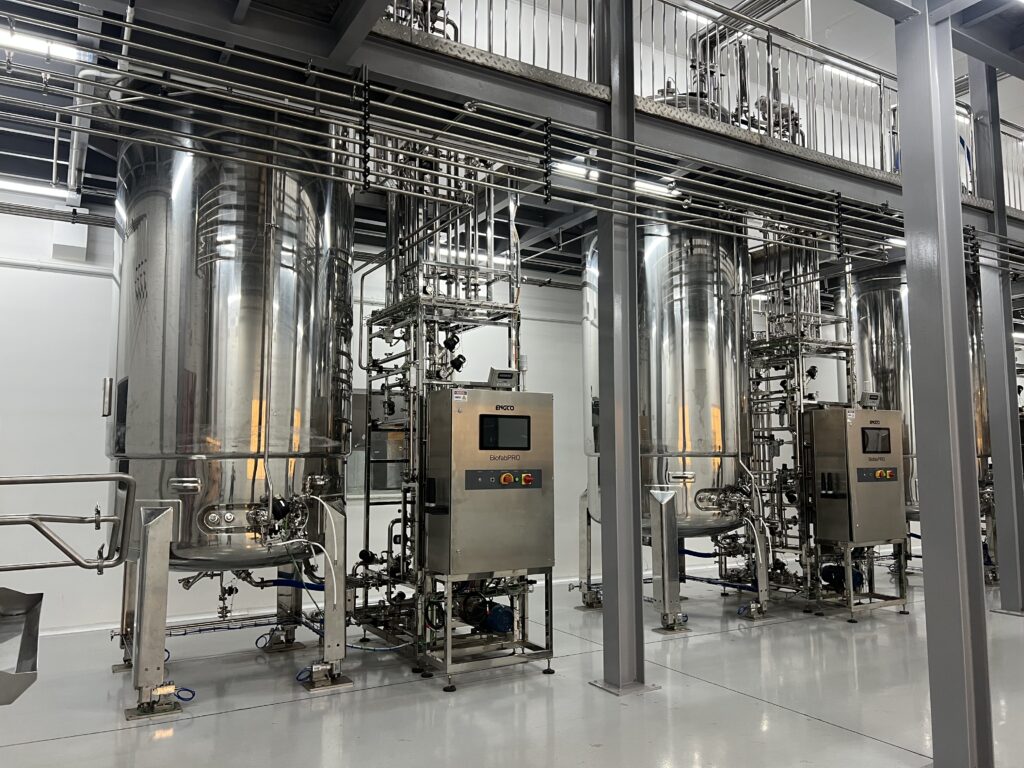
Beyond in-house innovation, CDMOs are emerging as critical partners in agrifood R&D. Traditionally common in pharmaceutical and biotech sectors, these organizations provide infrastructure, regulatory expertise and process optimization services to accelerate product discovery and manufacturing.

Brazil-based IdeeLab specializes in biological crop protection and works with multinational agribusinesses and startups to develop microbial products, metabolites and peptide-based biologicals. By localizing R&D in the regions where products will be deployed, CDMOs can account for specific climatic and biogeographical conditions, improving performance and reducing development risks.
Gilson Manfio, head of R&D and innovation at IdeeLab, emphasized to AgFunderNews that products developed in temperate regions often do not perform the same way in tropical environments. Conducting trials locally increases reliability and speeds up regulatory and commercial pathways.
Together, AI-powered labs, corporate digital transformation and CDMO partnerships represent a broader shift in agrifood innovation. The traditional linear model of experimentation is giving way to interconnected, data-driven ecosystems capable of accelerating discovery while maintaining scientific rigor.
As global challenges intensify, the ability to compress research timelines without compromising quality may define the competitiveness of agrifood companies in the decades ahead. According to AgFunderNews, the convergence of AI, automation and collaborative R&D models signals the beginning of a new paradigm—one designed not for incremental progress, but for exponential innovation.