New York-based CryoBio has raised $1.3 million in a pre-seed round to advance a novel biological solution designed to protect high-value crops from frost, according to AgFunderNews. The funding will allow the company to move its technology from greenhouse validation to large-scale field trials in the United States and Canada, addressing rising crop losses linked to extreme weather events.
The round included backing from Marble, AgVenture Alliance, New York Ventures, Launch NY, FuzeHub, Klessig Trust and Jade Cove Partners. The capital will support expanded operations in New York and new hires in biochemical engineering, biomanufacturing and horticulture.
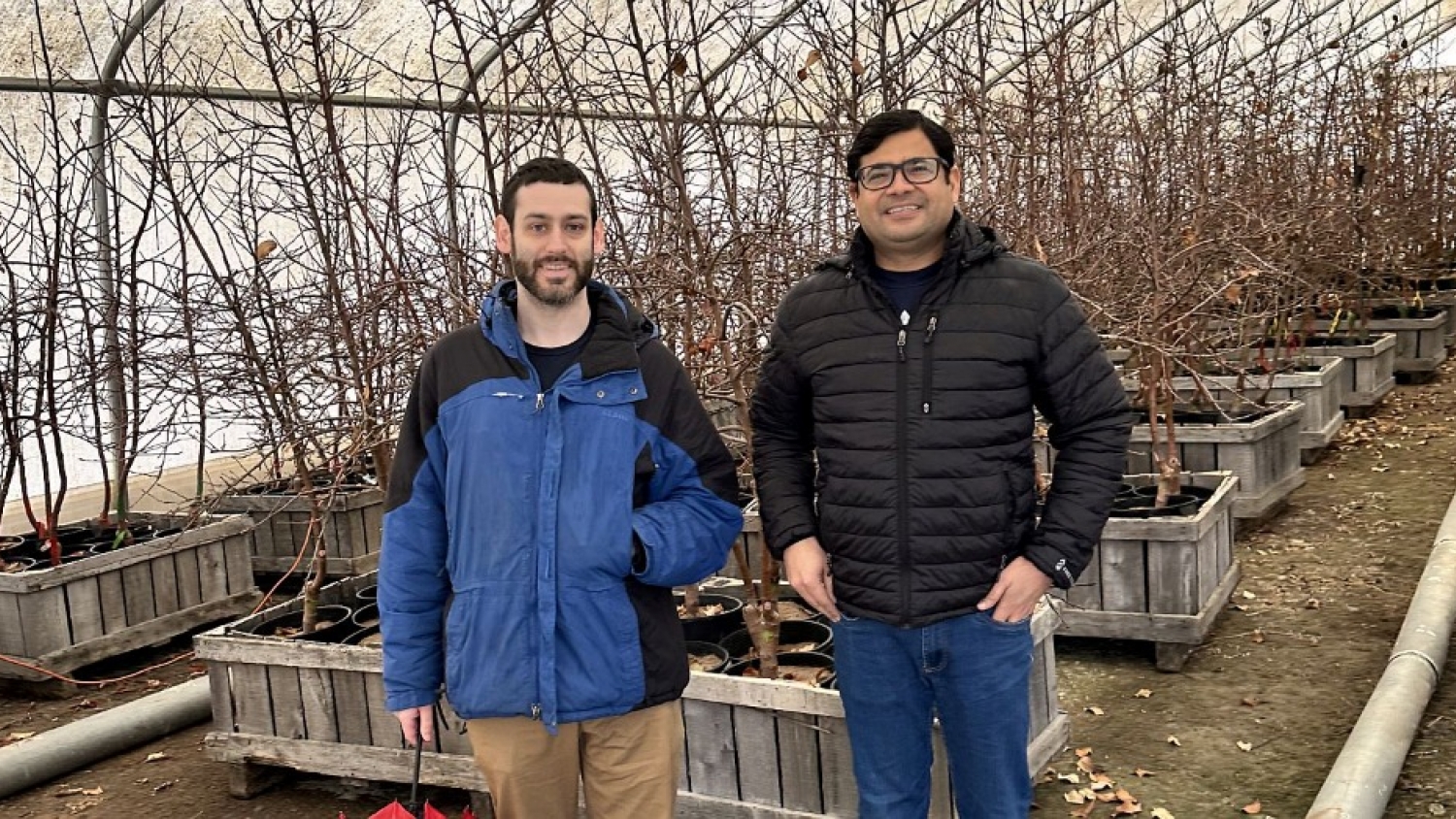
CryoBio was founded by Murli Manohar and biochemical engineer Abe Pressman as a spin-out from venture studio Marble. The company is developing frost protection products inspired by antifreeze proteins found in animals that survive in subzero environments.
“All you need is one night below freezing to destroy the whole crop. In 2024, frost and freeze events alone caused $854 million in US crop losses, with losses rising to up to $3 billion in a bad frost year,” said Manohar.
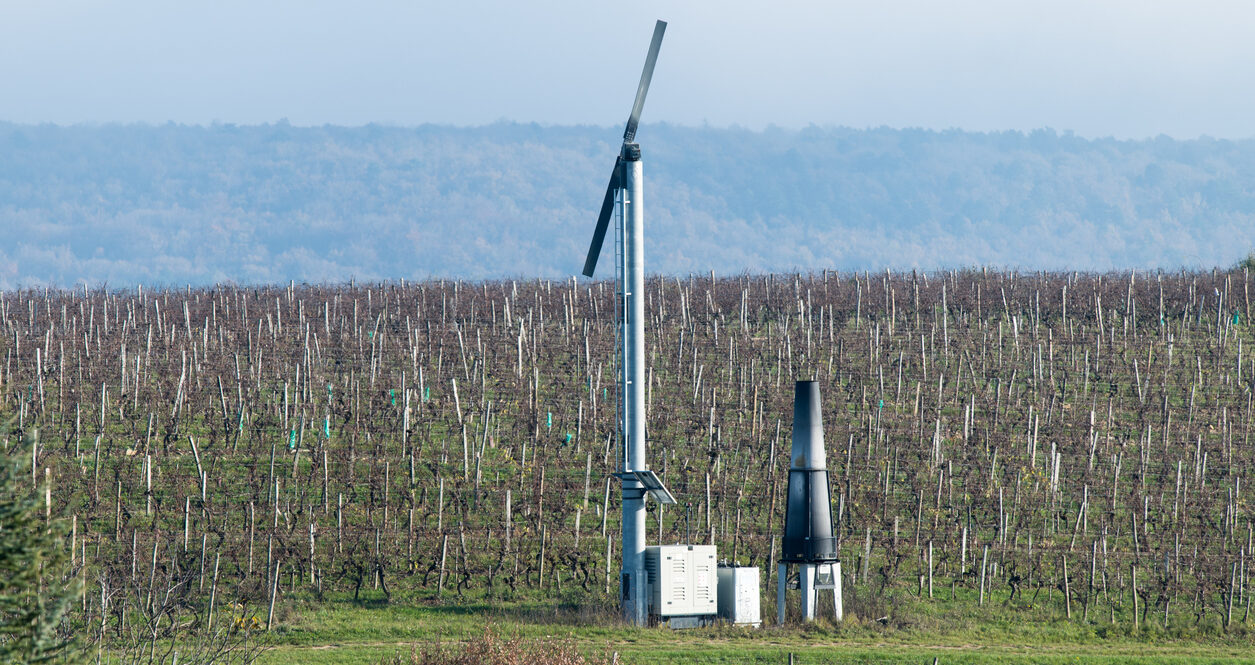
Frost risk has intensified as climate change drives warmer winters and earlier springs, causing crops to bud sooner and become more vulnerable to late cold snaps. According to the company, existing protection tools such as orchard heaters, wind machines, insulation blankets and nutrient sprays are either costly or deliver inconsistent results.
“We have spoken to hundreds of farmers and the general consensus is that these sprays don’t reliably work in real-world conditions and offer, at best, incremental improvements over traditional methods,” Manohar said.
“Vineyard owners still light thousands of candles between rows at 3am, burn hay bales, or hire helicopters to push warm air down onto vines. These methods are prohibitively expensive, inconvenient to operate, and are no match for severe frosts,” he added.
CryoBio’s approach centers on engineering microbes to produce antifreeze proteins in fermentation tanks. The molecules are extracted, freeze-dried into a powder and later mixed with water for spraying onto crops several hours before an anticipated frost event. Once absorbed, the proteins bind to microscopic ice crystals and prevent them from forming larger structures that damage plant cells.
“Think of animals in Alaska or Antarctica,” said Manohar. “When winter comes, some of these organisms go into winter dormancy. From the outside they may look dead, but they produce these molecules, which get into the blood and keep it liquid throughout the winter.”
The company is currently producing the proteins in bacteria at gram scale, with plans to scale to kilograms ahead of commercial launch. Future production may shift to yeast or fungi to improve efficiency. CryoBio is also exploring whether beneficial agricultural microbes could serve as delivery vehicles for the antifreeze molecules, though that path may face regulatory hurdles in some markets due to genetically modified organism rules.
To date, the technology has been tested under simulated frost conditions in controlled greenhouse environments. The next phase involves field trials in New York, Washington State and Canada, focusing initially on apples and grapes.
“We have a freezing chamber where we control the temperature, wind, humidity, but our whole focus now is to get this field validation. Once we have that, we can better understand what the formulation [of a commercial product] is going to look like, what surfactant to add, what stabilizer to add, which polypeptide is the best, as we will be testing a few of them,” Manohar said.
CryoBio expects that, once freeze-dried, the protein-based product could have a shelf life of more than two years. The company aims to launch commercially with growers in New York by 2027.
Regarding regulation, Manohar said the company believes its products may not fall under US Environmental Protection Agency pesticide oversight because they are naturally occurring molecules that do not directly affect plant growth or act as pest control agents. Instead, CryoBio plans to pursue state-level registration pathways and is evaluating whether to position the product as an adjuvant, nutrient supplement, biostimulant or biofertilizer to streamline approvals.
The startup is partnering with multiple contract development and manufacturing organizations to support scale-up, with the goal of establishing several production sites as demand grows.