Cargill is expanding the use of artificial intelligence (AI) across its research and development processes to accelerate innovation in the global agrifood system, company executives revealed in March 2026. The strategy, which spans from consumer insights to manufacturing, aims to address growing pressures such as climate volatility, supply chain disruptions and shifting consumer demands, making faster and more efficient R&D critical for the industry.
As global food systems face increasing complexity, Cargill is turning to AI-driven innovation to rethink how research and development is conducted. The company is embedding digital tools across the entire innovation lifecycle, aiming to reduce uncertainty, shorten timelines and improve scalability.
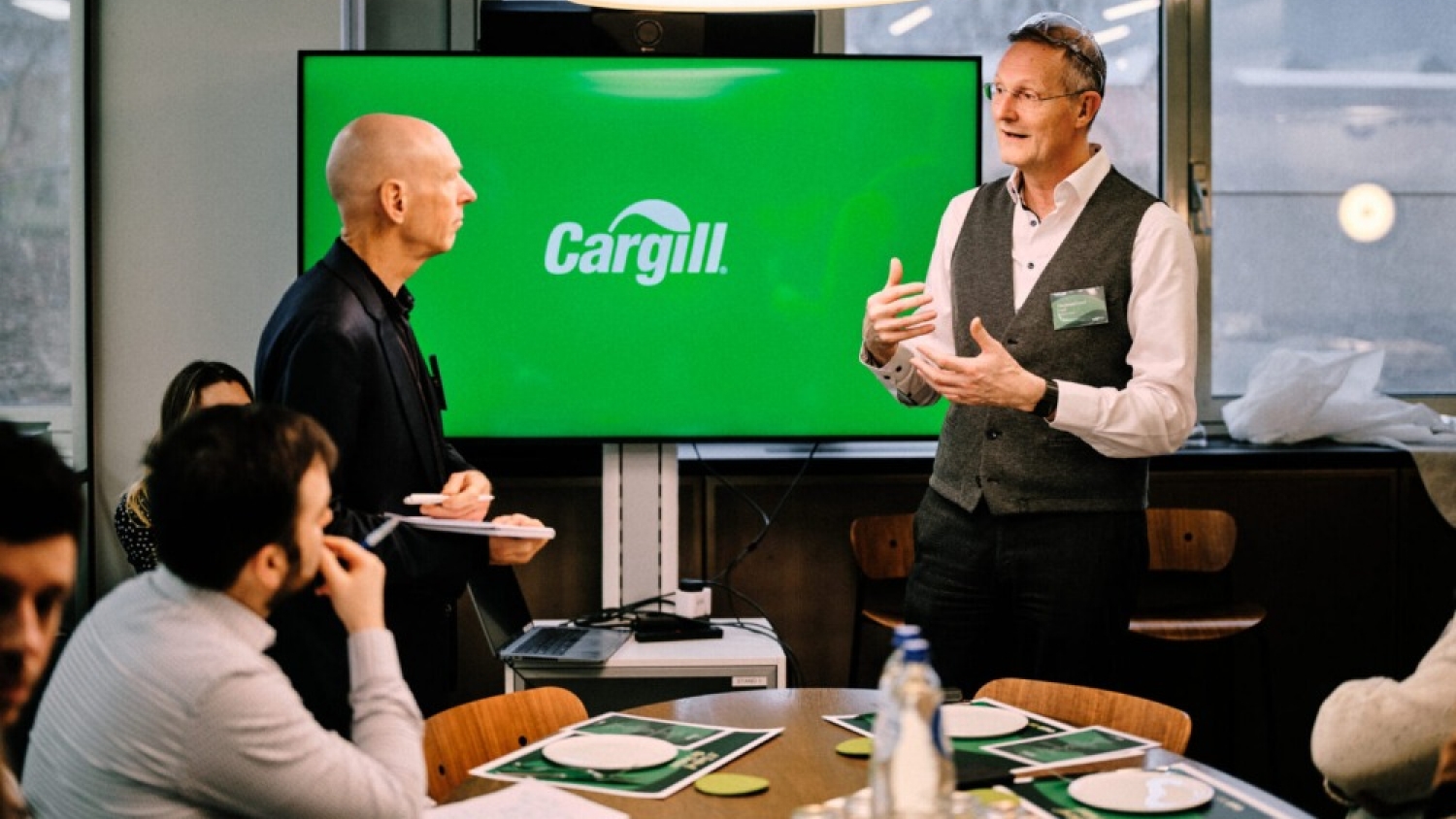
According to Renee Boerefijn, senior director for R&D at Cargill, the concept of speed in innovation has evolved. “Speed is no longer about being first to market,” she said. “It’s about learning faster, scaling responsibly and reducing risk in an increasingly complex system.”
AI across the full innovation journey
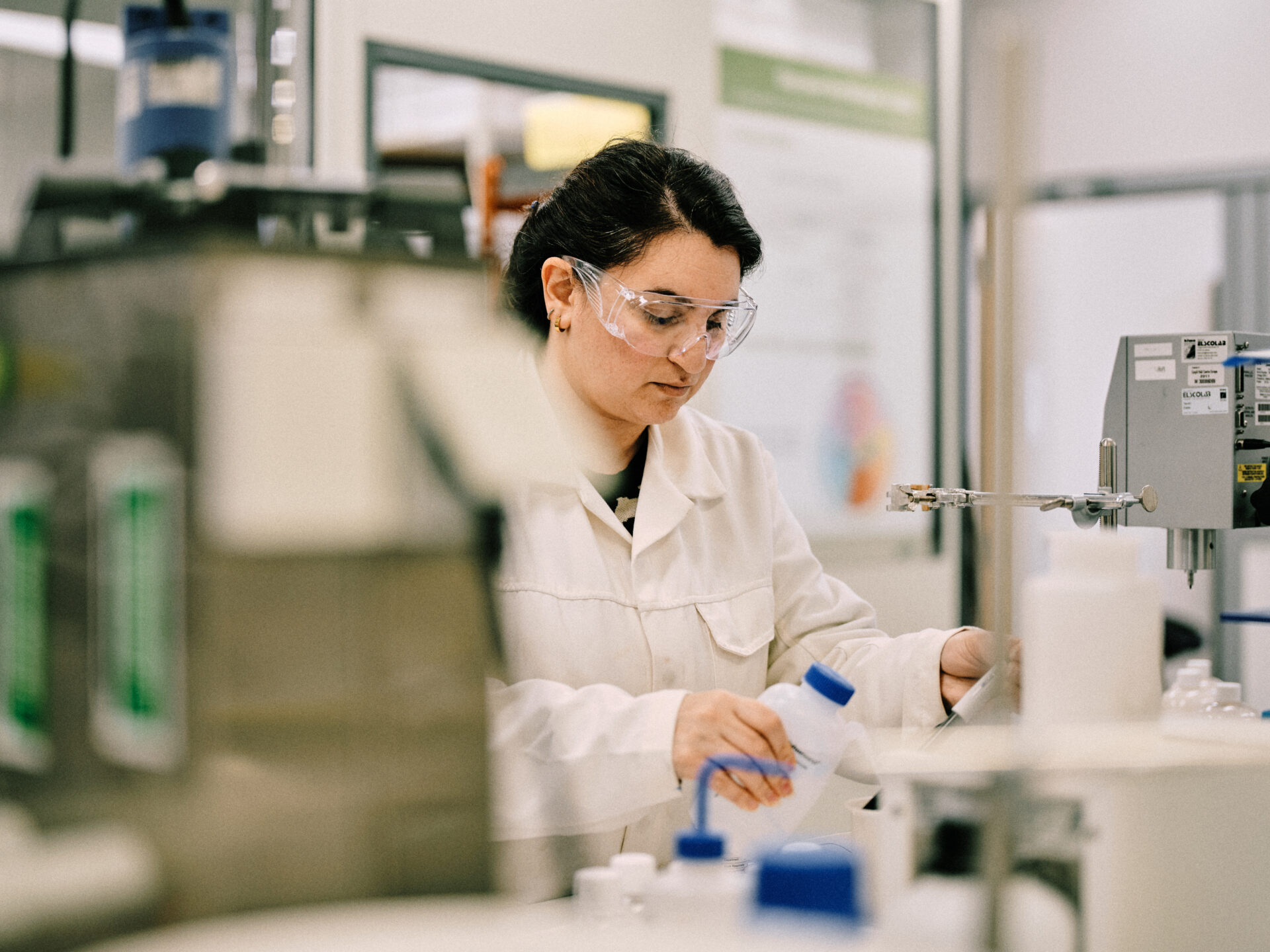
Cargill’s approach focuses on integrating AI and data-driven tools from the earliest stages of product development through to industrial-scale production. This includes consumer research, product formulation, sensory testing and operational execution.
One of the company’s key tools is its proprietary sensory intelligence platform, which combines large datasets, expert panels and predictive modeling. This allows R&D teams to anticipate how products will perform before reaching the market, reducing the need for repeated physical trials.
The company has found that AI delivers the most value when combined with human expertise. Rather than replacing decision-making, AI helps narrow options and accelerate feedback loops, enabling teams to make more informed choices earlier in the process.
Key areas of impact
Cargill is seeing the strongest results where complexity, uncertainty and scale intersect. In ingredient formulation and sensory optimization, AI models help predict how different components behave across markets and consumer preferences. This reduces reformulation cycles and improves product consistency.
In manufacturing, digital tools are being used to optimize processes and identify risks before they escalate. AI-powered inspection systems and simulations support faster transitions from pilot projects to full-scale production.
The company is also connecting R&D with supply chain dynamics and sustainability goals. By integrating factors such as sourcing constraints, price volatility and environmental impact early in development, Cargill aims to create solutions that are both innovative and commercially viable.
Partnerships and collaboration
Collaboration plays a central role in Cargill’s strategy. The company works with startups, academic institutions and technology partners to accelerate innovation.
One example is its partnership with Voyage Foods to develop alternative chocolate products using upcycled ingredients. By combining proprietary technology with AI-driven sensory modeling, both companies can evaluate consumer acceptance more quickly and refine formulations with greater accuracy.
In manufacturing, Cargill has partnered with Boston Dynamics to deploy AI-enabled robotics. At its facility in Amsterdam, autonomous robots perform thousands of inspections each week, helping detect potential safety and equipment issues early.
Why speed matters now
The urgency behind this transformation reflects broader pressures on the global food system. Climate change, raw material shortages, price instability and evolving consumer expectations are converging, making traditional R&D models too slow.
Consumers increasingly demand products that are affordable, sustainable and high-quality at the same time. This creates additional complexity for companies, which must balance performance with resilience.
“AI and digital tools help compress timelines, reduce uncertainty and allow teams to test assumptions earlier,” Boerefijn explained, highlighting the need for more agile innovation processes.

Responsible AI and long-term impact
Cargill is also emphasizing the importance of responsible AI deployment. The company has implemented governance frameworks to ensure that technological advancements do not compromise safety, trust or long-term sustainability.
Investments in infrastructure, such as innovation centers that bring together R&D, regulatory expertise and customer collaboration, are also part of the strategy to accelerate development cycles.
The company’s approach has gained industry recognition, including a major innovation award in 2026, reflecting its focus on combining technology, partnerships and scalability.
Ultimately, Cargill aims to position itself as a connector across the agrifood ecosystem—linking startups, scientists and supply chains to turn ideas into real-world solutions. As the global food system continues to evolve, the ability to innovate faster while managing risk may become a defining factor for industry leaders.