In a move that could reshape the future of precision agriculture, Agmatix and Growers have joined forces to build what they describe as the “Palantir of agriculture”: an artificial intelligence infrastructure designed to standardize fragmented farm data and turn it into actionable insights. The initiative, developed under Growers Tech, was detailed by executives in an interview with AgFunderNews, highlighting its potential to unlock value across the global agricultural supply chain.
The project addresses one of the most persistent challenges in agriculture: data fragmentation. Today, critical information—from field trials to product performance and farmer purchasing behavior—remains scattered across disconnected systems, formats, and regions. This lack of standardization limits the ability of companies, agronomists, and farmers to leverage the ongoing AI revolution.
“The reason the industry hasn’t made material progress is that nobody’s invested the time, energy, and capital to build the infrastructure that’s required to actually do that at scale,” said Steven Valencsin.
A new infrastructure layer for agriculture
The joint platform aims to act as a data infrastructure layer, capable of ingesting large volumes of raw agricultural data, cleaning it, standardizing it, and enriching it with context. This process enables companies to generate faster and more accurate insights across operations.
According to Ron Baruchi, the system is designed to “standardize and harmonize data in agriculture,” solving a problem that has long prevented the industry from scaling digital innovation.
At the core of this technology is a combination of neuro-symbolic AI and a knowledge graph architecture. This approach merges neural networks with structured data models—known as ontologies—to create a system that understands relationships between data points and delivers explainable, reliable outputs.
“This is especially critical in agriculture, where recommendations must be accurate and actionable,” Baruchi explained.
Why data standardization matters now
Agriculture generates massive amounts of data, but its lack of consistency creates inefficiencies. A single product, for example, can appear under multiple names across different systems, making large-scale analysis extremely difficult.
Valencsin illustrated the issue: companies may take up to nine to ten months to reconcile data across retailers, by which time market conditions have already changed. By contrast, the new platform aims to automate this process, dramatically reducing decision-making timelines.
The implications are significant. With standardized data, companies can better understand product performance, market trends, and farmer behavior, enabling more precise commercial and agronomic strategies.
From incentives to intelligence
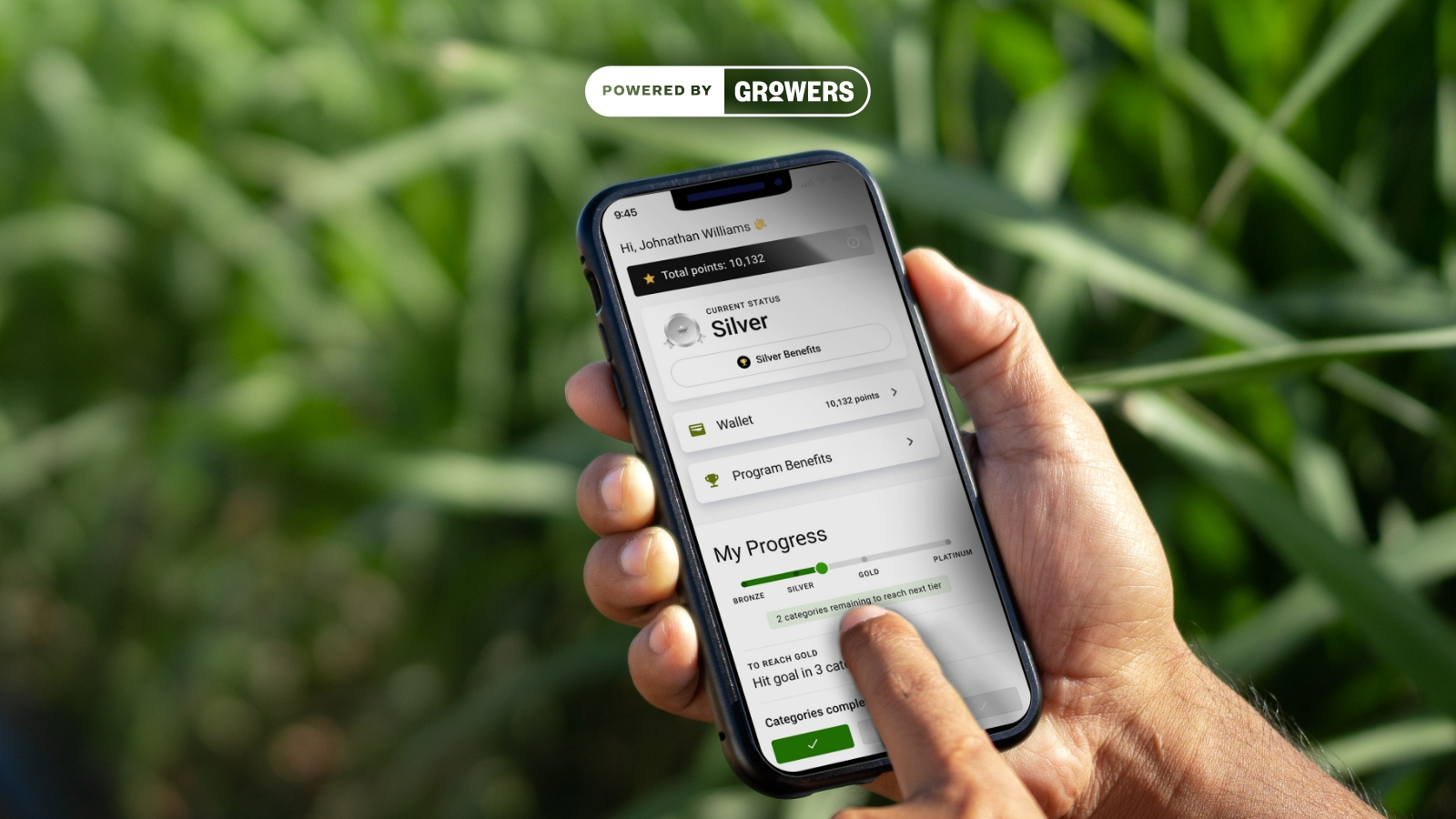
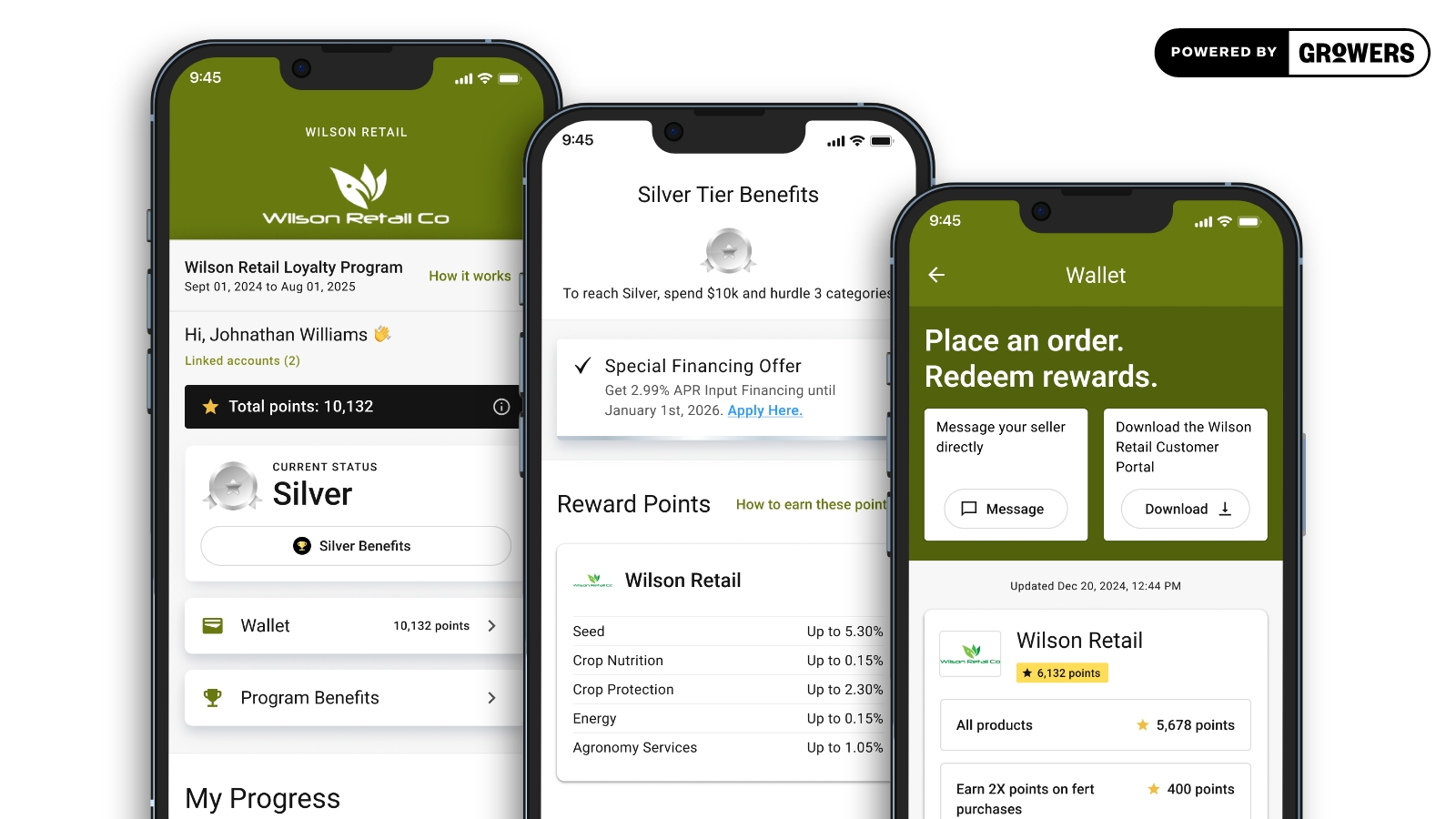
One of the platform’s key innovations lies in its ability to integrate commercial intelligence with agronomic data. Through Growers’ incentive management system, the platform captures detailed insights into farmer purchasing patterns and supply chain dynamics.
This creates a closed-loop ecosystem where retailers, manufacturers, and distributors can align their strategies and optimize performance.
“We’re capturing a very granular view of how the market behaves and turning it into intelligence for the entire supply chain,” Valencsin said.
Impact on farmers and agribusiness
While the platform targets enterprise-level users, its ultimate impact is expected to reach farmers. By enabling more accurate and tailored recommendations, the system could improve decision-making at the farm level.
“Farmers have been investing in technology for years, but many still don’t see the full benefit of their data,” Valencsin noted. “What they need is better, more actionable insights.”
Baruchi added that farmers face one of the most complex management roles in any industry, requiring tools that connect agronomic outcomes with financial returns.
What comes next
Looking ahead, Growers Tech is focusing on scaling its predictive intelligence capabilities. This includes tools to anticipate product adoption trends, detect shifts in farmer preferences, and even predict customer churn within agricultural markets.
The goal is to move beyond retrospective analysis and enable forward-looking decision-making.
“We want to help our customers stop looking backwards and start seeing forward,” Valencsin said.
As agriculture faces increasing pressure from climate change, labor shortages, and market volatility, the ability to unify and interpret data at scale could become a defining competitive advantage. If successful, the platform developed by Agmatix and Growers may not only solve a long-standing industry challenge but also set a new standard for agricultural intelligence worldwide.