Steward, a US-based alternative lending platform founded by Dan Miller, is addressing a key barrier in regenerative agriculture: access to capital. By connecting individual investors directly with farmers, the company finances projects that traditional banks often reject, aiming to unlock growth in a sector with rising demand but limited funding, according to AgFunderNews.
The problem is structural. Many regenerative agriculture producers operate outside conventional systems, making them difficult for banks and government programs to evaluate. As a result, even viable businesses struggle to secure financing.
“The USDA and banks didn’t know what a fish pepper was,” Miller recalled about a farmer unable to secure funding despite strong demand for his crop, according to AgFunderNews.
That experience led to the creation of Steward in 2015. The platform was designed to channel capital from individuals and institutions into agricultural projects that do not fit traditional lending criteria.
Unlike conventional lenders, Steward builds direct financing connections between investors and producers. Individuals can participate with as little as $100, while larger investors such as family offices can also join. This approach expands access to capital beyond the banking system.
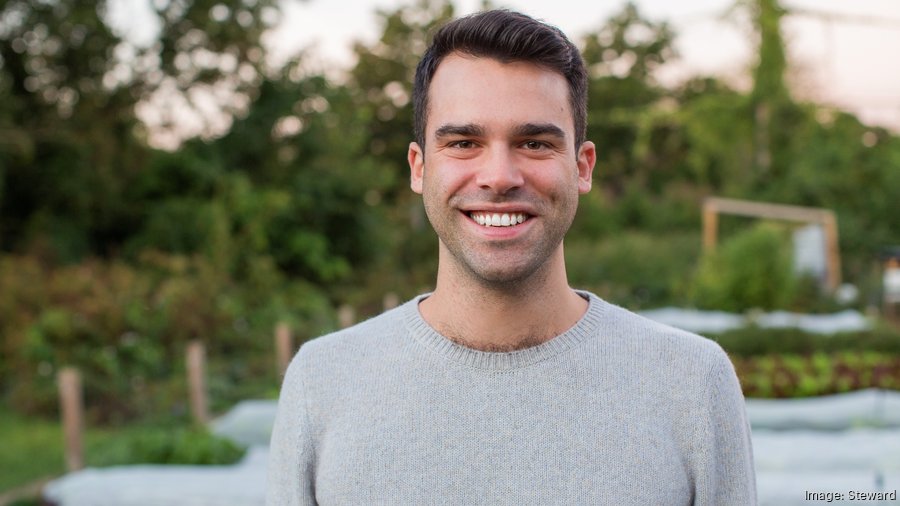
“Our goal is to build a replicable model of financing around scaling regional infrastructure: farmer-owned, farmer-led, regional infrastructure,” Miller said, according to AgFunderNews.
The need for alternative financing is growing. Demand for regenerative agriculture is driven by consumers, but the financial system has not adapted. Farmers transitioning away from conventional practices often lose access to credit.
“We’ve had farmers who, when they stop buying chemicals, the bank stops financing them,” Miller explained, according to AgFunderNews.
This creates a paradox: while demand for sustainable products increases, producers lack the capital to scale. Steward’s model attempts to bridge that gap by supporting projects focused on growth, innovation, and new market creation.
The platform operates in two main ways. First, it originates and structures commercial loans for agricultural projects. Second, it distributes those loans to investors through its platform, allowing them to participate directly in financing.
One example is Cairnspring Mills, a regenerative flour producer. Steward structured multiple financing rounds for the company, including working capital loans and equipment financing. More recently, it helped assemble a complex capital structure anchored by $35 million in debt.
The model has shown strong demand. In one case, Steward raised $2 million from its platform in just four hours without marketing efforts, reflecting high investor interest in regenerative agriculture opportunities.
The platform is also expanding across different segments of the supply chain, including oat mills, livestock processors, and regional food infrastructure projects. These areas often face similar challenges: limited access to capital and reliance on outdated financing models.
Miller argues that the traditional financial system is designed to fund established businesses with predictable cash flows, not new or evolving agricultural models. Regenerative agriculture, by contrast, often requires upfront investment with longer-term returns.
“The financial system is built for funding existing businesses with historical cash flow, but to create a different agricultural model, you need to create new businesses,” he said, according to AgFunderNews.
By focusing on regional infrastructure and producer-led models, Steward aims to build more resilient supply chains. This includes supporting processing facilities, which are often a critical bottleneck for both producers and buyers.
The broader vision is to enable farmers to scale without compromising their values. In many cases, this means creating independent businesses that are economically competitive while remaining tied to local ecosystems.
The rise of platforms like Steward reflects a larger shift in agricultural finance. As consumer demand for sustainable food grows, new funding models are emerging to support producers who have been excluded from traditional systems.
According to Miller, the opportunity is clear but underdeveloped. The challenge now is scaling these alternative financing models to meet the needs of a rapidly evolving agricultural sector, according to AgFunderNews.