Brazil Potash pushes local supply amid global fertilizer crisis
The country seeks to cut import dependence as geopolitical tensions and price volatility disrupt global fertilizer markets
lunes 04 de mayo de 2026
Brazil is moving forward with local potash production to reduce its heavy reliance on imports, as global tensions such as the war involving Iran disrupt fertilizer markets and raise concerns about food security, according to Brazil Potash CEO Mayo Schmidt, as reported by AgFunderNews.
Brazil accounts for about 22% of global potash demand but relies on imports for 98% of its supply, making it highly vulnerable to price swings and logistical disruptions. In response, Brazil Potash is developing the Autazes project in the northwest of the country to provide a domestic source of the key agricultural input.
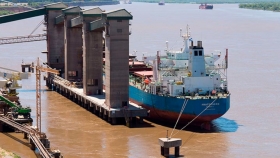
“The global potash market is highly concentrated,” Schmidt said, noting that only a few major suppliers dominate production, creating pricing dynamics similar to an oligopoly. He added that fertilizer shipments can take up to 107 days to reach Brazil, increasing exposure to delays and supply chain risks.
According to Schmidt, the conflict involving Iran is already affecting fertilizer markets both directly and indirectly. “It is having direct and indirect effects,” he explained, citing rising fuel costs, higher maritime insurance premiums, and broader logistical uncertainty. He also pointed to additional risks such as port and rail disruptions and concerns around strategic routes like the Panama Canal.
The Autazes project is expected to produce up to 2.4 million tons annually, potentially covering around 17% of Brazil’s current potash demand. The initiative already has all necessary permits and has seen approximately $270 million invested in early stages including exploration, technical studies, and community engagement.
A key factor behind the project’s viability is the signing of long-term offtake agreements with major agricultural players. “91% of our product is already sold to the agricultural community for the next 10 to 17 years,” Schmidt stated, significantly reducing commercial risk.
Brazil Potash also plans to lower logistics costs by transporting fertilizer through inland waterways in partnership with companies such as Amaggi, improving competitiveness compared to imported products.
The project, which requires an estimated $2.5 billion investment, is targeting first production by 2030. The company is currently in the financing phase, attracting interest from sovereign wealth funds and global investors focused on food security.
At the same time, Brazil’s potash demand is growing at an annual rate of 6.7%, reinforcing the need for expanded domestic production capacity. “Instability has increased significantly,” Schmidt warned, emphasizing that countries are increasingly seeking to secure their supply chains.
Potash is a critical component of fertilizers, providing potassium (K), one of the three essential macronutrients alongside nitrogen and phosphorus. Its availability directly affects crop yields and global food production.
In a world shaped by geopolitical tensions, supply chain disruptions, and market volatility, Brazil’s push for local fertilizer production reflects a broader strategy to gain greater autonomy and resilience in agriculture.
Invertí en periodismo de calidad
En Agroempresario trabajamos para acercarte contenidos que agregan valor.