Windfall Bio, the California-based startup that developed technology to convert waste methane into organic fertilizer, has reportedly ceased operations and is now auctioning off major laboratory and bioreactor assets after raising more than $37 million from climate-focused investors. According to AgFunderNews, the company stopped operating in April while still promoting a large-scale expansion strategy for methane bioconversion technology.
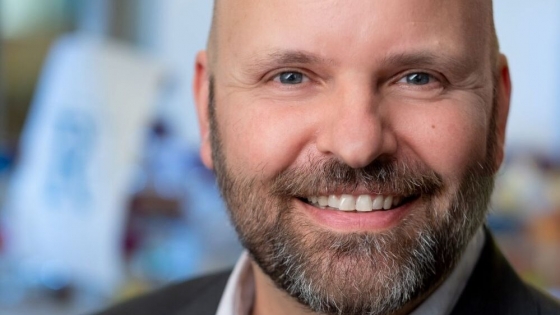
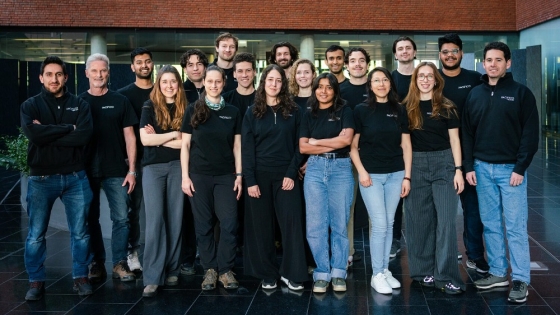
The company, founded in 2022 by Josh Silverman, Carla Risso, and Louis Stenmark, positioned itself as a climate-tech innovator capable of transforming methane emissions from dairy farms and landfill sites into nitrogen-rich biomass used for organic fertilizers.
According to AgFunderNews, two separate online auctions are now underway. One auction includes high-end research and development equipment located at Windfall Bio’s headquarters in San Mateo, California. Another auction involves large-scale bioreactor infrastructure at the company’s demonstration plant in Humble, Texas.
The assets reportedly include advanced laboratory systems such as LC/MS/MS, GC/MS, HPLC equipment, incubator shakers, freeze dryers, and bench-top bioreactors. The Texas facility features industrial-scale fermentation equipment designed to support the company’s methane conversion process.
Windfall Bio had attracted strong investor backing during the past two years. The startup raised a $9 million seed round in 2023 and later secured a $28 million Series A round in 2024. Investors included Prelude Ventures and Amazon’s Climate Pledge Fund.
The company’s business model focused on capturing methane emissions that are typically released into the atmosphere, burned through flaring systems, or converted into renewable natural gas. Windfall Bio instead proposed using microbes capable of consuming methane and transforming it into fertilizer products for agricultural use.
As reported by AgFunderNews, Silverman previously argued that the economics behind renewable natural gas projects had weakened significantly, opening new opportunities for alternative methane utilization technologies.
“So we said, can we do something better with the methane than just releasing it or burning it?” Silverman told AgFunderNews during an interview in late 2025.
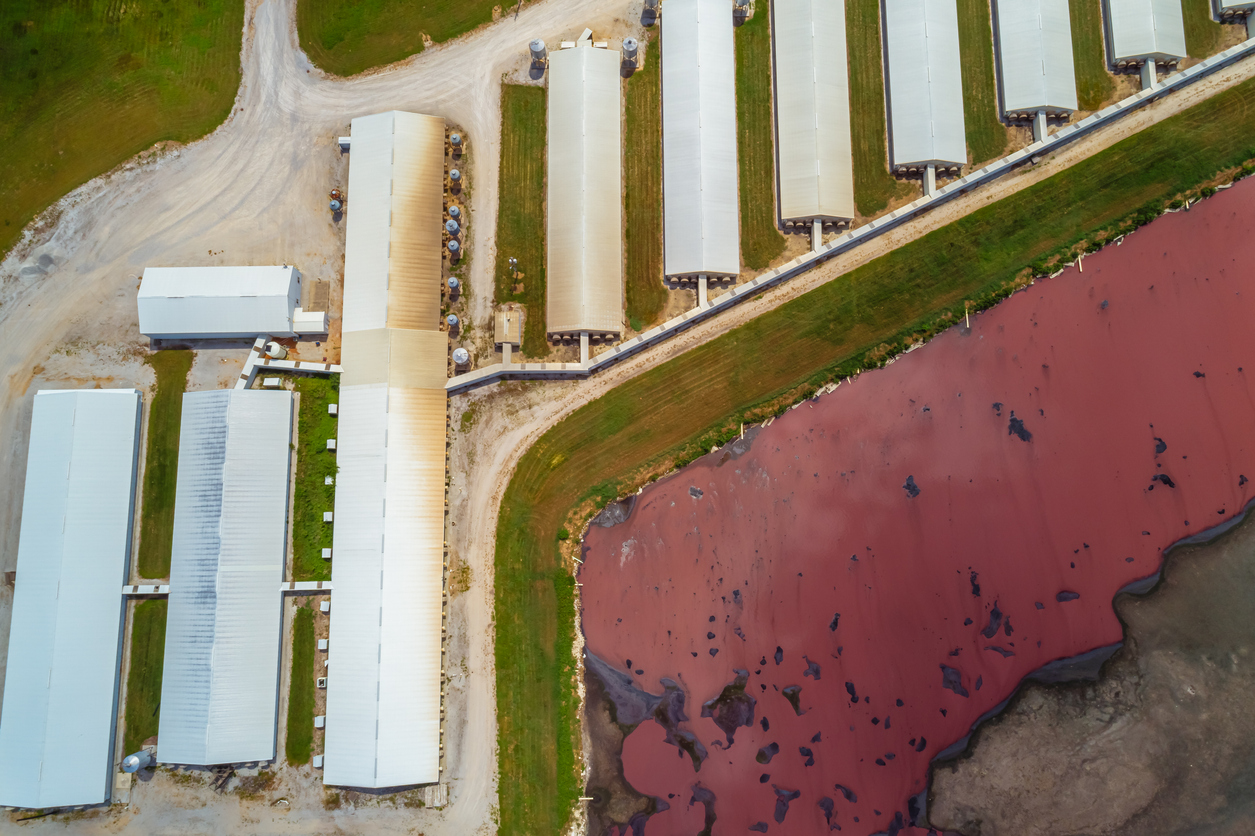
The startup claimed its system could be deployed with relatively low infrastructure costs. On dairy farms, the process involved covering manure lagoons and redirecting methane into containers filled with microbes growing on compost or biochar. At landfill sites, the company used liquid fermentation systems to create more concentrated fertilizer products.
Windfall Bio also pursued public funding opportunities. The US Department of Energy selected the company for a grant program in late 2024 focused on methane bioconversion systems intended to replace gas flaring technologies. However, the project later appeared on a list of terminated federal awards obtained by Latitude Media in 2025.
The shutdown highlights the broader challenges facing the climate-tech and biomanufacturing sectors, where many startups have struggled to scale capital-intensive technologies despite strong investor enthusiasm during recent years.
Windfall Bio’s collapse comes at a time when interest in methane mitigation remains high globally. Methane is considered one of the most powerful greenhouse gases, and governments continue searching for commercially viable solutions capable of reducing emissions from agriculture, waste management, and energy production.
According to AgFunderNews, the company had previously claimed strong market interest from customers seeking profitable alternatives for handling waste methane streams. Silverman stated at the time that “billions of cubic meters of methane are being flared or vented every year.”
Despite the shutdown, the broader market for methane capture and biological conversion technologies continues to attract investment as industries seek lower-emission production systems and circular economy solutions.