Canadian biotech company Renaissance Bioscience unveiled a new yeast-derived virus-like particle (VLP) platform aimed at significantly expanding the capabilities of RNA interference (RNAi) biopesticides. The technology could enable more stable, scalable and cost-effective biological crop protection products capable of targeting a broader range of agricultural pests and diseases.
According to AgFunderNews, the Vancouver-based company developed a system that repurposes naturally occurring double-stranded RNA viruses found inside yeast cells. Researchers remove the viruses’ original genetic material and replace it with custom-designed double-stranded RNA (dsRNA) payloads intended to silence specific genes in pests.
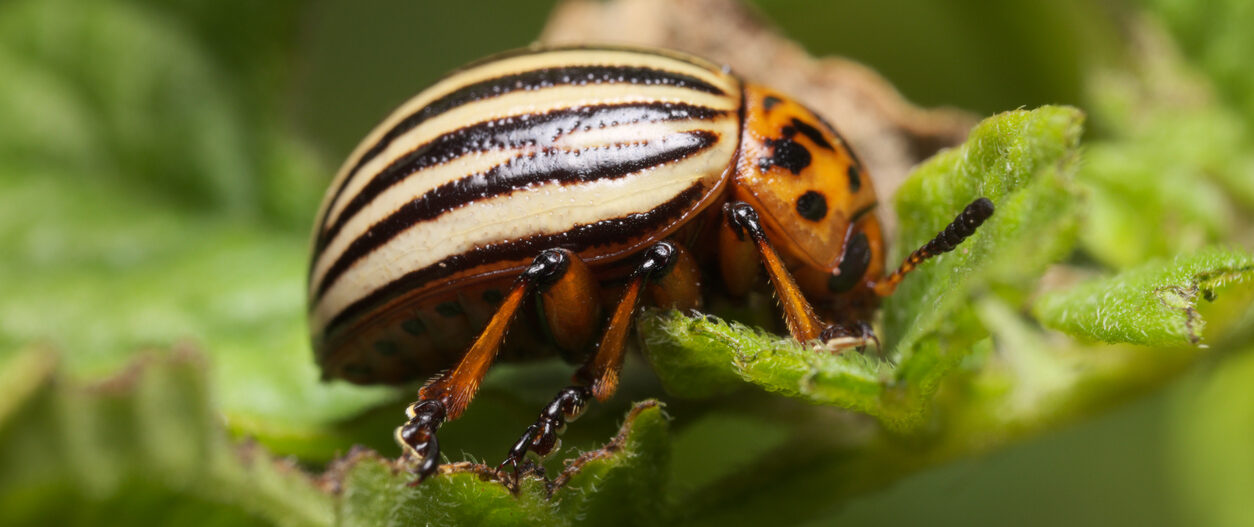
The innovation represents a major evolution of the company’s first-generation RNAi platform, which already uses engineered baker’s yeast to produce dsRNA molecules targeting insects such as the Colorado potato beetle.
The original system relied on insects consuming the yeast cells directly, which limited its effectiveness primarily to chewing insects. The newly developed VLP nanocarriers, however, are much smaller—approximately 40 to 50 nanometers in size—and may enable broader delivery applications across agriculture.
“We’ve discovered a new way to package double stranded RNA inside of yeast,” said Renaissance Bioscience chief scientific officer John Husnik, according to AgFunderNews.
The company believes the technology could eventually support the development of not only insecticides, but also RNAi-based fungicides, herbicides and crop protection products aimed at non-chewing pests.
Unlike conventional synthetic pesticides, RNAi technology works by targeting highly specific genetic sequences in pests, reducing the risk of damage to beneficial insects, wildlife, soil health and surrounding ecosystems.
One of the major challenges in the RNAi industry has been the instability of RNA molecules, which are highly fragile and difficult to preserve under normal environmental conditions. Renaissance says its yeast-based platform helps protect the dsRNA, allowing storage at ambient temperatures for extended periods.
The second-generation VLP system could further improve production efficiency. Husnik explained that the company is now achieving significantly higher dsRNA yields compared to its previous platform.
“Now we get extraordinary higher amounts and the broader application, that’s why we’re quite excited about it,” he stated.
The company acknowledged that extracting the VLPs from yeast cells adds an extra processing step and increases downstream production costs. However, Renaissance argues that the larger RNA output offsets those additional expenses.
The platform also offers flexibility for future pest management strategies. Instead of engineering a single strain to target multiple pests simultaneously, the company could develop separate yeast strains carrying different RNA payloads and combine them later into customized biological pesticide formulations.
Renaissance Bioscience has already conducted field trials using its first-generation RNAi platform, mainly against the Colorado potato beetle, one of agriculture’s most destructive insect pests. The company also confirmed collaborations with European partners under non-disclosure agreements.
The United States is expected to become the company’s first commercial target market due to what executives describe as a more favorable regulatory framework for agricultural biotechnology innovations.
The regulatory pathway for the new VLP platform remains in early stages. While regulators are already familiar with RNAi-based crop protection systems, the use of virus-like particles in agriculture is still relatively new.
Even so, VLPs are not entirely unknown in biotechnology. According to Husnik, similar structures are already used in some human vaccines, including certain HPV vaccines.
“It’s very early days. We literally just filed the provisional patent,” Husnik said.
The company is now seeking additional development partners interested in adapting the yeast-based RNAi delivery platform for region-specific crop diseases and pest challenges.
As global agriculture faces increasing pressure to reduce chemical pesticide use while improving crop productivity, biological solutions such as RNAi are attracting growing interest from investors, regulators and food companies searching for more sustainable farming technologies.