Ranchers in northern Mexico are beginning to see direct financial returns from regenerative grazing practices through a large-scale carbon removal initiative led by climate tech company Boomitra. According to AgFunderNews, the company recently started distributing payments linked to more than 3 million carbon credits issued under its Northern Mexico Grasslands Restoration Project.
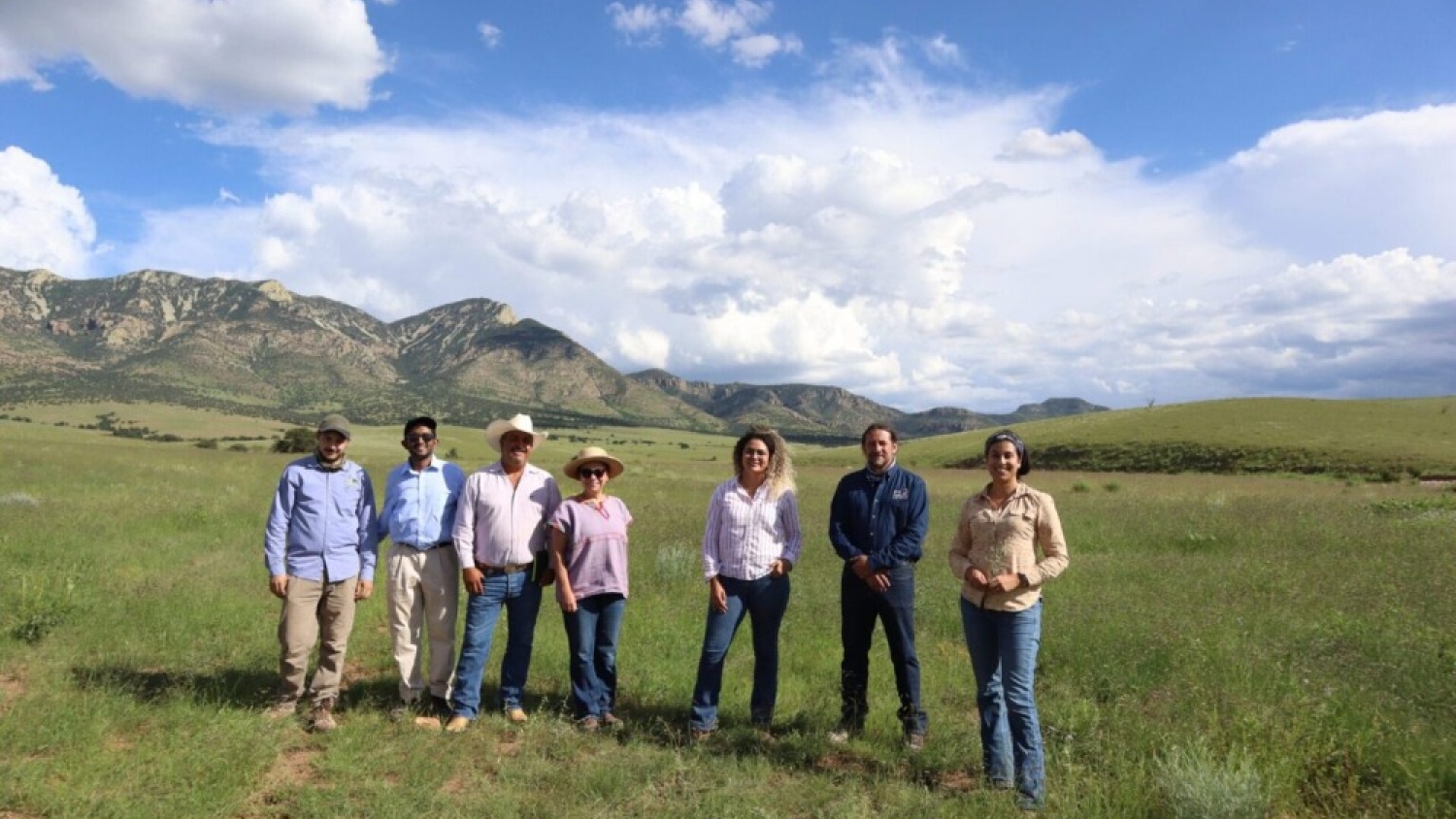
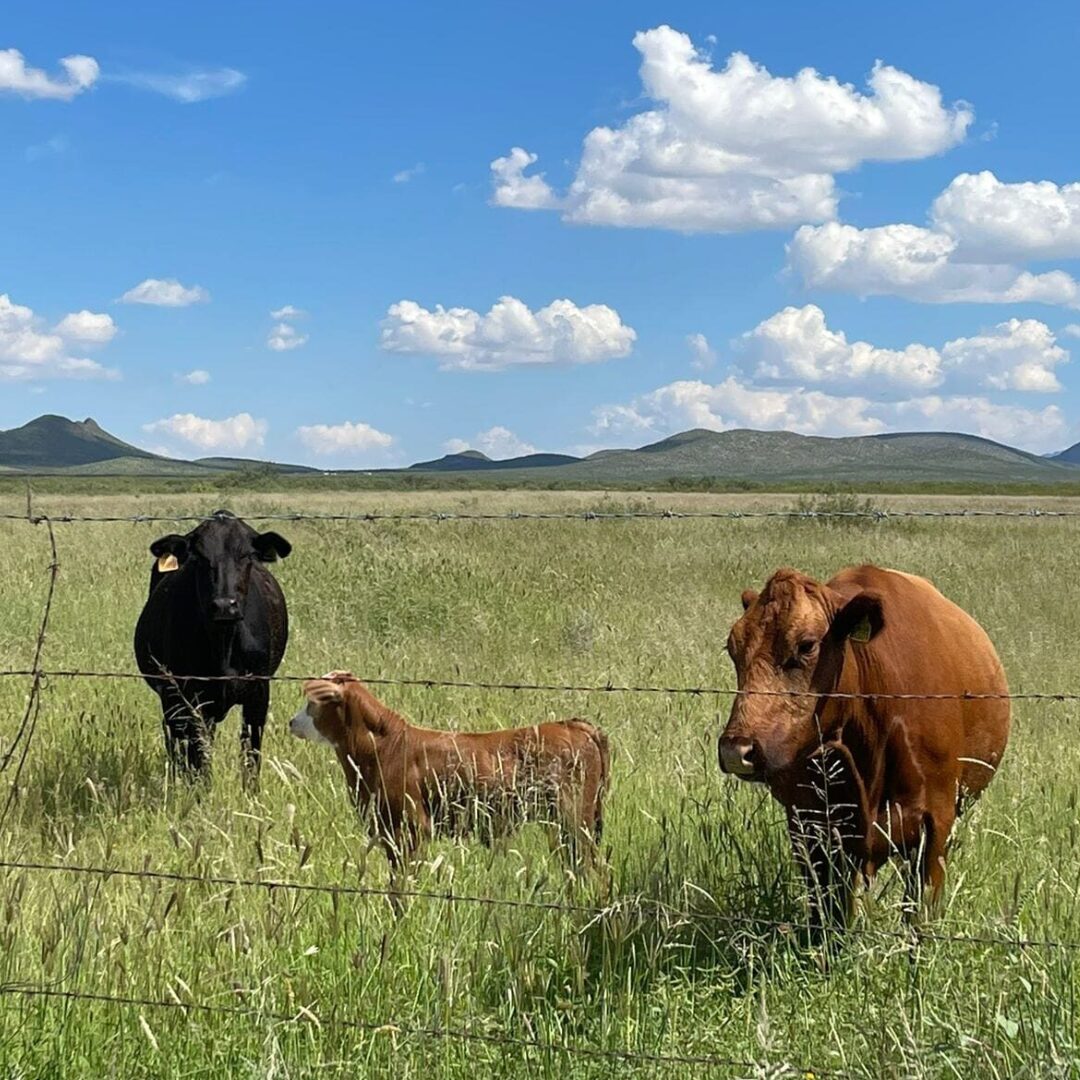
The project, launched in 2018, focuses on restoring degraded grasslands across the Chihuahuan and Sonoran desert regions through regenerative livestock management. Today, the initiative includes 158 ranching families operating across community-owned ranches and private lands.
Boomitra generates carbon credits by helping ranchers adopt regenerative practices such as rotational grazing, which improves soil health and increases the amount of carbon stored underground. These credits are then sold on voluntary carbon markets to companies seeking to offset emissions.
According to AgFunderNews, buyers of the credits include Deloitte NSE, the Ethereum Climate Platform, and Restoration Climate. Verra issued 3.03 million carbon credits for the project earlier this year, enabling the first wave of payments to participating ranchers.
“Behind every credit in this issuance is a rancher who put in years of patient work to restore the ecosystems their families depend on,” said Boomitra founder and CEO Aadith Moorthy.
“These payments are a meaningful recognition of the stewardship, science, and trust that have guided this project from the beginning,” he added.
The company says at least 75% of gross carbon revenue goes directly to ranchers and local implementation partners. Boomitra retains a share of the proceeds for project development, monitoring, and verification.
Moorthy emphasized that the payments are based on already verified and issued credits rather than advance financing.
“These are not prepayments to the farmers. These are regular payments that come from the sales of the credits happening in the market on an ongoing basis,” he explained.
The environmental impact of the initiative extends beyond carbon storage. According to Boomitra, regenerative grazing has helped restore biodiversity, improve native grass recovery, and increase the carrying capacity of ranchland.
“After a certain period of degradation, the amount of livestock the land will handle becomes very small. But as you restore it, the amount of livestock the land can handle starts to increase,” Moorthy said.
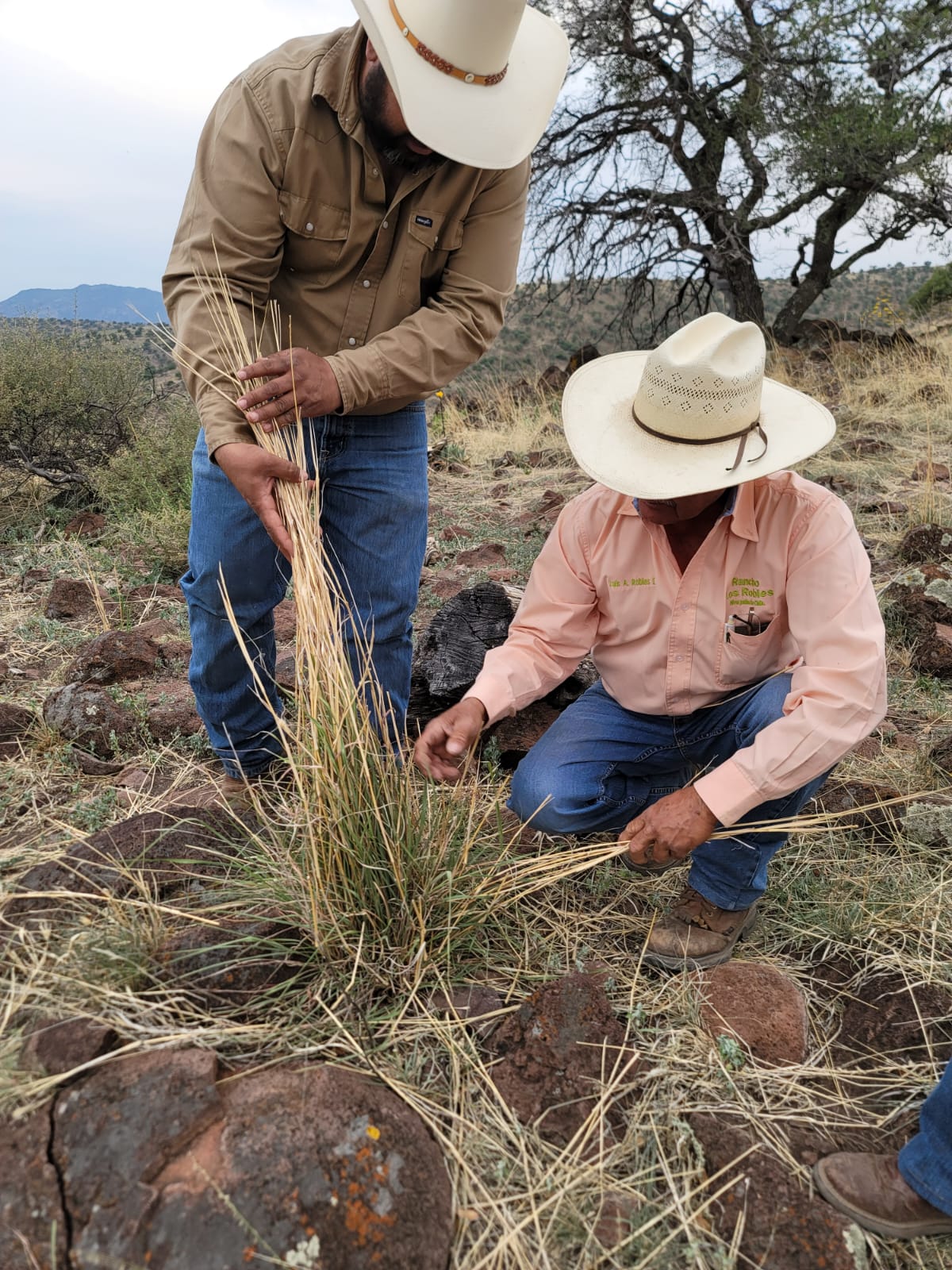
Biodiversity assessments cited by AgFunderNews identified 281 plant species and 436 animal species across project areas, including 41 classified as endangered, threatened, or rare. One ranch reportedly recovered more than 60 native grass species after conventional grazing practices had reduced biodiversity to a single dominant grass.
Boomitra combines satellite imagery, artificial intelligence, and a database of more than one million georeferenced soil samples to monitor soil organic carbon levels over time. The company says all projects undergo third-party verification under Verra’s VM0042 standard and the Social Carbon framework.
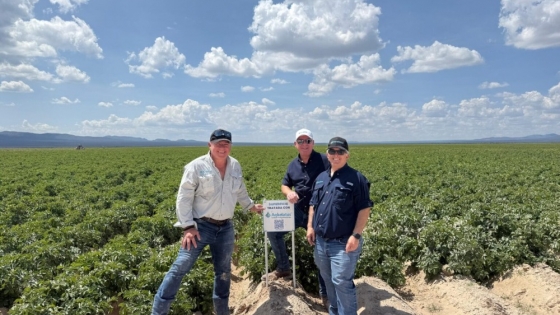
The project’s success in Mexico is also driving regional expansion. According to Moorthy, Boomitra is already developing similar carbon farming initiatives in Argentina, Kenya, India, and other Latin American countries.
The company believes regenerative agriculture projects can be especially profitable in emerging markets where carbon credit revenue has a stronger economic impact for producers.
“The same money in Mexico obviously goes a longer way than the same money in the US,” Moorthy said. “They tell their neighbors and others are interested in joining.”
As demand for high-quality carbon credits grows globally, projects tied to regenerative agriculture and soil restoration are attracting increasing interest from corporations seeking measurable climate impact alongside biodiversity and community benefits.