Pentagon backs “protein from air” with $9M biotech grant
Biosphere will develop portable bioreactors using gas fermentation to produce protein, aiming to cut costs and enable decentralized production
miércoles 06 de mayo de 2026
The US Department of Defense has awarded a $9 million grant to Biosphere, a California-based startup, to develop portable bioreactors capable of producing protein from air using gas fermentation. The project, announced May 5, 2026, seeks to enable decentralized food and material production in challenging environments where traditional supply chains are unreliable, a strategic priority for the Pentagon.
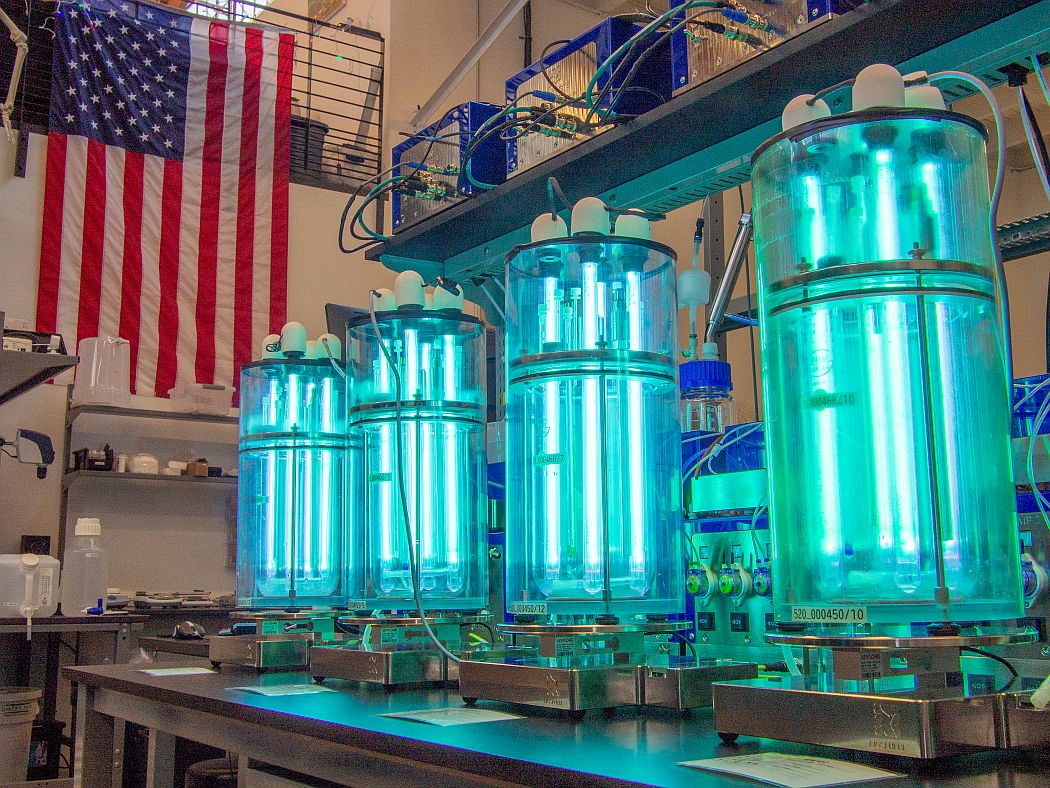
Biosphere, founded in 2022, is working on UV-sterilized bioreactors designed to reduce costs and improve efficiency in biomanufacturing. According to AgFunderNews, the funding will support the creation of a prototype system that can operate continuously, incorporating water recycling, media reuse, and downstream processing.
The initiative reflects a broader shift within the Department of Defense toward distributed production systems, ranging from compact mobile units to larger facilities. These systems are intended to function in “contested” environments, where access to food, materials, and therapeutics may be limited.
At the core of the project is gas fermentation, a process that feeds microbes with gases instead of sugars to produce protein. This method can reduce input costs and allow longer production cycles, although it presents technical challenges, particularly in handling gases like hydrogen and carbon dioxide.
Biosphere CEO Brian Heligman explained that the company recently acquired intellectual property related to “protein from air,” which will be deployed in the Pentagon-funded project. “We made a strategic acquisition that we will be announcing in the near future, but our focus is on making robust hardware systems that can reliably operate in automated ways with streamlined maintenance and operations,” he said, según informó AgFunderNews.
A key innovation in Biosphere’s approach is the use of UV light for sterilization, replacing traditional steam-based systems. Conventional sterilization requires complex infrastructure, including boilers and extensive piping, which increases both capital and operational costs. By contrast, UV sterilization can speed up processes, reduce maintenance, and enable smaller reactor designs.
The company has already validated its technology at smaller scales and is now advancing toward a 20,000-liter demonstration facility. The Pentagon project will push the technology further by integrating it into portable systems capable of operating in the field.
Gas fermentation, while promising, remains a technically demanding field. It requires specialized reactor designs to ensure effective gas-liquid mixing and safe handling of volatile gases. It also depends on access to sustainable inputs such as green hydrogen, which can be costly and difficult to source.
Despite these challenges, the technology is gaining traction across the alternative protein sector. Companies are exploring its use not only for fuels and chemicals but also for food and feed production, positioning it as a potential solution for scalable, low-resource protein manufacturing.
Heligman noted that public funding plays a crucial role in advancing such technologies. “If it were not for this public sector opportunity, it’s hard to prioritize gas fermentation as the scale that’s required is much larger, but it is a sector that we believe in,” he said, según informó AgFunderNews.
Beyond this project, Biosphere sees opportunities to collaborate with other companies in the space through licensing or joint ventures. The broader goal is to contribute to a new generation of biomanufacturing infrastructure, combining hardware innovation with advances in microbial engineering.
The Pentagon’s investment highlights growing interest in resilient, decentralized production systems, particularly in sectors like food and biotechnology. If successful, Biosphere’s portable reactors could enable protein production in remote locations, disaster zones, or military operations, reducing dependence on traditional supply chains.
Invertí en periodismo de calidad
En Agroempresario trabajamos para acercarte contenidos que agregan valor.