The agriculture industry’s biggest obstacle to adopting artificial intelligence and precision farming may not be technology itself, but a lack of data literacy among growers and agronomists. According to AgFunderNews, agtech entrepreneur Rob Ward argues that “data phobia” is preventing farmers from fully embracing data-driven agriculture and limiting the impact of advanced digital tools across the sector.
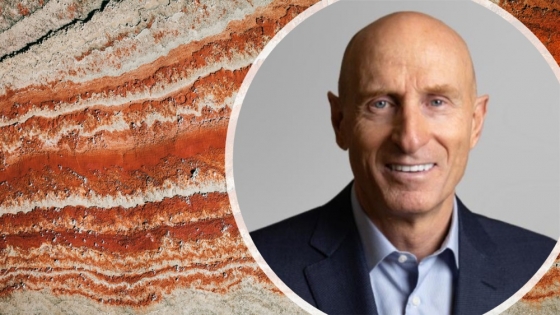
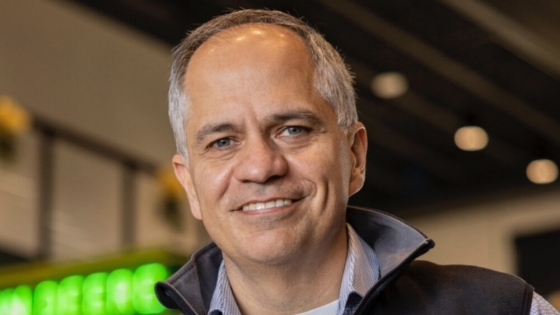
Ward, CEO and cofounder of UK-based agtech company Vitagri Org Ltd, believes many farmers continue relying on instinct and traditional experience because they were never properly taught how to interpret structured data, statistical models or predictive analytics.
In a guest article published by AgFunderNews, Ward explained that the issue is not resistance to innovation, but rather a broader educational gap within agriculture. “The agriculture industry has never been properly taught what data actually is, how it works, or why it matters,” he wrote.
The debate comes at a time when artificial intelligence, machine learning and precision agriculture tools are becoming central topics across global farming conferences and agtech investment strategies. Yet according to Ward, many of these innovations fail to achieve large-scale adoption because the people expected to use them often lack the training needed to understand the results they generate.
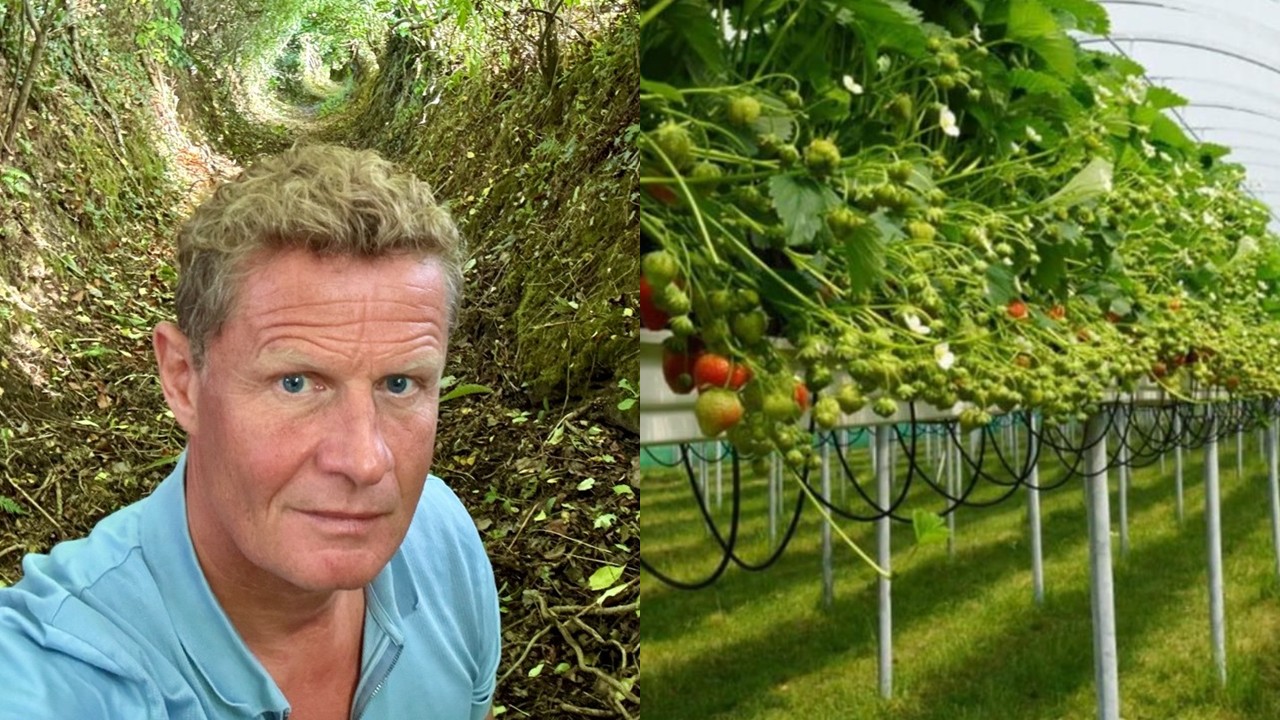
Ward described “data phobia” as the reluctance to engage with structured information, statistical thinking and predictive modeling. He warned that without systematic education, agriculture’s data revolution risks remaining trapped in pilot projects and limited productivity gains.
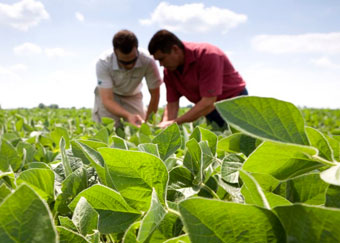
The article highlights a growing challenge for the sector: turning large amounts of agricultural information into actionable decisions. Soil pH readings, nutrient measurements, crop performance indicators and biological data all produce valuable insights, but only if farmers can interpret them correctly.
According to AgFunderNews, Ward pointed to the relationship between farming practices and food nutrition as one example where data literacy becomes essential. Research increasingly shows that soil biology, farming systems and crop management can significantly influence nutritional outcomes, including antioxidant levels in food.
“If we can predict which farming practices produce more nutritious food, we can reward growers for health outcomes, not just yield,” Ward explained.
He also emphasized that technologies such as near-infrared spectroscopy and predictive nutrient analysis are only useful if users understand concepts like confidence intervals, averages and data quality. Without that knowledge, many farmers may view complex datasets as unreliable or difficult to trust.
Ward criticized the tendency of agtech companies to focus on product-specific training instead of broader education. In his view, data literacy should be open-source, collaborative and vendor-neutral rather than tied to proprietary platforms.
“Data literacy is too important for any single company to control,” he stated in comments reported by AgFunderNews.
To address the issue, Vitagri partnered with the Bionutrient Institute to create a free educational platform designed to teach data-driven agriculture in plain language. The initiative aims to help agricultural professionals understand statistical relationships, predictive models and structured datasets regardless of which technologies they use.
Ward argued that improving data fluency across agriculture would benefit the entire food system. Better-informed farmers and agronomists could evaluate digital tools more effectively, identify weak recommendations and improve farm-level decision-making.
The broader implication is that the future of agriculture may depend not only on better algorithms, but also on a workforce capable of understanding how those algorithms function and where their limitations exist.
As precision agriculture continues expanding worldwide, the discussion around education and data literacy is becoming increasingly relevant for producers, agronomists, technology developers and food companies alike.