In Inyo County, Rachel Kulchin transformed a small pandemic-era backyard initiative into Blue Heron Farm, a 10-acre regenerative agriculture operation designed to strengthen local food security in a region heavily dependent on imported food.
According to AgFunderNews, what began as a modest response to Covid-19 disruptions has evolved into a scalable model for regenerative agriculture in extreme environments. Kulchin launched what she described as a “black market CSA” in 2020, supplying fresh produce to a handful of families when supply chains collapsed and supermarket shelves emptied.
“There’s only three roads in and out of this area, and they were all shut down at the same time,” she explained. “And 99% of our food is imported in this valley, so when the shelves went bare during covid, it was like, Oh snap, we are really a fragile community.”
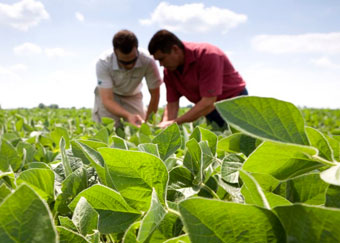
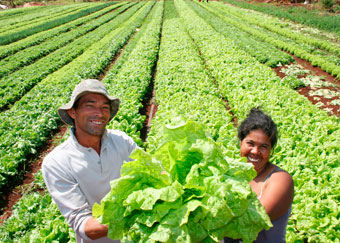
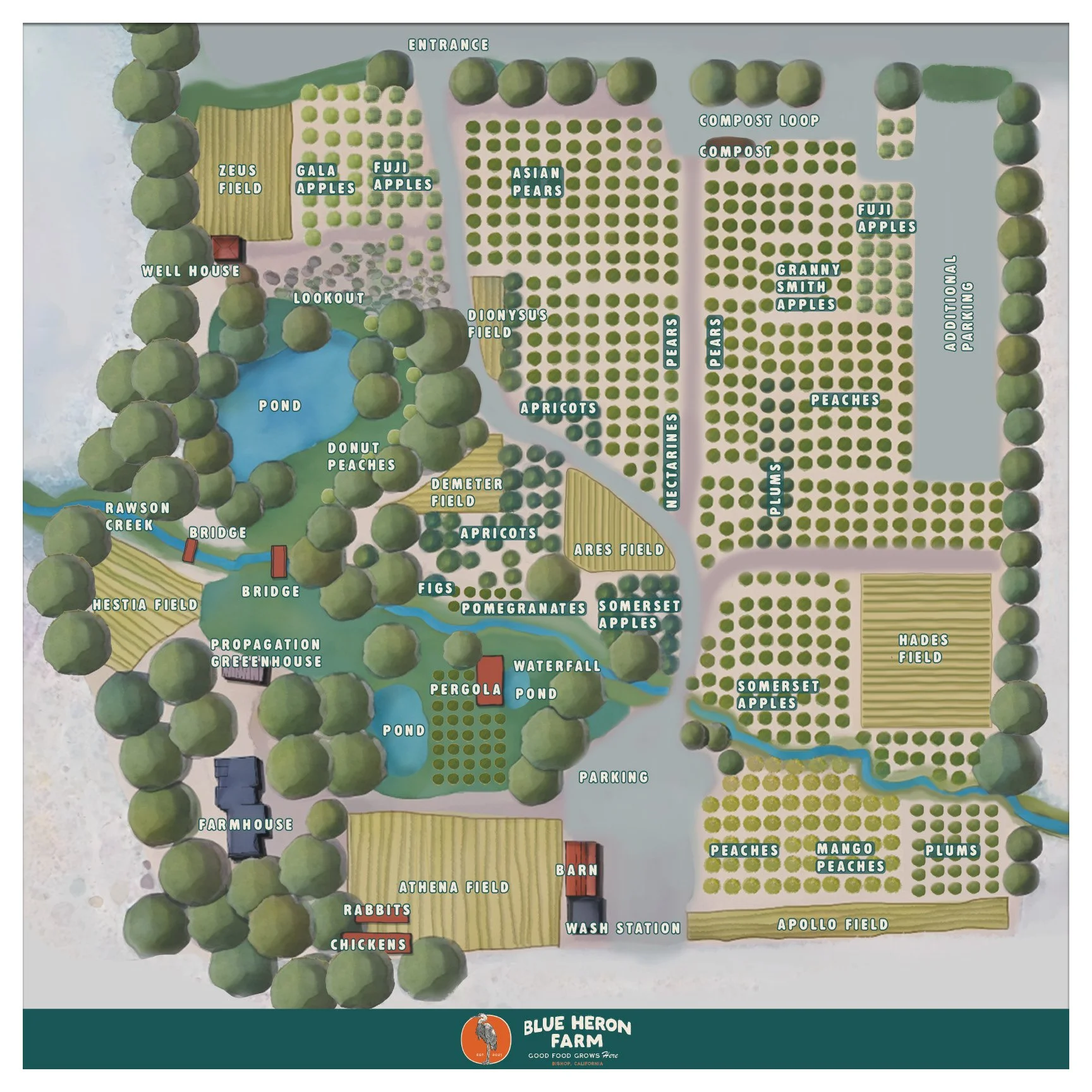
That initial effort quickly expanded. Over several years, neighbors offered their land for cultivation, and the community-supported agriculture network grew steadily. By 2025, Kulchin and her partner Aki Stankoski secured a 10-acre property in Bishop, establishing Blue Heron Farm as a mixed orchard and vegetable operation.
In its first full season, the farm produced 47,000 pounds of food and cultivated more than 1,000 fruit trees, demonstrating the viability of regenerative practices even in a high-desert climate.
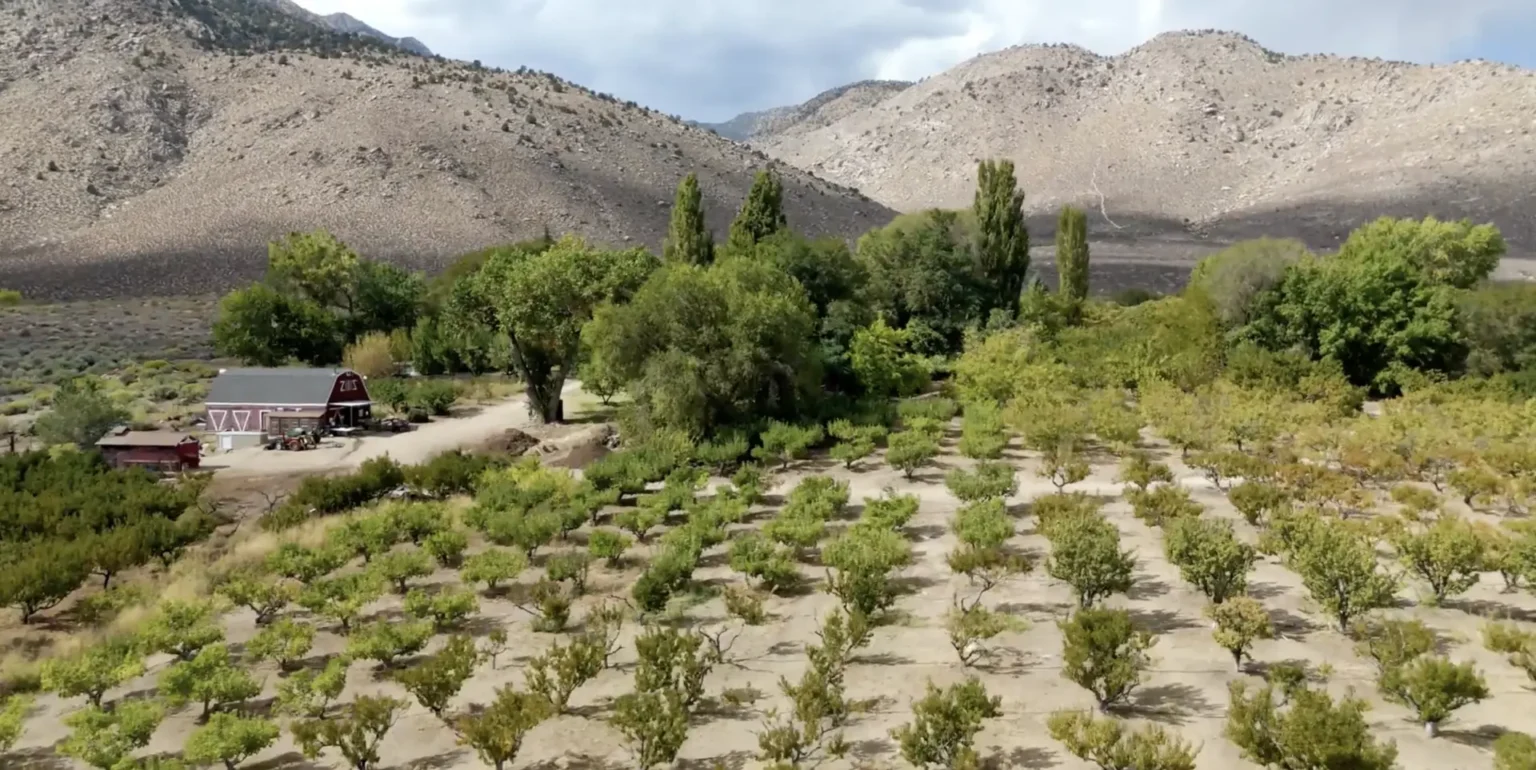
The environmental challenges are significant. The region experiences extreme temperature swings of up to 40 degrees between day and night, strong winds, and limited soil fertility. However, the most critical constraint is water access.
Much of the land and water rights in the region are controlled by the Los Angeles Department of Water and Power, which has historically diverted water to Los Angeles. This makes irrigation a central issue for any agricultural activity.
Kulchin emphasized the importance of this resource: “You could have land, but if you don’t have water, you have nothing.” Blue Heron Farm is unusual because it includes water rights, allowing the team to implement regenerative systems focused on soil health, biodiversity, and year-round production.
Despite this advantage, infrastructure remains a priority. The farm is currently investing in irrigation systems that will support future initiatives such as pollinator habitats, hedgerows, hoop houses, and cover crops. These elements are essential to building a closed-loop, sustainable farming model.
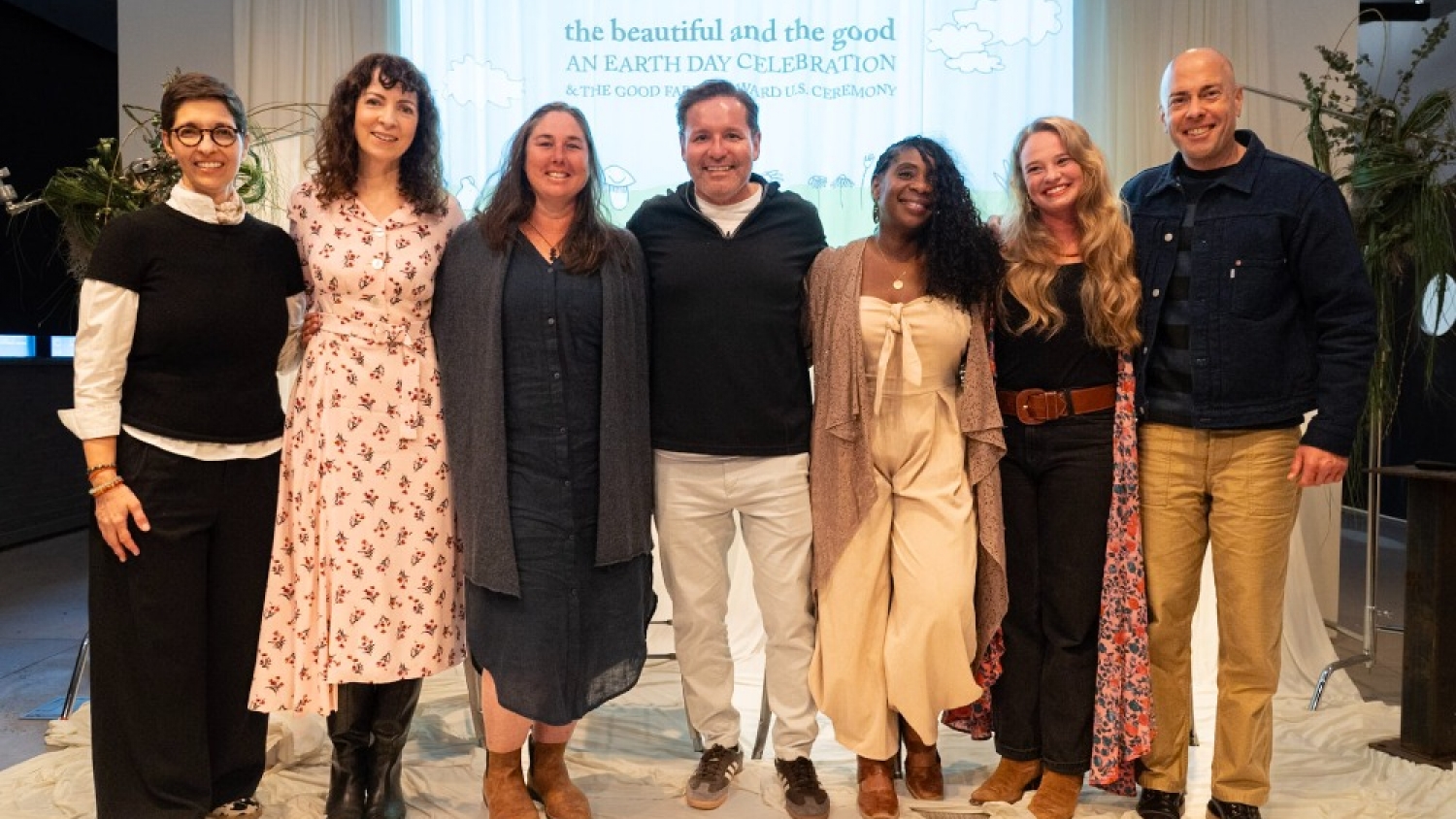
The project has also gained recognition. A $10,000 grant from the Rodale Institute and Davines Group through The Good Farmer Award program will support further development.
Jeff Tkach, CEO of the Rodale Institute, highlighted the broader impact: “In just one year, she has built a thriving 10-acre operation that is not only producing nutrient-dense food and restoring soil health, but also inspiring an entire community to reimagine what’s possible for local food security.”
For Kulchin, the farm is only part of a larger vision. She argues that true food system resilience requires more than a single operation, pointing to the need for improved access to land and water across the region.
“One farm is not a resilient food system,” she said, adding that her work increasingly focuses on rebuilding local agriculture networks.
Her advice to others entering regenerative farming reflects the project’s origins: start small and iterate. “If you wait to start something when it’s perfect, you’ll just never start,” she noted, reinforcing the importance of experimentation and gradual scaling.
Blue Heron Farm illustrates a key shift in agriculture: from centralized supply chains to localized, resilient food systems. In a region once almost entirely dependent on imports, a single initiative has begun to reshape how communities think about food production, sustainability, and self-reliance.