Regenerative agriculture continues to gain global attention as food companies, producers and environmental organizations search for more sustainable farming systems. However, one of the sector’s biggest challenges remains unresolved: how to create global standards that still work at the local farm level.
According to information published by AgFunderNews, the Sustainable Agriculture Initiative (SAI) Platform believes regenerative agriculture cannot scale efficiently without adapting frameworks to local conditions such as soil, climate, infrastructure and production systems.
The organization recently completed the pilot phase of its Regenerating Together program, an initiative created to help major food companies and farmers apply regenerative agriculture practices using a common structure that can also be customized regionally.
The program involves companies such as Nestlé, Wildfarmed, Louis Dreyfus Company and McCain, which are testing the framework across different crops and livestock systems worldwide.
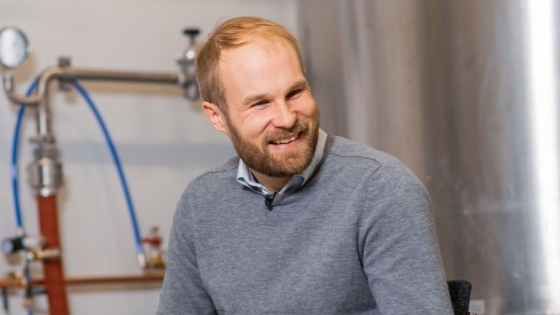
SAI director general Dionys Forster explained that the industry still struggles with inconsistent definitions of regenerative agriculture. “Every company has defined ‘regenerative agriculture’ slightly different, and claims may lack the credible data and verifiable proof points,” he said, according to AgFunderNews.
That lack of consistency has complicated efforts to measure environmental outcomes and create programs that work both globally and on individual farms.
The framework developed by SAI is based on four main stages designed to help producers adapt regenerative practices to their own realities.
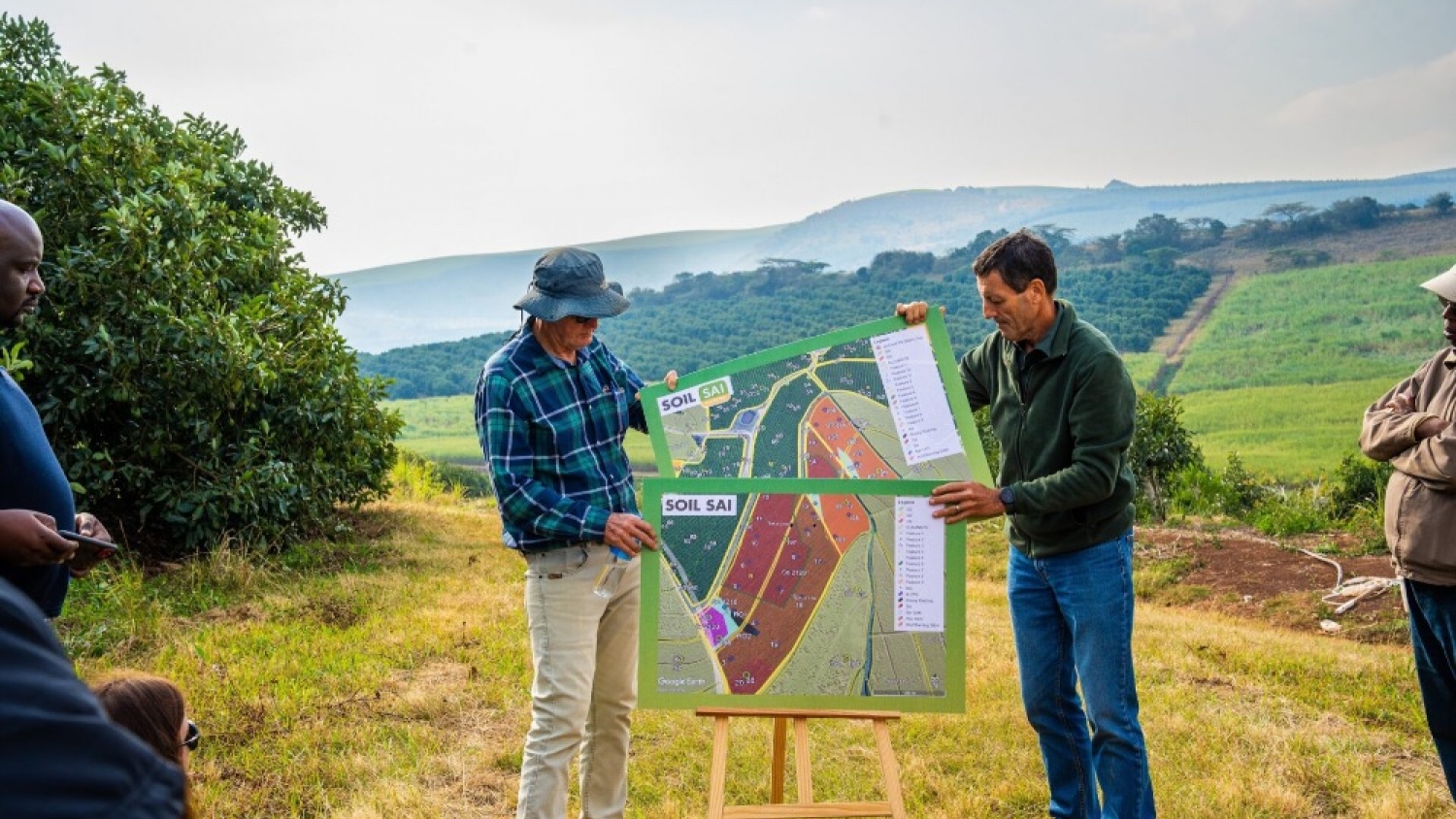
First, farms conduct a context analysis that evaluates soil conditions, environmental factors and production systems. Then, producers identify which outcomes they want to prioritize, including biodiversity improvements, carbon sequestration or better farm income.
The third step focuses on adopting the most suitable regenerative practices for those goals, while the final stage measures progress over time through monitoring and continuous improvement systems.
According to AgFunderNews, more than 35 pilot projects across 23 production systems have already tested the framework since 2023.
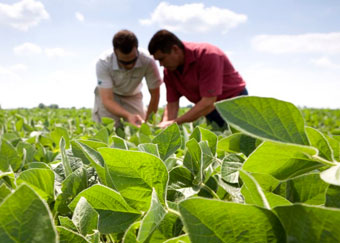
In Canada, Nestlé implemented the model on oat farms, while Wildfarmed tested it on wheat, barley and oats across 150 farms in the United Kingdom. Additional projects are also underway in countries such as India, Denmark and Argentina.
One of the strongest conclusions from the pilot phase was that local context determines whether regenerative agriculture practices succeed or fail.
Forster explained that agriculture is inherently dependent on regional realities. Practices that work efficiently in one country or climate may not deliver the same results elsewhere.
“This context analysis is a key component, because it allows us to apply the framework to different geographies and different production systems,” Forster said.
The organization argues that regenerative agriculture should not rely on rigid universal formulas. Instead, it needs flexible systems capable of adapting to each farm’s conditions while still maintaining credible measurement standards.
That balance has become increasingly important as large food companies expand sustainability commitments and seek ways to verify environmental claims.
According to SAI, another priority for the next phase of the program will be integrating more digital agriculture technologies, including remote sensing systems and measurement, reporting and verification tools known as MRV systems.
These technologies are expected to improve data collection and provide stronger evidence of regenerative agriculture outcomes.
The next expansion phase of Regenerating Together is scheduled to begin in June 2026 and will focus on scaling adoption while improving monitoring systems.
The broader debate around regenerative agriculture continues to grow globally as governments, investors and corporations increase pressure on agriculture to reduce environmental impacts while maintaining productivity.
SAI believes the future of regenerative agriculture will depend less on imposing identical standards worldwide and more on creating adaptable systems capable of responding to local farming realities without losing scientific credibility.
As the sector evolves, the challenge will be building frameworks that are both globally recognized and locally effective.